Ditapis dengan
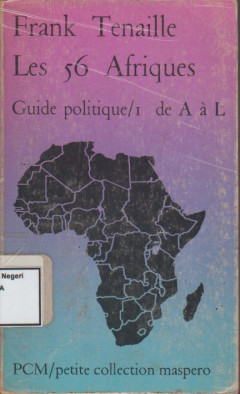
Les 56 Afriques: Guide politique, I. A à L
This book is a comprehensive political guide covering 56 African countries, specifically from A to L. Frank Tenaille's work provides an overview of the political conditions, government history, state structure, key figures, and social and economic dynamics of each country. Published in 1979 by François Maspero in Paris, this book is an essential reference for researchers, journalists, and read…
- Edisi
- -
- ISBN/ISSN
- 2-7071-1124-4
- Deskripsi Fisik
- 225 pages : illustrations ; 18 cm
- Judul Seri
- -
- No. Panggil
- 320.96 TEN l

Histoire de l’Afrique contemporaine : de la Deuxième Guerre mondiale à no…
Marianne Cornevin's "Histoire de l’Afrique contemporaine" examines the development of African history from World War II to the contemporary era. Drawing on the author's firsthand experiences in several African countries, the work highlights the political dynamics, decolonization processes, economic growth, and the phenomenon of neo-colonialism that have impacted modern African states. Present…
- Edisi
- -
- ISBN/ISSN
- 2-228-12329-X
- Deskripsi Fisik
- 447 pages : illustration ; 18 cm
- Judul Seri
- -
- No. Panggil
- 960.33 COR h
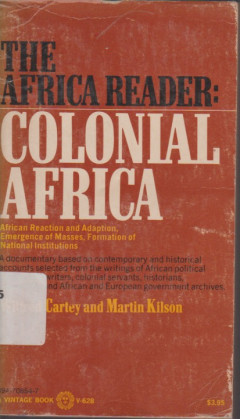
The Africa reader: Colonial Africa
The Africa Reader: Colonial Africa is a collection of important writings that examine the history of colonialism across Africa. Edited by Wilfred Cartey and Martin Kilson, this book contains articles, documents, speeches, and accounts of experiences from the colonial period, including the perspectives of African figures and colonial rulers. It describes the mechanisms of colonial rule, economic…
- Edisi
- -
- ISBN/ISSN
- -
- Deskripsi Fisik
- xvii, 264 pages : illustration ; 18 cm
- Judul Seri
- -
- No. Panggil
- 960.3 CAR a
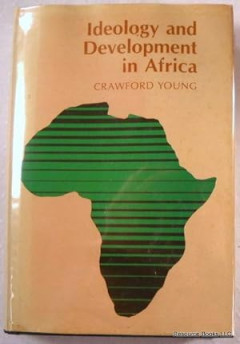
Ideology development in Africa
Crawford Young's Ideology and Development in Africa examines the relationship between political ideology and development processes in post-independence African countries. The book examines how various ideological strands—nationalism, African socialism, state capitalism, and single-party systems—influenced the economic and political policies of African countries. Young examines the successes…
- Edisi
- -
- ISBN/ISSN
- 0-300-03096-7
- Deskripsi Fisik
- xi, 376 pages; 21 cm
- Judul Seri
- -
- No. Panggil
- 960.32 YOU i
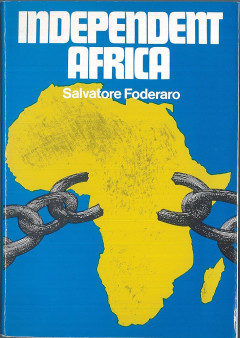
Independent Africa
Salvatore Foderaro's Independent Africa is an analytical study of political and legal developments in Africa after the wave of independence in the mid-20th century. Written by a law professor at the University of Rome, the book examines the transition of African countries from colonialism to national governance, including constitutional challenges, the formation of state institutions, political…
- Edisi
- cet.2
- ISBN/ISSN
- 0-901072-31-1
- Deskripsi Fisik
- 183 pages; 22 cm
- Judul Seri
- -
- No. Panggil
- 960.32 FOD i
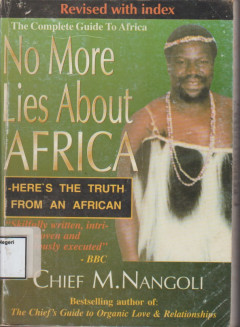
No more lies about Africa: Here is the truth from an African
This book is Chief Musamaali Nangoli's critical work, which attempts to address the many misunderstandings and misinformation about Africa that have persisted for years in the Western world. Through a rigorous approach based on firsthand experience as an African, the author reveals facts about Africa's history, culture, politics, and socio-economic conditions that are rarely presented honestly.…
- Edisi
- -
- ISBN/ISSN
- 0-940385-03-1
- Deskripsi Fisik
- xiv, 272 pages : illustration ; 20,5 cm
- Judul Seri
- -
- No. Panggil
- 960 NAN n

The Fate of Africa: From the hopes of freedom to the heart of despair — A H…
Martin Meredith's The Fate of Africa presents a comprehensive history of the fifty-year journey of African nations since gaining independence. The book depicts the early hopes of independence, the various political conflicts, economic challenges, civil wars, dictatorships, and the social dynamics that have shaped modern Africa. Using a journalistic approach and in-depth historical research, Mer…
- Edisi
- -
- ISBN/ISSN
- 1-58648-246-7
- Deskripsi Fisik
- vi, 752 pages : illustration ; 23,5 cm
- Judul Seri
- -
- No. Panggil
- 960.32 MER f
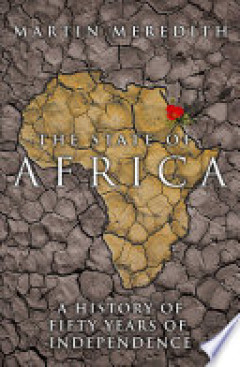
The State of Africa: A History of fifty years of independence
This book traces Africa's first fifty years after gaining independence from colonialism. Martin Meredith describes the political challenges, conflicts, leadership, economic development, and social dynamics in various African countries. With a strong historical approach and comprehensive narrative, this book is a key reference for understanding the conditions of modern Africa and its legacy of c…
- Edisi
- -
- ISBN/ISSN
- 0-7432-6842-3
- Deskripsi Fisik
- 752 pages; 24 cm
- Judul Seri
- -
- No. Panggil
- 960 MER s

Et demain l'Afrique
This book presents Edem Kodjo’s visionary analysis of Africa’s future within its political, economic, and social context. Kodjo outlines the major challenges facing the continent and offers strategic perspectives for advancing Africa in the modern era. It serves as an essential reference in the study of African geopolitics, development, and international relations.
- Edisi
- -
- ISBN/ISSN
- 2-234-01791-2
- Deskripsi Fisik
- 366 pages; 24 cm
- Judul Seri
- -
- No. Panggil
- 960 KOD e
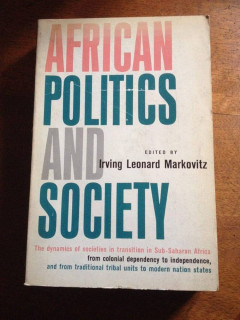
African politics and society
This book examines fundamental issues in African politics and society, including issues of government structure, development processes, social change, and the challenges facing postcolonial African states. Irving L. Markovitz analyzes the internal and external factors influencing African political dynamics and illustrates the complex relationships between the state, society, economy, and modern…
- Edisi
- -
- ISBN/ISSN
- -
- Deskripsi Fisik
- xvi, 485 pages ; 23,5 cm
- Judul Seri
- -
- No. Panggil
- 960 MAR a
 Karya Umum
  Filsafat
  Agama
Agama  Ilmu-ilmu Sosial
  Bahasa
  Ilmu-ilmu Murni
  Ilmu-ilmu Terapan
  Kesenian, Hiburan, dan Olahraga
  Kesusastraan
  Geografi dan Sejarah