Ditapis dengan
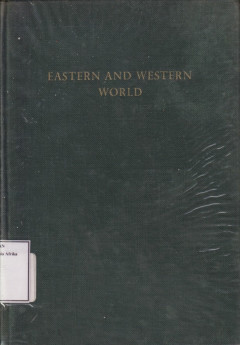
The Age of enlightenment: The Eighteenth century philosophers
This volume, part of the series “The Great Ages of Western Philosophy,” presents a comprehensive selection of key writings from eighteenth-century Enlightenment philosophers. Edited and introduced by Isaiah Berlin, the book provides interpretive commentary that illuminates the central ideas, historical context, and intellectual contributions of major thinkers of the Enlightenment. It explor…
- Edisi
- -
- ISBN/ISSN
- -
- Deskripsi Fisik
- 181 pages ; 23 cm
- Judul Seri
- -
- No. Panggil
- 192 BER a
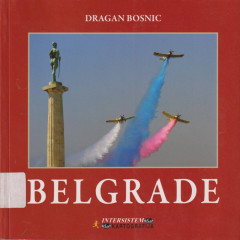
Belgrade
Dragan Bosnic's book, Belgrade, contains a series of photographs, descriptions, and historical information about the city of Belgrade, Serbia. Presented with artistic photography and concise narrative, the book showcases Belgrade's historical landmarks, culture, architecture, and modern life. Published by Intersistem Belgrade, the book is aimed at readers who want to explore Belgrade through vi…
- Edisi
- -
- ISBN/ISSN
- 978-86-7722-357-1
- Deskripsi Fisik
- 167 pages : illustration ; 22 cm
- Judul Seri
- -
- No. Panggil
- 914.9721 BOS b

Sejarah gelap Dinasti Tudor: Pembunuhan, perselingkuhan, perzinahan, tenung, …
Buku ini mengungkap sisi gelap Dinasti Tudor, salah satu periode paling dramatis dalam sejarah Inggris. Judith John menyoroti berbagai kejadian penuh kekerasan, intrik politik, pembunuhan, perselingkuhan, praktik tenung, perang, penganiayaan religius, hingga kasus perompakan yang terjadi pada masa pemerintahan keluarga Tudor. Melalui gaya penulisan populer, buku ini menghadirkan kisah-kisah tra…
- Edisi
- -
- ISBN/ISSN
- 978-602-02-5805-8
- Deskripsi Fisik
- 219 pages : illustration ; 28 cm
- Judul Seri
- -
- No. Panggil
- 942.05 JOH s
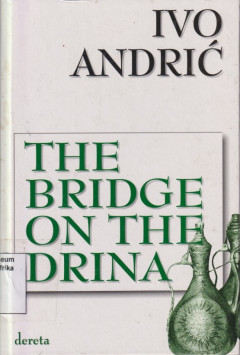
The Bridge on the Drina
This classic by Ivo Andrić depicts the history of the city of Višegrad in Bosnia and Herzegovina through the story of a magnificent bridge built during the Ottoman Empire. The narrative spans four centuries, showcasing the social, political, and cultural changes that shaped Balkan society. Blending history and fiction, the novel shows how the bridge bears silent witness to conflict, oppressio…
- Edisi
- -
- ISBN/ISSN
- 978-86-7346-803-6
- Deskripsi Fisik
- 473 pages : illustration ; 21 cm
- Judul Seri
- -
- No. Panggil
- 891.8513 AND b
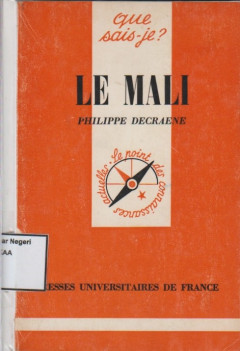
Le Mali
Le Mali by Philippe Decraene is a comprehensive introductory volume on the history, politics, and socio-cultural development of Mali. Published as part of the well-known French series Que sais-je?, the book provides an accessible yet scholarly overview of the country's evolution from pre-colonial times through independence and its early post-colonial trajectory. Decraene outlines Mali’s polit…
- Edisi
- -
- ISBN/ISSN
- 2-13-036432-2
- Deskripsi Fisik
- 127 pages ; 17,5 cm
- Judul Seri
- -
- No. Panggil
- 966.23 PHI l

The Pathans: 550 B.C.–A.D. 1957
This historical study by Olaf Caroe provides a comprehensive account of the Pathans (Pashtuns) from their earliest recorded origins in 550 B.C. to the mid-twentieth century. The book traces the political, cultural, and social development of the Pathan people, examining their tribal structure, migrations, and interactions with major empires, including the Persians, Mughals, and British. Caroe hi…
- Edisi
- -
- ISBN/ISSN
- 0-19-577221-0
- Deskripsi Fisik
- xxiv, 533 pages : illustrations ; 22,5 cm
- Judul Seri
- -
- No. Panggil
- 954.912 CAR p
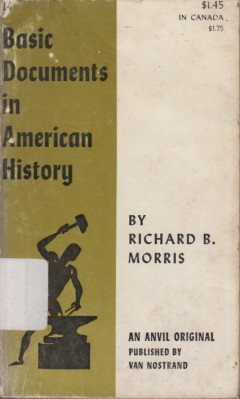
Basic documents in American history
“Basic Documents in American History” is a curated collection of foundational texts that shaped the political, social, and legal development of the United States. Compiled by historian Richard B. Morris, the book presents key documents—from colonial charters and revolutionary writings to early national policies—that illustrate the evolution of American governance and democratic ideals. …
- Edisi
- -
- ISBN/ISSN
- -
- Deskripsi Fisik
- 190 pages ; 18 cm
- Judul Seri
- -
- No. Panggil
- 973 MOR b

Great Britain: Foreign policy and the Span of Empire, 1689–1971
Volume III of Great Britain: Foreign Policy and the Span of Empire, 1689–1971 is a documentary series that presents primary sources on British foreign policy and the development of the British Empire over nearly three centuries. Compiled by Joel H. Wiener, this book brings together official documents, speeches, government reports, and contemporary writings that reflect the dynamics of interna…
- Edisi
- Volume 3
- ISBN/ISSN
- 0-07-079730-7
- Deskripsi Fisik
- 2727 pages ; 24 cm
- Judul Seri
- -
- No. Panggil
- 327.42 WIE g
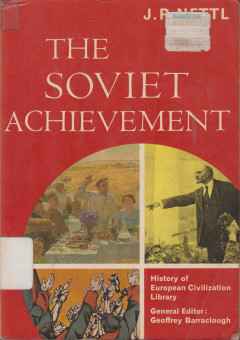
The Soviet achievement
The Soviet Achievement by J. P. Nettl is an illustrated historical and analytical survey of the development of the Soviet Union, highlighting its political, social, economic, and cultural evolution. Through 144 illustrations, including 19 in color, the book presents an accessible yet scholarly exploration of the USSR's rise, ideological foundations, institutional structures, and international i…
- Edisi
- -
- ISBN/ISSN
- -
- Deskripsi Fisik
- 288 pages : illustrations ; 21 cm
- Judul Seri
- -
- No. Panggil
- 947 NET s

Names on the land: A Historical account of place-naming in the United States
First published in 1945 and reissued as part of the New York Review Books Classics series, this work by George R. Stewart offers a comprehensive and engaging history of how places across the United States received their names. Blending linguistic analysis, folklore, and cultural history, the book explores Indigenous, colonial, regional, and modern naming traditions. Stewart traces the influence…
- Edisi
- -
- ISBN/ISSN
- 978-1-59017-273-5
- Deskripsi Fisik
- xx, 511 pages ; 20,5 cm
- Judul Seri
- -
- No. Panggil
- 917.3 STE n
 Karya Umum
  Filsafat
  Agama
Agama  Ilmu-ilmu Sosial
  Bahasa
  Ilmu-ilmu Murni
  Ilmu-ilmu Terapan
  Kesenian, Hiburan, dan Olahraga
  Kesusastraan
  Geografi dan Sejarah