Ditapis dengan

China's strategic competition with the United States
This book examines the transformation and the multifaceted nature of the relationship between US and China in the twenty-first century and argues that it is more competitive than co-operative, even in areas that are amenable to co-operation such as trade and nuclear non-proliferation
- Edisi
- -
- ISBN/ISSN
- 9780415725941
- Deskripsi Fisik
- x, 170 pages ; 24 cm
- Judul Seri
- -
- No. Panggil
- 327.73051 Ong c

In retrospect: The tragedy and lesson of Vietnam
Robert S. McNamara, secretary of defense for Presidents Kennedy and Johnson, helped lead America into Vietnam. McNamara believed that the fight against communism in Asia was worth the sacrifice of American lives, and yet he eventually came to believe that the war was, in fact, unwinnable. Outnumbered by those who wanted to continue fighting, he left the Johnson administration and his involvemen…
- Edisi
- -
- ISBN/ISSN
- 0679767495
- Deskripsi Fisik
- xviii, 414 pages : illustrations ; 25 cm
- Judul Seri
- -
- No. Panggil
- 959.7043373 Mcn i

The United States and Asia: Regional dynamics and twenty-first-century relations
Offers a cogent overview of the historical context and enduring patterns of U.S. relations with Asia ... Robert G. Sutter provides a balanced analysis of post-Cold War dynamics in Asia, which involve interrelated questions of security, economics, national identity, and regional institution building. He demonstrates how these critical concerns manifest a complex mix of realist, liberal, and cons…
- Edisi
- -
- ISBN/ISSN
- 9781442226333
- Deskripsi Fisik
- x, 327 pages ; 23 cm
- Judul Seri
- -
- No. Panggil
- 327.7305 Sut u
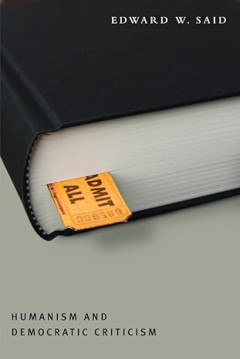
Humanism and democratic criticism
Ever since the ascendancy of critical theory and multicultural studies in the 1960s and 1970s, traditional humanistic education has been under assault. Often condemned as the intolerant voice of the masculine establishment and regularly associated with Eurocentrism and even imperialism, the once-sacred literary canon is now more likely to be ridiculed than revered. While this seismic shift--bro…
- Edisi
- -
- ISBN/ISSN
- 0-231-12264-0
- Deskripsi Fisik
- xvii, 154 pages ; 19 cm
- Judul Seri
- -
- No. Panggil
- 144 Sai h
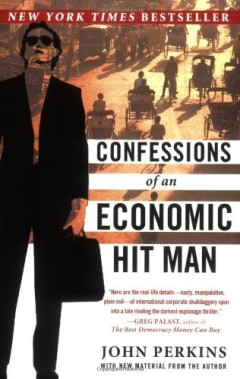
Confessions of an economic hit man
Confessions of an Economic Hit Man is the story of one man's experiences inside the intrigue, greed, corruption, and little-known government and corporate activities that America has been involved in since World War II, and which have dire consequences for the future of democracy and the world.
- Edisi
- -
- ISBN/ISSN
- 978-0-452-28708-2
- Deskripsi Fisik
- xxv, 303 pages ; 20 cm
- Judul Seri
- -
- No. Panggil
- 332.042092 Per c

The imperial mantle: The United States, decolonization, and the Third World
The Imperial Mantle traces the upheavals in the post-war era as the peoples of British, Dutch, Belgian, and Portuguese empires demanded and gained independence. As the most powerful leader of the free world, despite its anti-colonial heritage, the United States tended to inherit the imperial mantle in this period, becoming the focus of both expectations and demands from the new nations. How the…
- Edisi
- -
- ISBN/ISSN
- 0-253-33834-4
- Deskripsi Fisik
- x, 241 pages : bibl: hlm 225-231 : index ; 25 cm
- Judul Seri
- -
- No. Panggil
- 327.7301724 New i
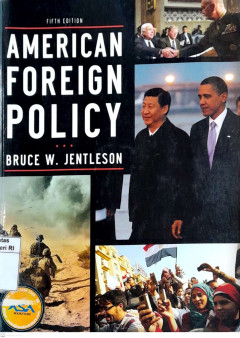
American foreign policy
When we went to bed on the night of September 10, 2001, the world was already going through a historic transition. The Cold War had ended, raising hopes for the future. War, though, had not ended, as the 1990s bore tragic witness in Bosnia, Rwanda, and all too many other places. New forces of globalization were sweeping the world, bringing their own combination of progress and problems. Democra…
- Edisi
- Ed.5
- ISBN/ISSN
- 978-0-393-91943-1
- Deskripsi Fisik
- xxiv,672 pages : index ; 25 cm
- Judul Seri
- -
- No. Panggil
- 327.73 Jen a

Does America need a foreign policy? Toward a diplomacy for the 21st century
An assessment of how the United States dominant position may be effectively reconciled with the urgent need, in the 21st century, to achieve a new world order. Kissinger examines America's present and future relations with Russia, China, Europe, the Middle East, and other areas in the world. He covers areas such as globilization, military intervention, free trade and the eroding of the planet's…
- Edisi
- Edition 1 Touchstone
- ISBN/ISSN
- 0-684-85567-4
- Deskripsi Fisik
- 350 pages : illustrations : index ; 24 cm
- Judul Seri
- -
- No. Panggil
- 327.73 Kis d
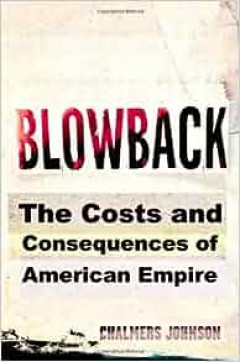
Blowback: The costs and consequences of American empire
Blowback, a term invented by the CIA, refers to the uninted consequences of American policies. In this sure-to-be-controversial book, Chalmers Johnson lays out in vivid detail the dangers faced by our overextended empire, which insists on projecting its military power to every corner of the earth and using American capital and markets to force global economic integration on its own terms. From …
- Edisi
- First Edition
- ISBN/ISSN
- 0-8050-6238-6
- Deskripsi Fisik
- xix, 268 pages : index ; 26 cm
- Judul Seri
- -
- No. Panggil
- 327.73 Joh b
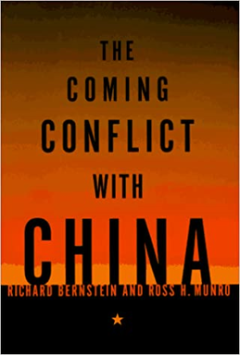
The coming conflict with China
Richard Bernstein and Ross Munro, former Beijing bureau chiefs with long experience in Asian affairs, present a clear-eyed and uncompromising look at the potentially disastrous collision course now taking shape in US-China relations
- Edisi
- First Edition
- ISBN/ISSN
- 0-679-45463-2
- Deskripsi Fisik
- xix, 245 pages : map : index ; 21 cm
- Judul Seri
- -
- No. Panggil
- 327.51073 Ber c
 Karya Umum
  Filsafat
  Agama
Agama  Ilmu-ilmu Sosial
  Bahasa
  Ilmu-ilmu Murni
  Ilmu-ilmu Terapan
  Kesenian, Hiburan, dan Olahraga
  Kesusastraan
  Geografi dan Sejarah