Ditapis dengan
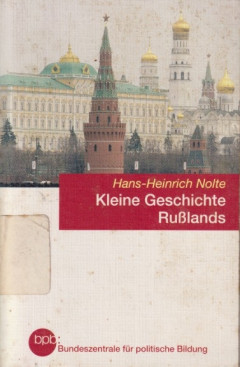
Kleine Geschichte Rublands
This book presents a comprehensive summary of Russian history from the early days of the country's formation to modern development. Hans-Heinrich Nolte explains the political, social, and cultural dynamics that shaped Russian identity across the centuries. With a concise but informative writing style, this book makes it easier for readers to understand the major changes that occurred in Russia,…
- Edisi
- -
- ISBN/ISSN
- 3-89331-651-5
- Deskripsi Fisik
- 544 pages : illustration ; 15 cm
- Judul Seri
- -
- No. Panggil
- 947 NOL k

Imperien: Die logik der weltherrschaft – vom alten rom bis zu den vereinigt…
This book discusses the concept and logic of empire as a form of world power from time to time. Herfried Münkler explains how empires—from the Roman Empire to the modern United States—ruled territory, influenced the global order, and maintained dominance through political, economic, and military mechanisms. With in-depth analysis, this book outlines recurring patterns in the history of gre…
- Edisi
- -
- ISBN/ISSN
- 3-89331-630-2
- Deskripsi Fisik
- 331 pages : illustration ; 19 cm
- Judul Seri
- -
- No. Panggil
- 909.097 MUN i

Scandinavia
This comprehensive work by Franklin D. Scott provides an in-depth overview of the history, culture, politics, and societal development of the Scandinavian region, including Sweden, Norway, Denmark, Iceland, and Finland. As a revised and enlarged edition, the book explores the evolution of Scandinavian societies from their early origins to the modern era, highlighting their contributions to Euro…
- Edisi
- -
- ISBN/ISSN
- 0-674-79000-6
- Deskripsi Fisik
- x, 330 pages : illustration ; 24 cm
- Judul Seri
- -
- No. Panggil
- 948 SCO s
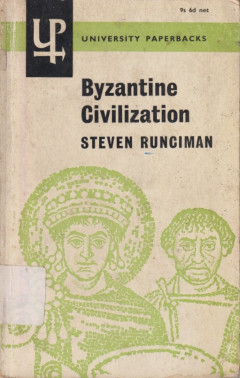
Byzantine civilisation
This classic work by Steven Runciman offers a concise yet comprehensive overview of the history, culture, society, religion, and political life of the Byzantine Empire. First published in 1933, the book explores the development of Byzantine civilisation from its Roman roots to its flourishing as a unique medieval culture. Runciman examines Byzantine art, literature, administration, daily life, …
- Edisi
- -
- ISBN/ISSN
- -
- Deskripsi Fisik
- 320 pages ; 20,5 cm
- Judul Seri
- -
- No. Panggil
- 949.5 RUN b

The Hapsburg monarchy 1867–1914
This work offers a comprehensive historical study of the Hapsburg Monarchy from the Austro-Hungarian Compromise of 1867 until the outbreak of World War I in 1914. Arthur J. May examines the political structures, national conflicts, social transformations, and economic developments that shaped the dual monarchy during its final decades. The book highlights the tensions among diverse ethnic group…
- Edisi
- -
- ISBN/ISSN
- -
- Deskripsi Fisik
- x, 532 pages ; 24 cm
- Judul Seri
- -
- No. Panggil
- 943.6 MAY h
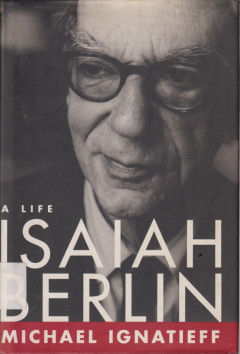
Isaiah Berlin: A Life
This work offers a comprehensive historical study of the Hapsburg Monarchy from the Austro-Hungarian Compromise of 1867 until the outbreak of World War I in 1914. Arthur J. May examines the political structures, national conflicts, social transformations, and economic developments that shaped the dual monarchy during its final decades. The book highlights the tensions among diverse ethnic group…
- Edisi
- -
- ISBN/ISSN
- 0-7011-6325-9
- Deskripsi Fisik
- 356 pages : illustration ; 24 cm
- Judul Seri
- -
- No. Panggil
- 943.6 IGN i
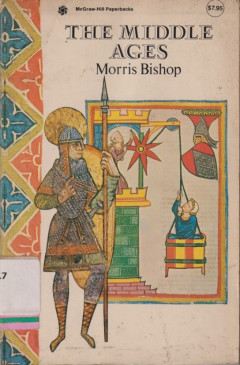
The Middle ages
This book by Morris Bishop provides an engaging and comprehensive overview of the Middle Ages in Europe. Written in a narrative style, it explores political events, social structures, cultural developments, daily life, and major figures that shaped medieval civilization. Bishop presents the era with vivid detail and clarity, offering both scholarly insights and accessible storytelling. The book…
- Edisi
- -
- ISBN/ISSN
- 07-005466-5
- Deskripsi Fisik
- 386 pages : illustration ; 21 cm
- Judul Seri
- -
- No. Panggil
- 940.1 BIS m

A History of Europe from 911 to 1198
This book by Z. N. Brooke provides a detailed account of European history from 911 to 1198, a formative period in the development of medieval Europe. It examines political, social, and religious transformations, including the rise of monarchies, the influence of the Church, the growth of feudal institutions, and the shaping of medieval society. The narrative offers insight into major events and…
- Edisi
- -
- ISBN/ISSN
- -
- Deskripsi Fisik
- xx, 553 pages : illustration ; 22 cm
- Judul Seri
- -
- No. Panggil
- 940.12 BRO h
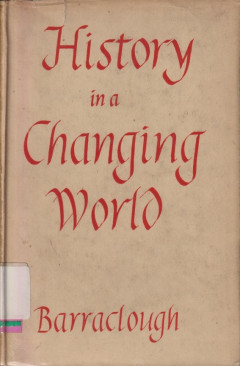
History in a changing world
This work by Geoffrey Barraclough explores the evolving nature of historical study in the modern world. Addressing changes in historical interpretation, methodology, and perspective, the book argues that history must adapt to shifting global conditions and new intellectual challenges. Barraclough discusses the historian’s role, the limitations of traditional approaches, and the need for broad…
- Edisi
- -
- ISBN/ISSN
- -
- Deskripsi Fisik
- viii, 246 pages ; 22 cm
- Judul Seri
- -
- No. Panggil
- 907.2 BAR h

The Western heritage
This textbook by Stewart C. Easton provides a broad survey of the development of Western civilization from its ancient origins to the modern era. The work examines major political, social, cultural, and intellectual movements that shaped Western history. Emphasizing continuity and change across centuries, the book offers an accessible narrative supported by illustrations and historical examples…
- Edisi
- -
- ISBN/ISSN
- -
- Deskripsi Fisik
- x, 916 pages : illustration ; 26 cm
- Judul Seri
- -
- No. Panggil
- 909.09821 EAS w
 Karya Umum
  Filsafat
  Agama
Agama  Ilmu-ilmu Sosial
  Bahasa
  Ilmu-ilmu Murni
  Ilmu-ilmu Terapan
  Kesenian, Hiburan, dan Olahraga
  Kesusastraan
  Geografi dan Sejarah