Ditapis dengan

A German generation: An Experiential history of the twentieth century
This book is an experiential history study of the German generation that lived throughout the 20th century, particularly during World War I, the Weimar Republic, the Nazi era, World War II, and the postwar period. Through narrative analysis and oral history interviews, Thomas A. Kohut reveals how identity, experience, and collective memory shaped how this generation understood themselves and th…
- Edisi
- -
- ISBN/ISSN
- 978-0-300-17003-0
- Deskripsi Fisik
- xi, 335 pages ; 24 cm
- Judul Seri
- -
- No. Panggil
- 943.087 KOH g
Hindenburg und die Sage von der Deutschen Republik
This book is a critical biography of Paul von Hindenburg, a military figure and President of Germany during the Weimar Republic era. Emil Ludwig describes Hindenburg's life journey, from his military career and his role in World War I to his involvement in post-war German politics. In addition, this book examines the myths and legends that developed around the Weimar Republic and describes the …
- Edisi
- -
- ISBN/ISSN
- -
- Deskripsi Fisik
- 378 pages ; 20,5 cm
- Judul Seri
- -
- No. Panggil
- 943.085092 LUD h
Dagboek van Joseph Goebbels
This book is a Dutch translation of the diary of Joseph Goebbels, Minister of Propaganda for Nazi Germany. The diary was compiled and introduced by Dr. Louis P. Lochner and translated and edited into Dutch by Mr. C. van Rij. Through Goebbels' daily notes, readers gain a direct insight into propaganda strategies, the internal political dynamics of the Nazis, Goebbels' relationship with Adolf Hit…
- Edisi
- -
- ISBN/ISSN
- -
- Deskripsi Fisik
- xii, 328 pages : illustration ; 21 cm
- Judul Seri
- -
- No. Panggil
- 943.086092 GOE d
Goebbels: The Man next to Hitler
This book is the personal account of Rudolf Semmler, one of Joseph Goebbels' closest associates, the Nazi German Minister of Propaganda. Through the author's personal experiences, this book describes Goebbels' personality, leadership style, propaganda strategies, and his relationship with Adolf Hitler and the inner circle of the Nazi Party. With an introduction by D. McLachlan and additional no…
- Edisi
- -
- ISBN/ISSN
- -
- Deskripsi Fisik
- 234 pages : illustration ; 18,5 cm
- Judul Seri
- -
- No. Panggil
- 943.086092 SEM g
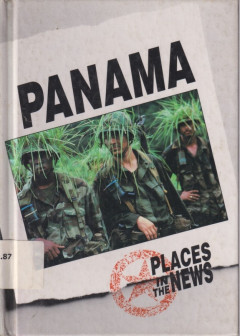
Panama
This book examines historical and recent events that have kept Panama in the news. It provides young readers with an accessible overview of Panama's history, the importance of the Panama Canal, and the relationship between Panama and the United States. Through photographs, narratives, and factual explanations, the book highlights key political and social developments that shaped Panama into the…
- Edisi
- 1
- ISBN/ISSN
- 0-89686-536-3
- Deskripsi Fisik
- 48 pages : illustration ; 22,5 cm
- Judul Seri
- -
- No. Panggil
- 972.87 STE P

The Third reich: Its Beginnings, its development, its end
This book outlines the complete history of the establishment of the Third Reich in Germany, from its inception and rise to power to its collapse in 1945. Hans Buchheim explains the political, social, and ideological factors that enabled the growth of the Nazi regime, including the internal dynamics of the government, propaganda, and the impact of Hitler's policies on the German people. Written …
- Edisi
- -
- ISBN/ISSN
- -
- Deskripsi Fisik
- 98 pages ; 19 cm
- Judul Seri
- -
- No. Panggil
- 943.086 BUC t
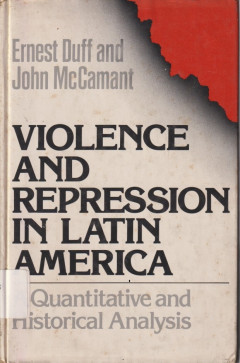
Violence and repression in Latin America
Violence and Repression in Latin America provides a comprehensive quantitative and historical analysis of political violence across Latin American nations. The authors examine patterns of state repression, insurgency movements, and social conflict, using comparative case studies to uncover structural and political factors that shape violence in the region. The book explores how authoritarian re…
- Edisi
- -
- ISBN/ISSN
- 0-02-907690-0
- Deskripsi Fisik
- xii, 322 pages ; 24 cm
- Judul Seri
- -
- No. Panggil
- 301.633 DUF v
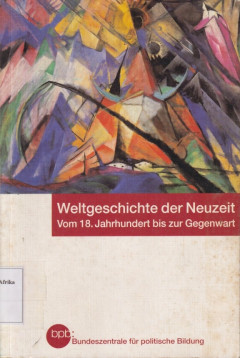
Weltgeschichte der neuzeit
This volume offers a comprehensive overview of modern world history, presenting key political, social, cultural, and economic developments from the early modern period to the present. Compiled by the editorial team of F. A. Brockhaus in collaboration with leading scholars, the book provides clear, concise explanations of major historical events, influential figures, and global transformations. …
- Edisi
- -
- ISBN/ISSN
- 3-89331-606-X
- Deskripsi Fisik
- 511 pages : illustration ; 22 cm
- Judul Seri
- -
- No. Panggil
- 909.08 DAL w
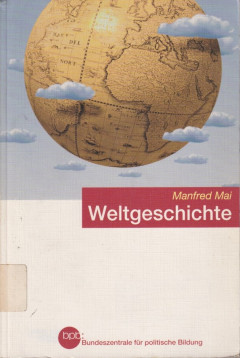
Weltgeschichte
This book, written by Manfred Mai, provides a concise and accessible overview of world history from ancient civilizations to the modern era. Aimed at general readers and students, it narrates key historical developments, major cultural shifts, political transformations, and significant events that shaped human civilization. With clear storytelling and chronological structure, the book offers an…
- Edisi
- -
- ISBN/ISSN
- 3-89331-507-1
- Deskripsi Fisik
- 205 pages : illustration ; 24 cm
- Judul Seri
- -
- No. Panggil
- 909 MAI w
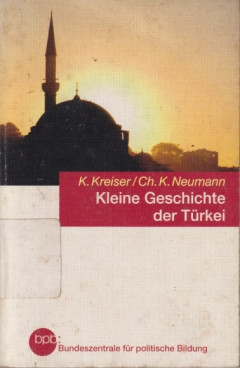
Kleine Geschichte der Turkei
This book provides a concise introduction to the history of Turkey, from the early days of Anatolia and the development of the Ottoman Empire to the birth of the modern Turkish Republic. Kreiser and Neumann explain the political, social, and cultural dynamics that shaped Turkey's development over the centuries. With a concise yet informative writing style, this book provides a comprehensive ove…
- Edisi
- -
- ISBN/ISSN
- 3-89331-654-X
- Deskripsi Fisik
- 518 pages ; 15 cm
- Judul Seri
- -
- No. Panggil
- 956.1 KRE k
 Karya Umum
  Filsafat
  Agama
Agama  Ilmu-ilmu Sosial
  Bahasa
  Ilmu-ilmu Murni
  Ilmu-ilmu Terapan
  Kesenian, Hiburan, dan Olahraga
  Kesusastraan
  Geografi dan Sejarah