Ditapis dengan
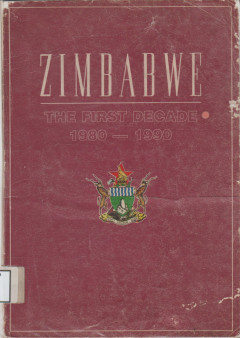
Zimbabwe: The First decade, 1980–1990
Zimbabwe: The First Decade, 1980–1990 provides a comprehensive overview of the political, social, and economic developments that shaped Zimbabwe in its first ten years after independence. Produced as an official national publication, the book documents major achievements, challenges, and transformations in governance, national unity, education, health, agriculture, infrastructure, and foreign…
- Edisi
- -
- ISBN/ISSN
- -
- Deskripsi Fisik
- 352 pages : illustration ; 29,5 cm
- Judul Seri
- -
- No. Panggil
- 968.9105 TIM z
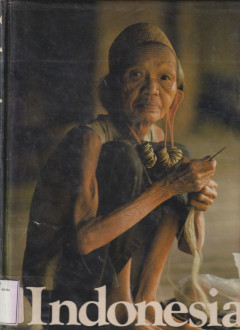
Indonesia: Manusia dan masyarakatnya
Buku Indonesia: Manusia dan Masyarakatnya adalah karya dokumenter visual yang memotret keberagaman manusia dan budaya Indonesia. Foto-foto utama diambil oleh Ian Charles Stewart, dengan tambahan karya fotografer lain seperti Gene Christy, Nora Suryanti, Virginia White, dan Edith Somerset. Naskah penyerta ditulis oleh Ian Charles Stewart dan Judith Shaw, lalu diterjemahkan ke dalam bahasa Indone…
- Edisi
- -
- ISBN/ISSN
- -
- Deskripsi Fisik
- 230 halaman : ilustrasi ; 32 cm
- Judul Seri
- -
- No. Panggil
- 959.8 STE i
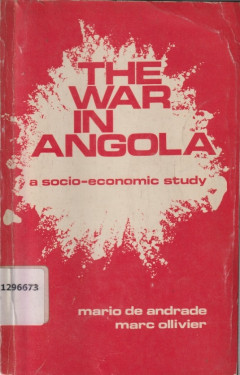
The War in Angola: A Socio-economic study
The War in Angola: A Socio-Economic Study provides an analytical overview of the armed struggle in Angola against Portuguese colonial rule, focusing on the period leading up to independence. Written by Mario de Andrade and Marc Ollivier, the book examines the root causes of the conflict, the development of liberation movements, and the socio-economic structure shaped by colonial exploitation. I…
- Edisi
- -
- ISBN/ISSN
- -
- Deskripsi Fisik
- x, 128 pages : illustration ; 21,5 cm
- Judul Seri
- -
- No. Panggil
- 968.8702 AND w
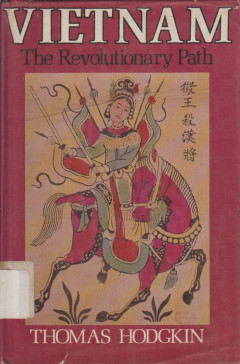
Vietnam: The Revolutionary path
This book presents an analytical study of the revolutionary development of Vietnam during the twentieth century. Thomas Hodgkin explores the historical processes that shaped Vietnam’s struggle against colonial domination and its pursuit of national liberation. Drawing on political writings, historical documents, and the ideology of key figures such as Ho Chi Minh, the author examines the moti…
- Edisi
- -
- ISBN/ISSN
- 0-333-28110-1
- Deskripsi Fisik
- x, 433 pages : illustration ; 24 cm
- Judul Seri
- -
- No. Panggil
- 959.704 HOD v

Security and defence: Pacific and global perspectives
This volume presents a comprehensive examination of security and defence issues in both the Pacific region and the wider global context. Edited by Desmond Ball and Cathy Downes, the book brings together leading scholars and practitioners to analyze regional strategic dynamics, defence policies, military capabilities, and evolving geopolitical challenges. It explores how political, economic, and…
- Edisi
- first edition
- ISBN/ISSN
- 0-04-442161-3
- Deskripsi Fisik
- xxv, 517 pages ; 23 cm
- Judul Seri
- -
- No. Panggil
- 327.1 DES s
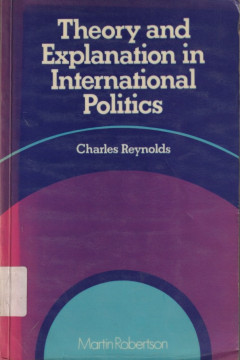
Theory and explanation in international politics
This book provides a comprehensive examination of theoretical approaches used to explain international politics. Charles Reynolds discusses the nature of political explanation, the development of theoretical frameworks in international relations, and the methodological issues surrounding the study of global political behavior. By analyzing major theories and their applications, the book offers …
- Edisi
- -
- ISBN/ISSN
- 0-85520-025-1
- Deskripsi Fisik
- viii, 367 pages ; 23,5 cm
- Judul Seri
- -
- No. Panggil
- 327.101 REY t

International politics: Anarchy and order in the world society
This classic work by Frederick L. Schuman examines the fundamental nature of international politics, focusing on the tension between anarchy and efforts to create order in the world system. The author analyzes the behavior of states, sources of conflict, the role of power, diplomacy, war, and emerging global institutions. Through historical and theoretical perspectives, the book provides a comp…
- Edisi
- -
- ISBN/ISSN
- -
- Deskripsi Fisik
- xx, 751 pages : illustration ; 21,5 cm
- Judul Seri
- -
- No. Panggil
- 327.1 SCH i
International politics
This third edition of Vernon Van Dyke’s International Politics provides a comprehensive introduction to the major concepts, issues, and analytical frameworks in the study of international relations. The book examines the nature of the international system, the behavior of states, the role of power, nationalism, international law, diplomacy, and the growing importance of international organiza…
- Edisi
- -
- ISBN/ISSN
- -
- Deskripsi Fisik
- xiii, 539 pages ; 24 cm
- Judul Seri
- -
- No. Panggil
- 327.11 DYK i

Conflict and intervention in the third world
This volume explores the nature, causes, and consequences of conflicts and external interventions in the Third World. Edited by Mohammed Ayoob, the book brings together scholarly analyses addressing political instability, power struggles, regional rivalries, and the role of major powers in influencing domestic and international dynamics of developing countries. It provides theoretical perspecti…
- Edisi
- -
- ISBN/ISSN
- 0-7069-1024-9
- Deskripsi Fisik
- xi, 261 pages ; 22 cm
- Judul Seri
- -
- No. Panggil
- 327.172 AYO c

Problems of war and peace: A Critical analysis of bourgeois theories
This work offers a Marxist–Leninist critique of bourgeois theories on war, peace, and international relations. It analyzes the ideological foundations of Western political thought, exposing how capitalist interests shape prevailing explanations of armed conflict and global security. Through a systematic theoretical examination, the authors contrast bourgeois interpretations with the scientifi…
- Edisi
- -
- ISBN/ISSN
- -
- Deskripsi Fisik
- 389 pages ; 20,5 cm
- Judul Seri
- -
- No. Panggil
- 327.16 COL p
 Karya Umum
  Filsafat
  Agama
Agama  Ilmu-ilmu Sosial
  Bahasa
  Ilmu-ilmu Murni
  Ilmu-ilmu Terapan
  Kesenian, Hiburan, dan Olahraga
  Kesusastraan
  Geografi dan Sejarah