Ditapis dengan
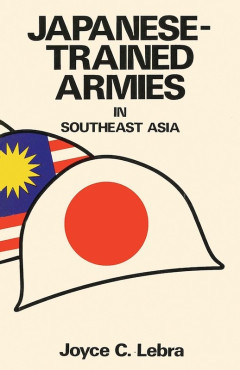
Japanese-trained Armies in Southeast Asia
At the time, the Japanese did not see that their military imprinting would affect a whole generation of political/ Imilitary leadership of nations of post-Second World War Southeast Asia. Leaders like Suharto, Ne Win and Park are all products of Japanese military training.
- Edisi
- -
- ISBN/ISSN
- 9789814279444
- Deskripsi Fisik
- ix, 226 pages : ilustrations (black and white) ; 22 cm
- Judul Seri
- -
- No. Panggil
- 355.309 LEB j

Soekarno Tabeh
Buku Peringatan 100 Tahun Prof. Mr. Sunario: Semangat Kebangsaan dan Politik Luar Negeri Indonesia disusun untuk mengenang seratus tahun kelahiran Prof. Mr. Sunario, Menteri Luar Negeri Republik Indonesia dan tokoh perintis kemerdekaan. Buku ini memuat beragam tulisan mengenai kontribusi Sunario dalam membentuk arah diplomasi Indonesia pada masa awal kemerdekaan, pandangan-pandangannya tentang …
- Edisi
- -
- ISBN/ISSN
- -
- Deskripsi Fisik
- 189 pages: illustrations ; 21 cm
- Judul Seri
- -
- No. Panggil
- 327.598 VEE s

Semangat kebangsaan dan politik luar negeri Indonesia: Mengenang 100 tahun Pr…
Buku “Semangat Kebangsaan dan Politik Luar Negeri Indonesia” diterbitkan sebagai bagian dari peringatan 100 tahun Prof. Mr. Sunario, salah satu tokoh penting dalam sejarah diplomasi dan politik luar negeri Indonesia. Buku ini memuat refleksi mengenai sikap kenegarawanan, nasionalisme, serta kontribusi Sunario sebagai Menteri Luar Negeri dan perintis kemerdekaan. Selain mengenang perjalanan …
- Edisi
- -
- ISBN/ISSN
- 979-665-193-9
- Deskripsi Fisik
- xxvi, 774 pages : illustrations ; 24 cm
- Judul Seri
- -
- No. Panggil
- 959.803 HAR s

Les Villes impériales du Maroc: Fès, marrakech, meknès, rabat-salé
Les Villes Imperiales du Maroc offers an in-depth look at four of Morocco's major historic cities: Fès, Marrakech, Meknès, and the twinned Rabat-Salé region. Through text by Samuel Pickens and photographic documentation by Philippe Saharoff, the book explores the cultural heritage, architecture, and historical developments that shaped the identities of these imperial cities. Richly illustrat…
- Edisi
- -
- ISBN/ISSN
- -
- Deskripsi Fisik
- 239 pages : illustration ; 28,5 cm
- Judul Seri
- -
- No. Panggil
- 964.5 PIC l
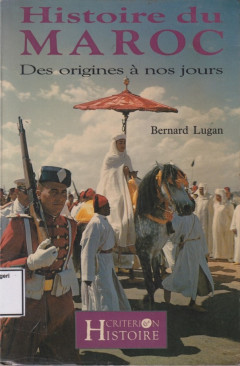
Histoire du maroc
This book presents a comprehensive history of Morocco from ancient times to the modern period. Bernard Lugan, a North African historian, outlines Morocco's political, social, economic, and cultural evolution, including the influence of Berber tribes, the heyday of Islamic dynasties, Morocco's relations with Europe, the French and Spanish colonial eras, and the path to independence. Using a hist…
- Edisi
- -
- ISBN/ISSN
- -
- Deskripsi Fisik
- 390 pages : illustration ; 23,5 cm
- Judul Seri
- -
- No. Panggil
- 964.5 LUG h
Morocco and other African nations
This book is a collection of documents on Morocco and various other African countries, compiled as part of the "Documents on Muslim States" series. Edited by Shiv Lal, this book presents a compilation of reports, political data, diplomatic notes, and government documents related to political developments in the African region, particularly countries with Muslim populations and governments. The …
- Edisi
- -
- ISBN/ISSN
- -
- Deskripsi Fisik
- 23 cm
- Judul Seri
- -
- No. Panggil
- 964 LAL m

Le Maroc à i’heure de i’Indépendance : Tome I, 1955–1957
This book is the official documentation of Morocco's struggle and transition to independence from 1955 to 1957. Written by King Mohammed V and translated from Arabic, this work contains speeches, political statements, early state policies, and reflections by Moroccan leaders on the critical period leading up to and following the proclamation of independence. This book provides a comprehensive o…
- Edisi
- -
- ISBN/ISSN
- -
- Deskripsi Fisik
- 333 pages : illustration ; 21,5 cm
- Judul Seri
- -
- No. Panggil
- 964.5 MOH l

The Maghreb in the modern world: Algeria, Tunisia, Morocco
This book is an in-depth study of the political, economic, and social dynamics of the Maghreb region, encompassing Algeria, Tunisia, and Morocco, in the modern era. Samir Amin, a leading economist and thinker, analyzes the legacies of colonialism, the process of state-building, economic challenges, and the social and political movements that shaped the Maghreb's regional identity. Using a polit…
- Edisi
- First published
- ISBN/ISSN
- 0140211182
- Deskripsi Fisik
- 256 pages ; 18 cm
- Judul Seri
- -
- No. Panggil
- 960.4 AMI m

Jejak Diplomasi: Sejarah gedung KBRI Seoul dan Hubungan Bilateral Indonesia-K…
Jejak Diplomasi: Sejarah Gedung KBRI Seoul dan Hubungan Bilateral Indonesia–Korea Selatan Era 1960–1980-an adalah buku yang akan diterbitkan oleh Kementerian Luar Negeri RI melalui KBRI Seoul yang mengajak pembaca menelusuri fase awal hubungan dua bangsa di tengah dinamika besar Asia Timur. Buku ini mengungkap bahwa interaksi antara Indonesia dan Korea Selatan telah dimulai jauh sebelum pen…
- Edisi
- -
- ISBN/ISSN
- -
- Deskripsi Fisik
- Digital file
- Judul Seri
- -
- No. Panggil
- -

Gila Gus Dur : Wacana pembaca Abdurrahman Wahid
Kumpulan tulisan, opini, kritik, dan apresiasi dari berbagai kalangan mengenai Abdurrahman Wahid (Gus Dur), seorang tokoh demokrasi, pemikir Islam progresif, dan Presiden ke-4 Republik Indonesia. Buku ini memotret berbagai persepsi publik terhadap Gus Dur, mulai dari pandangan humoris hingga kritik serius tentang gaya kepemimpinan, pemikiran sosial-keagamaan, serta kiprahnya dalam demokratisasi…
- Edisi
- cet.1
- ISBN/ISSN
- 979-8966-71-6
- Deskripsi Fisik
- xviii, 212 halaman ; 21 cm
- Judul Seri
- -
- No. Panggil
- 923.1 SUA g
 Karya Umum
  Filsafat
  Agama
Agama  Ilmu-ilmu Sosial
  Bahasa
  Ilmu-ilmu Murni
  Ilmu-ilmu Terapan
  Kesenian, Hiburan, dan Olahraga
  Kesusastraan
  Geografi dan Sejarah