Ditapis dengan

Southeast Asia and the world of tomorrow
“This publication discusses the political, economic, and strategic challenges facing Southeast Asia and explores possible future developments for the region. Produced by the Centre for Strategic and International Studies (CSIS) Jakarta, the work outlines regional dynamics, international alignments, and prospects for Southeast Asia’s role in global affairs. It reflects early scholarly assess…
- Edisi
- -
- ISBN/ISSN
- -
- Deskripsi Fisik
- xi, 406 pages ; 21,5 cm
- Judul Seri
- -
- No. Panggil
- 327.59 CEN s
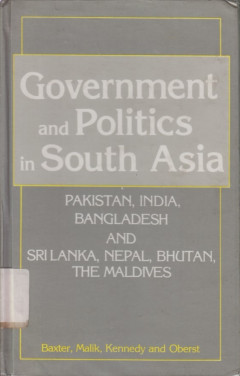
Government and politics in South Asia
Government and Politics in South Asia provides a comprehensive examination of the political systems, institutions, and governing structures of countries in South Asia, including India, Pakistan, Bangladesh, Sri Lanka, and Nepal. Written by leading scholars, the book analyzes historical developments, constitutional frameworks, political parties, military influence, regional tensions, and pattern…
- Edisi
- -
- ISBN/ISSN
- -
- Deskripsi Fisik
- xv, 415 pages : illustrations ; 22,5 cm
- Judul Seri
- -
- No. Panggil
- 320.954 BAX g

Congratulatory messages on the occasion of the commemoration of the fortieth …
This volume compiles congratulatory messages delivered on the occasion of the fortieth anniversary of the 1955 Asian-African Conference. Published by the Department of Foreign Affairs of the Republic of Indonesia in cooperation with Gramedia Widiasarana Indonesia, the book highlights reflections, tributes, and diplomatic statements from leaders and representatives of various nations. The collec…
- Edisi
- -
- ISBN/ISSN
- 979-553-853-5
- Deskripsi Fisik
- v, 195 pages ; 29 cm
- Judul Seri
- -
- No. Panggil
- 327.170.6 DEP c

Richer by Asia
Richer by Asia presents Edmond Taylor’s insightful reflections on the political, cultural, and social transformations shaping Asia in the mid-twentieth century. Written for the Time Reading Program, the book analyzes major historical events, shifting power dynamics, and the rise of new Asian identities after World War II. Through vivid reportage and historical interpretation, Taylor illustrat…
- Edisi
- -
- ISBN/ISSN
- -
- Deskripsi Fisik
- xxiv, 446 pages : illustrations ; 20,5 cm
- Judul Seri
- -
- No. Panggil
- 950.04 TAY r
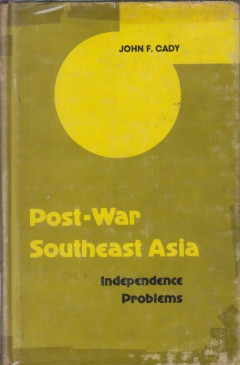
The History of post-war Southeast Asia
The History of Post-War Southeast Asia offers a comprehensive analysis of the political, social, and economic developments that shaped Southeast Asia after World War II. John F. Cady examines the region's transition from colonial rule to independence, the rise of nationalist movements, Cold War influences, and the formation of modern state identities. The book provides detailed country-by-count…
- Edisi
- -
- ISBN/ISSN
- 8214-0175-0
- Deskripsi Fisik
- xxii, 720 pages : illustrations ; 22,5 cm
- Judul Seri
- -
- No. Panggil
- 959.05 CAD h

Indonesia in ASEAN: Foreign policy and regionalism
The study analyses the reasons for Indonesia's membership in the regional organization, and che extent to which ASEAN has fulfilled Indonesia's expectations. It looks into the main areas of ASEAN cooperation that gain the most support from Indonesia as well as those that receive scant attention from Jakarta.
- Edisi
- -
- ISBN/ISSN
- 981-3016-77-9
- Deskripsi Fisik
- xiii, 334 pages : bibl: hlm 320-334 ; 24 cm
- Judul Seri
- -
- No. Panggil
- 327.598059 ANW i

Milestones on my journey (1953–1957): The Memoirs of Ali Sastroamidjojo, In…
This book presents the autobiographical account of Ali Sastroamidjojo, one of Indonesia’s most influential political leaders and a key architect of the 1955 Asian-African Conference. Covering the years 1953 to 1957, the memoir highlights his experiences as Prime Minister of Indonesia, his political struggles, diplomatic missions, and his role in shaping Indonesia’s foreign policy during a f…
- Edisi
- -
- ISBN/ISSN
- 978-602-99065-0-9
- Deskripsi Fisik
- xii, 150 pages : illustrations ; 20 cm
- Judul Seri
- -
- No. Panggil
- 923.2598 SAS m
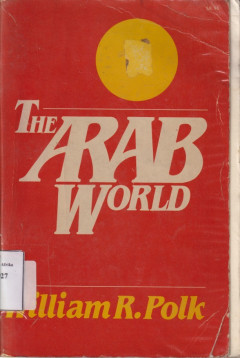
The Arab world
The Arab World by William R. Polk provides a comprehensive overview of the history, politics, and cultural foundations of the Arab region. This fourth edition expands earlier work published under the title The United States and the Arab World. Polk examines the political evolution of Arab countries, their relations with major world powers—especially the United States—and the internal and ex…
- Edisi
- -
- ISBN/ISSN
- 0-674-04317-0
- Deskripsi Fisik
- xxix, 456 pages : illustration ; 23,5 cm
- Judul Seri
- -
- No. Panggil
- 327.73017 POL a
Major governments of Asia
This book provides a comprehensive examination of the political systems and governmental structures of major Asian countries. Written by leading scholars, it analyzes the historical development, political institutions, leadership patterns, and policy dynamics within nations across East, South, and Southeast Asia. The volume offers comparative insights into how different Asian governments evolve…
- Edisi
- -
- ISBN/ISSN
- -
- Deskripsi Fisik
- xiii, 719 pages : illustrations ; 24 cm
- Judul Seri
- -
- No. Panggil
- 320.95 HIN m
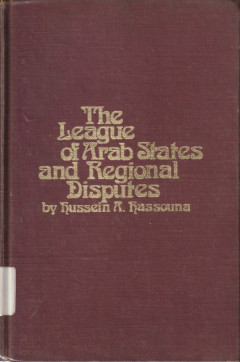
The League of Arab States and regional disputes
This book examines the role of the League of Arab States in managing and responding to regional disputes within the Arab world. Hussein A. Hassouna analyzes the League’s legal foundations, institutional structure, and political functions, highlighting its efforts to address inter-Arab conflicts and promote regional stability. The study evaluates the effectiveness of the League’s dispute-set…
- Edisi
- -
- ISBN/ISSN
- 0-379-00290-4
- Deskripsi Fisik
- xxi, 512 pages ; 24 cm
- Judul Seri
- -
- No. Panggil
- 341.2477 HAS l
 Karya Umum
  Filsafat
  Agama
Agama  Ilmu-ilmu Sosial
  Bahasa
  Ilmu-ilmu Murni
  Ilmu-ilmu Terapan
  Kesenian, Hiburan, dan Olahraga
  Kesusastraan
  Geografi dan Sejarah