Ditapis dengan
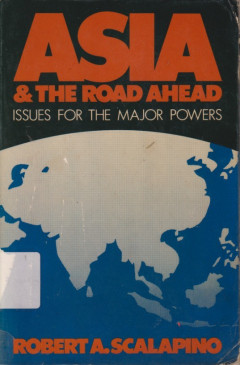
Asia and the road ahead: Issues for the major powers
This book presents an in-depth analysis of Asia’s evolving strategic landscape and the key issues shaping the region’s political future. Robert A. Scalapino examines the roles and interactions of major world powers—including the United States, China, Japan, and the Soviet Union—in influencing Asia’s political direction. The work highlights geopolitical tensions, security challenges, i…
- Edisi
- -
- ISBN/ISSN
- 0-520-03173-3
- Deskripsi Fisik
- x, 337 pages : illustration ; 21 cm
- Judul Seri
- -
- No. Panggil
- 327.5 SCA a
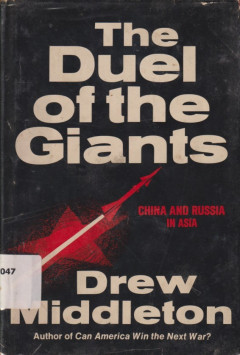
The Duel of the giants: China and Russia in Asia
This book provides an in-depth analysis of the geopolitical rivalry between China and Russia in Asia during the Cold War. Drew Middleton explores the historical roots of tensions, diplomatic conflicts, military strategies, and political motivations that shaped bilateral relations between the two major powers. The work examines how their competition influenced regional stability, foreign policy …
- Edisi
- -
- ISBN/ISSN
- 0-684-15785-3
- Deskripsi Fisik
- viii, 241 pages ; 21,5 cm
- Judul Seri
- -
- No. Panggil
- 327.51047 MID d

White paper on the nationalisation of the Suez Maritime Canal company
This official White Paper, published by the Government of Egypt in August 1956, outlines the legal, political, and economic grounds for the nationalisation of the Suez Maritime Canal Company. Issued by the Ministry for Foreign Affairs, the document presents Egypt’s justification for reclaiming sovereignty over the Canal, the historical background of foreign control, and the government’s pos…
- Edisi
- -
- ISBN/ISSN
- -
- Deskripsi Fisik
- 72 pages ; 24 cm
- Judul Seri
- -
- No. Panggil
- 956.043 REP w
Arab attitudes to Israel
“Arab Attitudes to Israel” provides a comprehensive analytical study of how the Arab world has perceived and responded to the establishment and development of the State of Israel. Yehoshafat Harkabi examines political, ideological, religious, and strategic factors shaping Arab policies, public discourse, and regional dynamics. Through extensive documentation, the book traces the evolution o…
- Edisi
- -
- ISBN/ISSN
- 0-853-03157-6
- Deskripsi Fisik
- xxiii, 527 pages ; 23 cm
- Judul Seri
- -
- No. Panggil
- 327.5694 HAR a

Strategies of Survival: The foreign policy dilemmas of smaller Asian States
Strategies of Survival examines how smaller Asian states navigate the complex realities of international politics amid pressure from major powers. Morrison and Suhrke analyze the diplomatic challenges, security concerns, and strategic responses adopted by Southeast Asian nations during the Cold War era. The book highlights patterns of alignment, balancing, and foreign policy adaptation as these…
- Edisi
- -
- ISBN/ISSN
- 0-7022-1117-6
- Deskripsi Fisik
- x, 346 pages ; 22,5 cm
- Judul Seri
- -
- No. Panggil
- 327.59 SUH s

Southeast Asia and the world of tomorrow
“This publication discusses the political, economic, and strategic challenges facing Southeast Asia and explores possible future developments for the region. Produced by the Centre for Strategic and International Studies (CSIS) Jakarta, the work outlines regional dynamics, international alignments, and prospects for Southeast Asia’s role in global affairs. It reflects early scholarly assess…
- Edisi
- -
- ISBN/ISSN
- -
- Deskripsi Fisik
- xi, 406 pages ; 21,5 cm
- Judul Seri
- -
- No. Panggil
- 327.59 CEN s

Southeast Asia: Problems of United States policy
This book examines the major issues faced by the United States in formulating its policy toward Southeast Asia during the early Cold War period. Edited by William Henderson, it analyzes political, economic, and security considerations that shaped American involvement in the region. Through contributions by subject-matter experts, the volume explores regional dynamics, nationalist movements, the…
- Edisi
- -
- ISBN/ISSN
- -
- Deskripsi Fisik
- xiv, 273 pages ; 21 cm
- Judul Seri
- -
- No. Panggil
- 327.59 HEN s

The Role of middle powers in the Pacific: Indonesia–Canada relations toward…
This book presents a collection of papers from the First Indonesia–Canada Conference, held in Sanur, Bali, in February 1985. It explores the evolving roles of middle powers in the Pacific region, focusing particularly on Indonesia–Canada relations and their strategic outlook towards the year 2000. The discussions address political cooperation, economic engagement, regional security, and the…
- Edisi
- -
- ISBN/ISSN
- 979-8026-00-4
- Deskripsi Fisik
- vi, 193 pages ; 21,5 cm
- Judul Seri
- -
- No. Panggil
- 327.598 CEN r
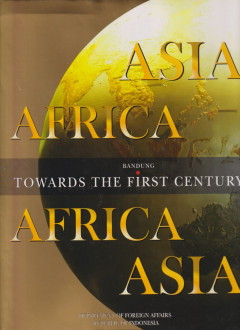
Asia Africa: Bandung towards the first century
This commemorative volume presents a collection of essays, reflections, and policy perspectives on the enduring legacy of the 1955 Bandung Asian-African Conference. Edited under the coordination of Joop Avé and published by the Department of Foreign Affairs of the Republic of Indonesia, the book explores the historical significance of Asia–Africa cooperation and its relevance in the twenty-f…
- Edisi
- -
- ISBN/ISSN
- -
- Deskripsi Fisik
- 225 pages : illustrations ; 31 cm
- Judul Seri
- -
- No. Panggil
- 327.172 AVE a

Indonesia in ASEAN: Foreign policy and regionalism
The study analyses the reasons for Indonesia's membership in the regional organization, and che extent to which ASEAN has fulfilled Indonesia's expectations. It looks into the main areas of ASEAN cooperation that gain the most support from Indonesia as well as those that receive scant attention from Jakarta.
- Edisi
- -
- ISBN/ISSN
- 981-3016-77-9
- Deskripsi Fisik
- xiii, 334 pages : bibl: hlm 320-334 ; 24 cm
- Judul Seri
- -
- No. Panggil
- 327.598059 ANW i
 Karya Umum
  Filsafat
  Agama
Agama  Ilmu-ilmu Sosial
  Bahasa
  Ilmu-ilmu Murni
  Ilmu-ilmu Terapan
  Kesenian, Hiburan, dan Olahraga
  Kesusastraan
  Geografi dan Sejarah