Ditapis dengan

Southeast Asia’s second front: The Power struggle in the Malay archipelago
This book analyzes the geopolitical tensions and power struggles that shaped Southeast Asia during the mid-twentieth century, particularly within the Malay Archipelago. Arnold C. Brackman examines regional rivalries, Cold War influences, Communist movements, and the strategic importance of Indonesia, Malaysia, and surrounding territories. Through political analysis and historical context, the a…
- Edisi
- -
- ISBN/ISSN
- -
- Deskripsi Fisik
- xv, 341 pages : illustrations ; 21,5 cm
- Judul Seri
- -
- No. Panggil
- 959.05 BRA s

Black Power
Black Power is Richard Wright’s powerful travel narrative documenting his journey through the Gold Coast (now Ghana) during the rise of African nationalism. Through firsthand observation, Wright explores colonial structures, racial politics, cultural identity, and the struggles of African people toward independence. Blending reportage, political analysis, and personal reflection, the book pro…
- Edisi
- -
- ISBN/ISSN
- 978-0-06-145018-6
- Deskripsi Fisik
- xiii, 812 pages : illustrations ; 20 cm
- Judul Seri
- -
- No. Panggil
- 303.484096 WRI b
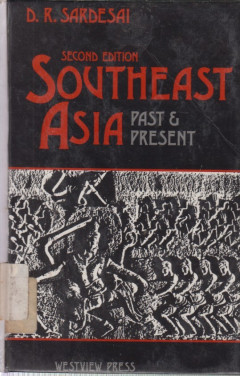
Southeast Asia: Past and present
This book provides a comprehensive overview of the historical evolution of Southeast Asia, tracing its political, social, and cultural development from early history to the modern era. D.R. Sardesai examines major regional civilizations, colonial encounters, and the transformation of Southeast Asia into independent nation-states. The work highlights key historical themes such as cultural divers…
- Edisi
- -
- ISBN/ISSN
- 0-7069-1291-8
- Deskripsi Fisik
- x, 485 pages : illustrations ; 21,5 cm
- Judul Seri
- -
- No. Panggil
- 959 SAR s
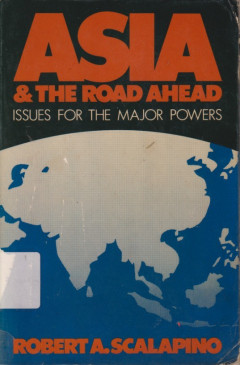
Asia and the road ahead: Issues for the major powers
This book presents an in-depth analysis of Asia’s evolving strategic landscape and the key issues shaping the region’s political future. Robert A. Scalapino examines the roles and interactions of major world powers—including the United States, China, Japan, and the Soviet Union—in influencing Asia’s political direction. The work highlights geopolitical tensions, security challenges, i…
- Edisi
- -
- ISBN/ISSN
- 0-520-03173-3
- Deskripsi Fisik
- x, 337 pages : illustration ; 21 cm
- Judul Seri
- -
- No. Panggil
- 327.5 SCA a
The Elusive peace: The Middle East in the twentieth century
This book provides a comprehensive analysis of political developments and conflicts in the Middle East throughout the twentieth century. William R. Polk examines the historical roots of Arab–Jewish tensions, the geopolitical interests of regional and global powers, and the recurring obstacles to achieving lasting peace. Through detailed historical narratives and policy insights, the author hi…
- Edisi
- -
- ISBN/ISSN
- 0-312-24383-9
- Deskripsi Fisik
- 201 pages ; 22 cm
- Judul Seri
- -
- No. Panggil
- 327.5694 POL e
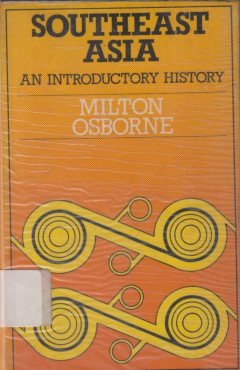
Southeast Asia: An Introductory history
This book provides an introductory survey of the history of Southeast Asia from the early eighteenth century to the late 1970s. Milton Osborne offers a clear and accessible overview of political, social, cultural, and economic developments across the region, highlighting both shared historical patterns and distinctive national trajectories. The work explains key transformations, colonial encoun…
- Edisi
- -
- ISBN/ISSN
- -
- Deskripsi Fisik
- 205 pages : illustrations ; 21,5 cm
- Judul Seri
- -
- No. Panggil
- 959 OSB s
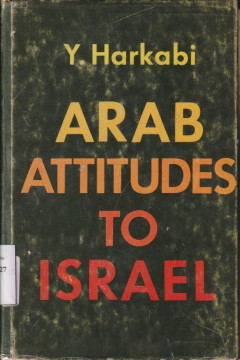
Arab attitudes to Israel
“Arab Attitudes to Israel” provides a comprehensive analytical study of how the Arab world has perceived and responded to the establishment and development of the State of Israel. Yehoshafat Harkabi examines political, ideological, religious, and strategic factors shaping Arab policies, public discourse, and regional dynamics. Through extensive documentation, the book traces the evolution o…
- Edisi
- -
- ISBN/ISSN
- 0-853-03157-6
- Deskripsi Fisik
- xxiii, 527 pages ; 23 cm
- Judul Seri
- -
- No. Panggil
- 327.5694 HAR a
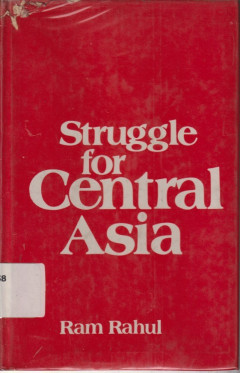
Struggle for central Asia
Struggle for Central Asia explores the historical and geopolitical contest among major powers for influence over the Central Asian region. Ram Rahul analyzes the strategic importance of Central Asia, tracing political rivalries, territorial ambitions, ideological penetration, and diplomatic maneuvers that shaped the region during the 19th and 20th centuries. The book provides insight into the d…
- Edisi
- -
- ISBN/ISSN
- 0-7069-1529-5
- Deskripsi Fisik
- 102 pages ; 22 cm
- Judul Seri
- -
- No. Panggil
- 327.54 RAH s
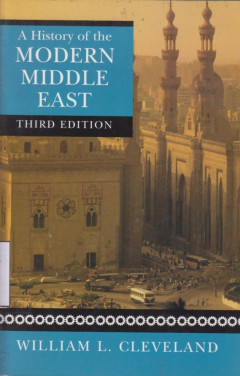
A History of the modern Middle East
“A History of the Modern Middle East” provides a comprehensive and accessible overview of the political, social, and economic developments of the Middle East from the early modern era to the early 21st century. William L. Cleveland examines the fall of the Ottoman Empire, the formation of modern nation-states, colonial legacies, Arab nationalism, the Arab–Israeli conflict, Islamic movemen…
- Edisi
- -
- ISBN/ISSN
- 0-8133-4048-9
- Deskripsi Fisik
- xviii, 588 pages : illustrations ; 23 cm
- Judul Seri
- -
- No. Panggil
- 956.05 CLE h
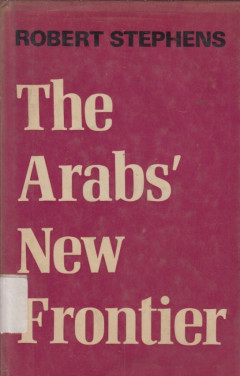
The Arabs' new frontier
This book explores the shifting political landscape of the Arab world during the mid-1970s, highlighting the emergence of new political forces and regional dynamics that shaped the Middle East. Robert Stephens analyzes the evolution of Arab nationalism, inter-Arab relations, and the impact of global power struggles on the region. Through detailed political observations, the author provides insi…
- Edisi
- -
- ISBN/ISSN
- 0-85117-0986
- Deskripsi Fisik
- 279 pages : illustrations ; 22 cm
- Judul Seri
- -
- No. Panggil
- 956 STE a
 Karya Umum
  Filsafat
  Agama
Agama  Ilmu-ilmu Sosial
  Bahasa
  Ilmu-ilmu Murni
  Ilmu-ilmu Terapan
  Kesenian, Hiburan, dan Olahraga
  Kesusastraan
  Geografi dan Sejarah