Ditapis dengan
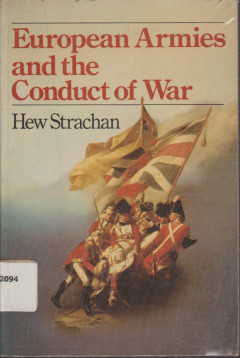
European armies and the conduct of war
European Armies and the Conduct of War by Hew Strachan presents an in-depth analysis of the development of doctrine, organization, and methods of warfare in Europe from the 18th century to the modern era. This book explores how changes in technology, social structure, politics, and military culture have influenced the way wars are planned and executed. Strachan delves into the evolution of the …
- Edisi
- -
- ISBN/ISSN
- 0-04-940070-3
- Deskripsi Fisik
- 226 pages ; 23,5 cm
- Judul Seri
- -
- No. Panggil
- 355.02094 STR e
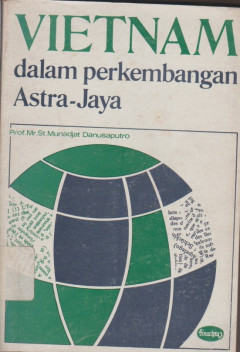
Vietnam dalam perkembangan Astra-Jaya
Buku Vietnam dalam Perkembangan Astra-Jaya karya Prof. Mr. St. Munadjat Danusaputro ini membahas dinamika perkembangan Vietnam dalam berbagai aspek politik, sosial, dan ekonomi pada era pascaperang. Penulis memberikan tinjauan analitis mengenai proses pembangunan nasional Vietnam, termasuk transformasi kebijakan negara, hubungan internasional, serta tantangan internal yang dihadapi negara terse…
- Edisi
- -
- ISBN/ISSN
- -
- Deskripsi Fisik
- xiv, 229 pages : illustration ; 21 cm
- Judul Seri
- -
- No. Panggil
- 959.704 DAN v
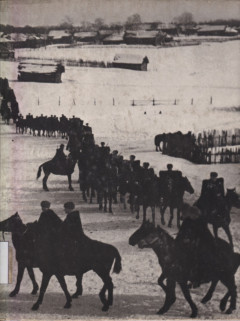
Russia besieged
Russia Besieged examines the brutal and decisive struggle on the Eastern Front during World War II, beginning with Germany’s invasion of the Soviet Union in 1941. Written by Nicholas Bethell with the editors of Time-Life Books, the volume explores key battles such as the sieges of Leningrad and the monumental clash at Stalingrad. It details the immense human cost, the harsh conditions of wint…
- Edisi
- -
- ISBN/ISSN
- 0-8094-2958-4
- Deskripsi Fisik
- 208 pages : illustration ; 29 cm
- Judul Seri
- -
- No. Panggil
- 940.5472 BET r

The Theory of communicative action, Volume 1: Reason and the rationalization …
This first volume of Jürgen Habermas's landmark work lays out the foundations of the theory of communicative action, a key approach in modern social philosophy and sociology. Habermas analyzes how rationality develops in society through communication, not just through instrumental action. The book explores the relationship between social action, societal rationalization, and the communication …
- Edisi
- -
- ISBN/ISSN
- 0-8070-1506-7
- Deskripsi Fisik
- xlii, 465 pages ; 23,5 cm
- Judul Seri
- -
- No. Panggil
- 301.01 HAB t
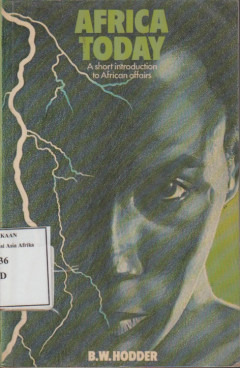
Africa today: A Short introduction to African affairs
B. W. Hodder's book, Africa Today, is a concise introduction to the political, social, and economic affairs of modern Africa. Hodder explains the major changes that have occurred in various African countries since the colonial era, including political dynamics, economic development, societal structures, and the challenges facing the continent. This book is intended for both general readers and …
- Edisi
- -
- ISBN/ISSN
- 0-416-71010-7
- Deskripsi Fisik
- ix, 166 pages : illustration ; 18,5 cm
- Judul Seri
- -
- No. Panggil
- 960.3 HOD a

The Nigerian revolution and the biafran war
This book is a firsthand account of the political upheavals that led to the Nigerian Revolution and the subsequent Biafran War (1967–1970). Written by Major-General Alexander A. Madiebo, Commander of the Biafran Army, the work presents an insider’s perspective on the causes, strategies, and consequences of one of Africa’s most defining post-colonial conflicts. Madiebo recounts the militar…
- Edisi
- -
- ISBN/ISSN
- 978-156-117-3
- Deskripsi Fisik
- xi410 pages : illustration ; 21 cm
- Judul Seri
- -
- No. Panggil
- 966.9052 MAD t
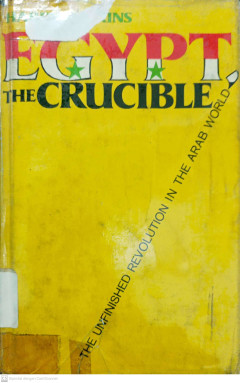
Egypt The Crucible the unfinished revolution in the Arab world
Egypt: The Crucible explores the political and social forces that shaped the modern Arab world, focusing on Egypt as the center of these transformations. Harry Hopkins provides a detailed account of Egypt’s unfinished revolution, examining the struggles for power, ideological conflicts, and historical developments that influenced political movements across the Arab region. Through maps, photo…
- Edisi
- -
- ISBN/ISSN
- -
- Deskripsi Fisik
- xxiv, 533 pages : illustration ; 22 cm
- Judul Seri
- -
- No. Panggil
- 962 HOP e
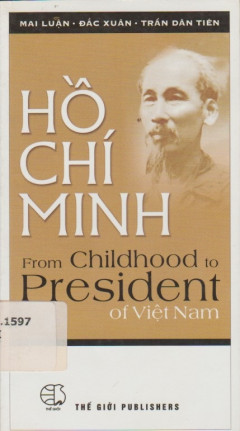
Hồ Chí Minh
Reminiscences of Hồ Chí Minh is a collection of personal stories, memories, and accounts from individuals who worked closely with President Hồ Chí Minh throughout different periods of the Vietnamese revolutionary struggle. The book offers intimate insights into Hồ Chí Minh’s character, leadership style, daily habits, moral principles, and his relationship with the people around him. …
- Edisi
- -
- ISBN/ISSN
- -
- Deskripsi Fisik
- v, 115 pages : illustration ; 20 cm
- Judul Seri
- -
- No. Panggil
- 959.704092 MAI h
The Great powers and Africa
The book "The Great Powers and Africa" examines the involvement of major powers—such as the United States, the Soviet Union, the United Kingdom, France, and China—in the political, economic, and strategic dynamics of the African continent in the post-independence era. Waldemar A. Nielsen illustrates how global geopolitical interests shaped the development of African states, including …
- Edisi
- -
- ISBN/ISSN
- -
- Deskripsi Fisik
- xiii, 431 pages ; 22 cm
- Judul Seri
- -
- No. Panggil
- 327.6 NIE g
Why nations go to war
John G. Stoessinger's Why Nations Go to War is a classic analysis of the factors that drive states to war. Using a case study approach, this fourth edition examines major conflicts of the 20th century and highlights the role of political leaders, misperceptions, miscalculations, and international dynamics as crucial factors underlying the outbreak of war. Stoessinger emphasizes that the decisio…
- Edisi
- -
- ISBN/ISSN
- 0-312-87856-7
- Deskripsi Fisik
- xiii, 221 pages ; 21 cm
- Judul Seri
- -
- No. Panggil
- 355.02 STO w
 Karya Umum
  Filsafat
  Agama
Agama  Ilmu-ilmu Sosial
  Bahasa
  Ilmu-ilmu Murni
  Ilmu-ilmu Terapan
  Kesenian, Hiburan, dan Olahraga
  Kesusastraan
  Geografi dan Sejarah