Ditapis dengan
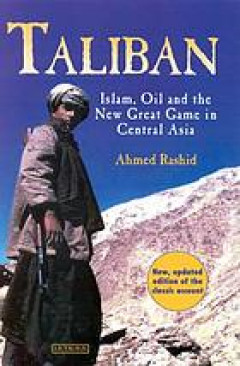
Taliban : Islam, oil and the new great game in central Asia
Since 9/11, the Taliban have dominated headlines around the world. The Taliban government, allied to Osama Bin Laden, collapsed dramatically following the Anglo-American invasion of 2001. Since then however the movement has showed an unexpected ability to evolve, and has drawn the world's only superpower into a protracted and seemingly unwinnable conflict in this strategically vital country. No…
- Edisi
- -
- ISBN/ISSN
- 978 1 84511 788 7
- Deskripsi Fisik
- xxi, 276 pages : 20 cm
- Judul Seri
- -
- No. Panggil
- 958.104 RAS t
Laos and the superpowers
This book examines the complex international relations of Laos during the Cold War era, focusing on the competing influence of major global powers. It explores how the United States, the Soviet Union, and regional actors sought to shape Laos’s political direction through diplomatic pressure, military involvement, and ideological competition. The author analyzes internal conflicts, foreign int…
- Edisi
- -
- ISBN/ISSN
- -
- Deskripsi Fisik
- vii, 166 pages ; 23 cm
- Judul Seri
- -
- No. Panggil
- 323.594 RAT l
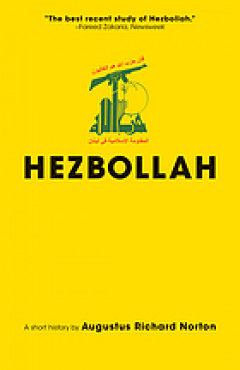
Hezbollah: A short history
With Hezbollah's entry into the Lebanese government in 2009 and forceful intervention in the Syrian civil war, the potent Shi'i political and military organization continues to play an enormous role in the Middle East. A hybrid of militia, political party, and social services and public works provider, the group is the most powerful player in Lebanon. Policymakers in the United States and Israe…
- Edisi
- -
- ISBN/ISSN
- 978-0-691-13124-5
- Deskripsi Fisik
- vi, 187 pages : ilustration ; 24 cm
- Judul Seri
- -
- No. Panggil
- 320.125692 NOR h
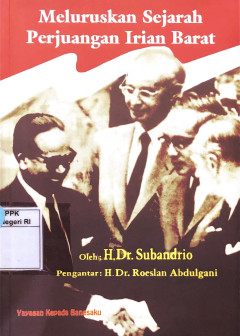
Meluruskan sejarah perjuangan Irian Barat
Buku ini adalah satu sumber rujukan tentang perjuangan mengembalikan Irian Barat ke dalam wilayah persatuan dan kesatuan Negara Republik Indonesia dari kekuasaan kolonial Belanda yang ngotot ingin terus menguasai wilayah itu setelah terjadi kompromi Konperensi Meja Bundar pada tahun 1949 di Den Haag. Isi buku ini menguraikan keberhasilan strategi Bung Karno mewujudkan keutuhan wilayah kesatu…
- Edisi
- Cetakan Kedua
- ISBN/ISSN
- 9799625408
- Deskripsi Fisik
- xxii, 268 halaman ; 23 cm
- Judul Seri
- -
- No. Panggil
- 959.8 Sub m

The pebble in the shoe: The diplomatic struggle for East Timor
This is a book that written too soon after the tragic developments in East Timor in 1999, it could have become part of a burning debate, one that had been generating more heat than light.
- Edisi
- -
- ISBN/ISSN
- 9793851090
- Deskripsi Fisik
- xx, 330 halaman ; 21 cm
- Judul Seri
- -
- No. Panggil
- 959.86 Ala p
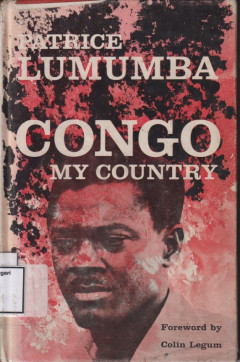
Congo, my country
“Congo, My Country” is a political and personal testament by Patrice Lumumba, the first Prime Minister of the Democratic Republic of Congo. Written shortly before his assassination, the book presents Lumumba’s reflections on colonial oppression, the struggle for national independence, and the challenges facing the newly liberated Congo. Combining biography, political commentary, and histo…
- Edisi
- -
- ISBN/ISSN
- -
- Deskripsi Fisik
- xxix, 195 pages : illustration ; 22 cm
- Judul Seri
- -
- No. Panggil
- 967.51092 LUM c
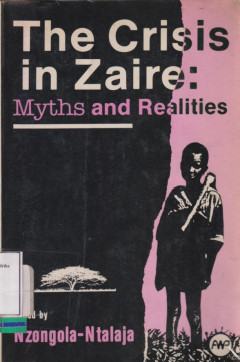
The Crisis in Zaire: Myths and realities
The Crisis in Zaire: Myths and Realities examines the political, social, and economic turmoil that shaped Zaire (now the Democratic Republic of Congo) during the late 20th century. Edited by Georges Nzongola-Ntalaja, the book brings together analyses from leading scholars to challenge widespread misconceptions about the country’s instability. It explores the structural roots of authoritarian …
- Edisi
- -
- ISBN/ISSN
- 978-0-86543-081-2
- Deskripsi Fisik
- vii, 327 pages ; 23 cm
- Judul Seri
- -
- No. Panggil
- 967.51 NZO c
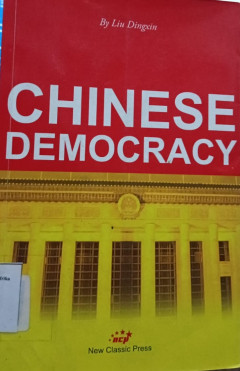
Chinese democracy
Chinese Democracy examines the dynamics of political change and the evolving relationship between the state and society in modern China. The book analyzes how economic development, social mobility, urbanization, and shifting public expectations influence the prospects for political reform. It discusses the structural and cultural factors that shape China’s governance model, including the role…
- Edisi
- -
- ISBN/ISSN
- 978-1-907003-49-3
- Deskripsi Fisik
- xxxiv,324 pages : 25 cm
- Judul Seri
- -
- No. Panggil
- 320.51 DIN c
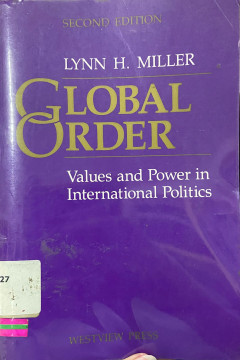
Global Order: Values and power in international politics
Global Order: Values and Power in International Politics" by Lynn H. Miller examines the complex dynamics of global politics, focusing on the interplay of values, power, and international relations from 1975 to 1985. The book explores how world politics are shaped by both ideological values and the power structures that underpin international systems.
- Edisi
- -
- ISBN/ISSN
- 0-8133-0932-8
- Deskripsi Fisik
- xiii, 269 pages ; 23 cm
- Judul Seri
- -
- No. Panggil
- 327.1 MIL g
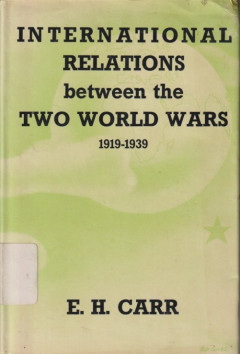
International relations between the two world wars 1919–1939
This book provides a comprehensive analysis of international relations during the interwar period from 1919 to 1939. E. H. Carr examines the political, economic, and diplomatic developments that shaped the fragile international order after World War I. The work discusses the consequences of the peace treaties, the rise of new power dynamics, and the failures of collective security leading to Wo…
- Edisi
- -
- ISBN/ISSN
- 0 333 08318 0
- Deskripsi Fisik
- viii, 302 pages : illustration ; 19 cm
- Judul Seri
- -
- No. Panggil
- 327.090 CAR i
 Karya Umum
 Filsafat
 Agama
 Ilmu-ilmu Sosial
 Bahasa
 Ilmu-ilmu Murni
 Ilmu-ilmu Terapan
 Kesenian, Hiburan, dan Olahraga
 Kesusastraan
 Geografi dan Sejarah