Ditapis dengan
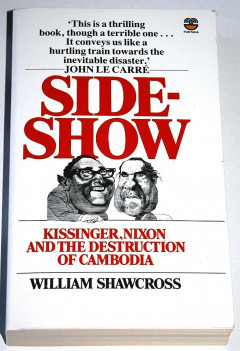
Sideshow : Kissinger, Nixon and the destruction of Cambodia
Sideshow: Kissinger, Nixon and the Destruction of Cambodia examines the political decisions and covert military strategies carried out by the Nixon administration and Henry Kissinger during the Vietnam War, with a focus on their impact on Cambodia. The book reveals how secret bombings, military interventions, and diplomatic maneuvers contributed to the destabilization of Cambodia, ultimately pa…
- Edisi
- -
- ISBN/ISSN
- 0-06-636077-7
- Deskripsi Fisik
- 467 pages ; 18 cm
- Judul Seri
- -
- No. Panggil
- 959.70434 SHA s
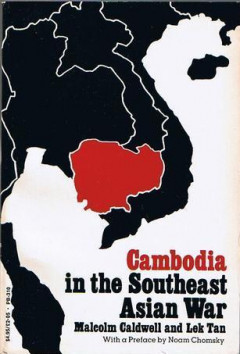
Cambodia in the Southeast Asian war
Cambodia in the Southeast Asian War provides an in-depth analysis of Cambodia’s political, military, and social landscape during the period of conflict surrounding the Vietnam War. The book examines Cambodia’s strategic position in Indochina, the policies of Prince Norodom Sihanouk, and the pressures placed on the country by both communist and anti-communist forces. Through detailed histori…
- Edisi
- -
- ISBN/ISSN
- 0-85345-171-0
- Deskripsi Fisik
- xiii, 446 pages ; 21 cm
- Judul Seri
- -
- No. Panggil
- 959.7043359 CAL c

Cambodia year zero
Cambodia Year Zero documents the dramatic and devastating transformation of Cambodia following the rise of the Khmer Rouge in 1975. The book provides a detailed account of the regime’s radical policies, including forced evacuations, abolition of urban life, collectivization of agriculture, and the systematic dismantling of social, cultural, and political structures. Through eyewitness testimo…
- Edisi
- -
- ISBN/ISSN
- -
- Deskripsi Fisik
- 231 pages ; 18 cm
- Judul Seri
- -
- No. Panggil
- 959.604 PON c

Regime Change in Afghanistan : Foreign intervention and the politics of legit…
This book is a study of regime change in an underdeveloped country with a weak state and strong autonomous social organizations. Regime change is in many countries a traumatic and disruptive experience, but few countries have paid as high a cost to retain traditionally accepted relationships of authority as has Afghanistan since the communist coup
- Edisi
- -
- ISBN/ISSN
- 0-8133-1326-0
- Deskripsi Fisik
- viii, 190 pages : 21 cm
- Judul Seri
- -
- No. Panggil
- 958.1040 SAI r
Cambodia: 1975 - 1982
Presents a carefully researched analysis of the Democratic Kampuchea regime of Pol Pot and the Khmer Rouge (1975-79) and the early years of the People's Republic of Kampuchea (1979-89). This book presents a fresh interpretation based on the earliest primary sources - interviews with the Khmer people themselves.
- Edisi
- -
- ISBN/ISSN
- 0-89608-189-3
- Deskripsi Fisik
- xx, 369 pages ; 22 cm
- Judul Seri
- -
- No. Panggil
- 959.6 VIC c
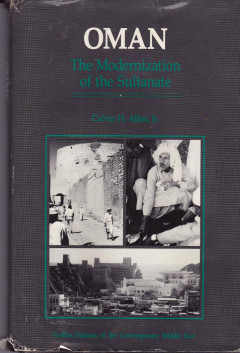
Oman: the modernization of sultanate
This reissue (1987) focuses on the land, the people and the history of Oman. It explores the influences on events of trade, foreign involvement in Omani affairs, and Ibadism (the principal sect of Islam in Oman). It also emphasizes the role of the Sultan in contemporary Oman.
- Edisi
- -
- ISBN/ISSN
- 0-8133-0125-4
- Deskripsi Fisik
- xii, 154 pages: ilustration: 22 cm
- Judul Seri
- -
- No. Panggil
- 953.53 ALL o

A short history of Laos : the land in between
Evans brings Lao history vividly into focus, from ancient times through to the twenty-first century. He recounts the turmoil of independence from France and the war with Vietnam and its aftermath, up to present-day Laos and the country's hopes for its future. Evans traces the compelling story of the emergence of Laos as a modern nation.
- Edisi
- -
- ISBN/ISSN
- 1-86448-997-9
- Deskripsi Fisik
- xvi, 251 pages : ilustrations ; 21 cm
- Judul Seri
- -
- No. Panggil
- 959.4 EVA s
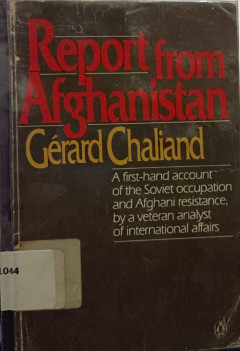
Report from Afghanistan
Report from Afghanistan presents a direct, on-the-ground account of the situation in Afghanistan during the early phase of the Soviet occupation. Based on field observations in active conflict zones and refugee communities, the book provides a realistic portrayal of the social, political, and military conditions shaping the country at the time. The narrative examines the structure and dynamics…
- Edisi
- -
- ISBN/ISSN
- 0-670-59473-3
- Deskripsi Fisik
- 112 pages : 20 cm
- Judul Seri
- -
- No. Panggil
- 958.1044 CHA r
Afghanistan : A short history of its people and politics
This book examines the troubled history of a nation whose global relevance continues to hold the international spotlight. Reaching as far back as the seventh century A.D., when Arab armies imported the new religion of Islam into a predominantly Buddhist country, Martin Ewans shows how centuries of invasions, fierce tribal rivalries, and powerful dynasties led to the creation of an Afghan empire…
- Edisi
- 1
- ISBN/ISSN
- 0-06-050507-9
- Deskripsi Fisik
- ix, 244 pages : ilustrations ; 25 cm
- Judul Seri
- -
- No. Panggil
- 958.1 EWA a
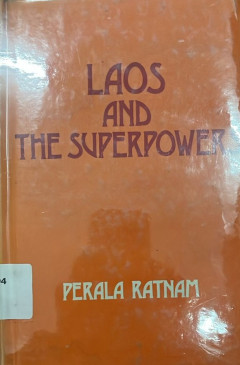
Laos and the superpowers
This book examines the complex international relations of Laos during the Cold War era, focusing on the competing influence of major global powers. It explores how the United States, the Soviet Union, and regional actors sought to shape Laos’s political direction through diplomatic pressure, military involvement, and ideological competition. The author analyzes internal conflicts, foreign int…
- Edisi
- -
- ISBN/ISSN
- -
- Deskripsi Fisik
- vii, 166 pages ; 23 cm
- Judul Seri
- -
- No. Panggil
- 323.594 RAT l
 Karya Umum
  Filsafat
  Agama
Agama  Ilmu-ilmu Sosial
  Bahasa
  Ilmu-ilmu Murni
  Ilmu-ilmu Terapan
  Kesenian, Hiburan, dan Olahraga
  Kesusastraan
  Geografi dan Sejarah