Ditapis dengan
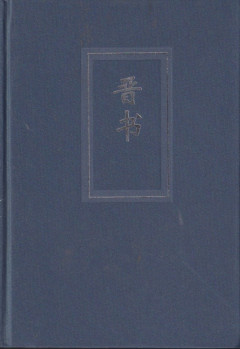
Jin Shu
The Book of Jin (Jin Shu) is one of the official dynastic histories included in the Twenty-Four Histories of China. Compiled by Fang Xuanling and other scholars during the Tang dynasty, the text records the political, cultural, and military developments of the Western and Eastern Jin dynasties (265–420 CE). This Simplified Edition published by Zhonghua Book Company preserves the classical str…
- Edisi
- -
- ISBN/ISSN
- -
- Deskripsi Fisik
- 707 pages ; 21,5 cm
- Judul Seri
- -
- No. Panggil
- 931.03 XUA j
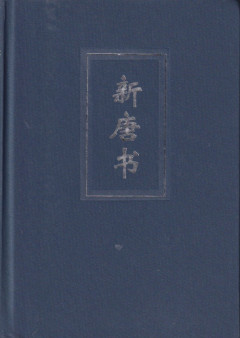
Xin tang shu: Volume 2
The New Book of Tang (Xin Tang Shu) is one of the official histories included in the Twenty-Four Histories of China. Compiled during the Song dynasty by Ouyang Xiu and Song Qi, the work presents a comprehensive account of the Tang dynasty’s political, cultural, and institutional history. This volume (Volume 2) continues the detailed biographical and historical records, employing classical his…
- Edisi
- -
- ISBN/ISSN
- -
- Deskripsi Fisik
- 1979 pages ; 21,5 cm
- Judul Seri
- -
- No. Panggil
- 951.802 XIU x
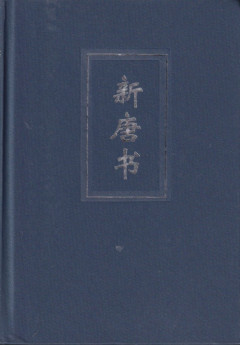
Xin tang shu: Volume 3
The New Book of Tang (Xin Tang Shu) is one of the official dynastic histories included in the Twenty-Four Histories of China. Compiled during the Song dynasty by Ouyang Xiu and Song Qi, the work presents a structured account of the Tang dynasty’s political institutions, biographies, cultural developments, and historical events. This simplified-character edition published by Zhonghua Book Comp…
- Edisi
- -
- ISBN/ISSN
- -
- Deskripsi Fisik
- 2923 pages ; 21,5 cm
- Judul Seri
- -
- No. Panggil
- 951.8 XIU x
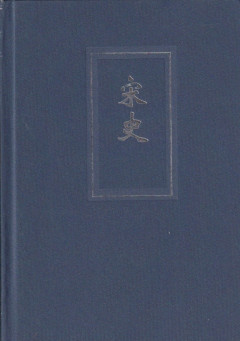
Song Shi: Volume 7
Song Shi (History of the Song Dynasty), Volume 7, is part of the official Twenty-Four Histories compiled during the Yuan dynasty under Toqto’a’s supervision. This volume continues the detailed historical records of the Song dynasty, offering narrative accounts, institutional descriptions, and biographies of significant figures. As a classical Chinese historical text, it preserves essential …
- Edisi
- -
- ISBN/ISSN
- -
- Deskripsi Fisik
- 6980 pages ; 21,5 cm
- Judul Seri
- -
- No. Panggil
- 951.12 TUO s
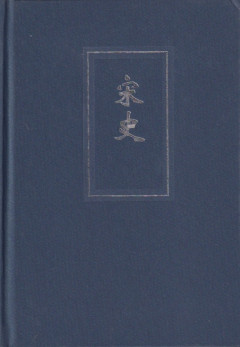
Song Shi: Volume 9
Song Shi (History of the Song Dynasty), Volume 9, is part of the official Twenty-Four Histories compiled during the Yuan dynasty under the direction of Toqto’a. This volume continues the chronological and biographical accounts of the Song dynasty (960–1279), documenting political affairs, administrative changes, cultural developments, and significant figures of the era. The work preserves e…
- Edisi
- -
- ISBN/ISSN
- -
- Deskripsi Fisik
- 9025 pages ; 21,5 cm
- Judul Seri
- -
- No. Panggil
- 951.12 TUO s
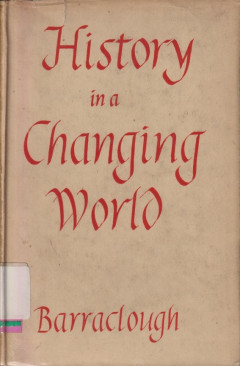
History in a changing world
This work by Geoffrey Barraclough explores the evolving nature of historical study in the modern world. Addressing changes in historical interpretation, methodology, and perspective, the book argues that history must adapt to shifting global conditions and new intellectual challenges. Barraclough discusses the historian’s role, the limitations of traditional approaches, and the need for broad…
- Edisi
- -
- ISBN/ISSN
- -
- Deskripsi Fisik
- viii, 246 pages ; 22 cm
- Judul Seri
- -
- No. Panggil
- 907.2 BAR h

General history of Africa, Volume I: Methodology and African prehistory
This first volume of the UNESCO General History of Africa series examines the methodologies used in studying African history and explores the continent’s prehistoric past. Edited by J. Ki-Zerbo, the book brings together leading scholars who analyze archaeological findings, linguistic evidence, oral traditions, and interdisciplinary approaches that illuminate Africa’s early human development…
- Edisi
- -
- ISBN/ISSN
- 0-435-94808-3
- Deskripsi Fisik
- xxvii, 819 pages : illustration ; 24 cm
- Judul Seri
- -
- No. Panggil
- 960.1 KIZ g

The Terrors of ideological politics: Liberal historians in a conservative mood
The Terrors of Ideological Politics examines how American liberal historians responded to the rise of political conservatism during the mid-20th century. Marian J. Morton analyzes the tensions between ideological commitment and scholarly objectivity, showing how historical writing became a battleground for competing political interpretations of the American past. The book explores the role of i…
- Edisi
- -
- ISBN/ISSN
- 0-8295-0229-7
- Deskripsi Fisik
- xi, 192 pages ; 21,5 cm
- Judul Seri
- -
- No. Panggil
- 973.072 MOR t
An Introduction to Indonesian historiography
The book An Introduction to Indonesian Historiography is an important work in the study of modern Indonesian history. Edited by Soedjatmoko, Mohammad Ali, G. J. Resink, and George McT. Kahin, this book collects the writings of well-known historians regarding the development of Indonesian historical writing, starting from local, colonial historiographic traditions, to modern historical methods. …
- Edisi
- -
- ISBN/ISSN
- 0-8014-0403-7
- Deskripsi Fisik
- xxviii,427 halaman : ilustrasi ; 24 cm
- Judul Seri
- -
- No. Panggil
- 959.8072 SOE i
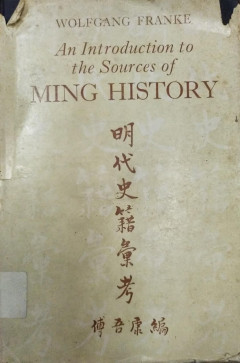
An Introduction to the sources of Ming history
An Introduction to the Sources of Ming History by Wolfgang Franke is a foundational scholarly guide to primary sources essential for studying the Ming dynasty (1368–1644). The book surveys major historical texts, official records, private writings, archival materials, and bibliographic tools relevant to Ming historiography. Franke provides detailed evaluations of the reliability, structure, a…
- Edisi
- -
- ISBN/ISSN
- -
- Deskripsi Fisik
- xxv, 347 pages ; 26 cm
- Judul Seri
- -
- No. Panggil
- 951 FRA a
 Karya Umum
  Filsafat
  Agama
Agama  Ilmu-ilmu Sosial
  Bahasa
  Ilmu-ilmu Murni
  Ilmu-ilmu Terapan
  Kesenian, Hiburan, dan Olahraga
  Kesusastraan
  Geografi dan Sejarah