Ditapis dengan
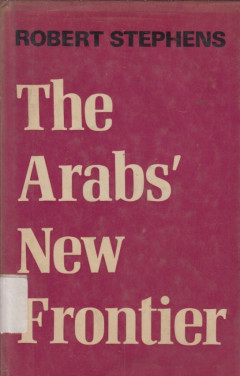
The Arabs' new frontier
This book explores the shifting political landscape of the Arab world during the mid-1970s, highlighting the emergence of new political forces and regional dynamics that shaped the Middle East. Robert Stephens analyzes the evolution of Arab nationalism, inter-Arab relations, and the impact of global power struggles on the region. Through detailed political observations, the author provides insi…
- Edisi
- -
- ISBN/ISSN
- 0-85117-0986
- Deskripsi Fisik
- 279 pages : illustrations ; 22 cm
- Judul Seri
- -
- No. Panggil
- 956 STE a

History of Eastern Arabia 1750–1800: The Rise and development of Bahrain, K…
This book provides a detailed historical analysis of the political, social, and economic development of Eastern Arabia from 1750 to 1800. Ahmad Mustafa Abu-Hakima examines the rise of Bahrain and Kuwait, as well as the emergence of Wahhabi Saudi Arabia as a significant regional force. Drawing from archival sources and previous scholarship, the author explores tribal dynamics, regional conflicts…
- Edisi
- -
- ISBN/ISSN
- 0-85382-022-8
- Deskripsi Fisik
- xix, 213 pages : illustrations ; 22,5 cm
- Judul Seri
- -
- No. Panggil
- 953.8 ABU h
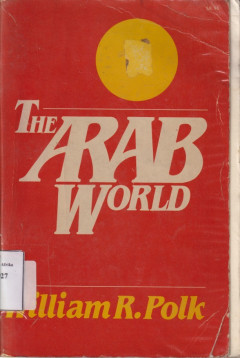
The Arab world
The Arab World by William R. Polk provides a comprehensive overview of the history, politics, and cultural foundations of the Arab region. This fourth edition expands earlier work published under the title The United States and the Arab World. Polk examines the political evolution of Arab countries, their relations with major world powers—especially the United States—and the internal and ex…
- Edisi
- -
- ISBN/ISSN
- 0-674-04317-0
- Deskripsi Fisik
- xxix, 456 pages : illustration ; 23,5 cm
- Judul Seri
- -
- No. Panggil
- 327.73017 POL a
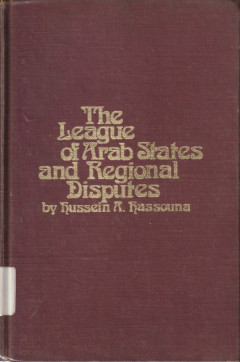
The League of Arab States and regional disputes
This book examines the role of the League of Arab States in managing and responding to regional disputes within the Arab world. Hussein A. Hassouna analyzes the League’s legal foundations, institutional structure, and political functions, highlighting its efforts to address inter-Arab conflicts and promote regional stability. The study evaluates the effectiveness of the League’s dispute-set…
- Edisi
- -
- ISBN/ISSN
- 0-379-00290-4
- Deskripsi Fisik
- xxi, 512 pages ; 24 cm
- Judul Seri
- -
- No. Panggil
- 341.2477 HAS l
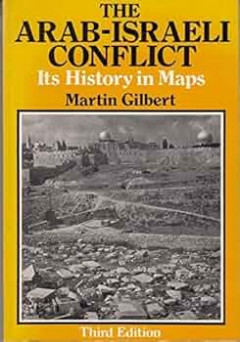
The Arab-Israel conflict: Its History in maps
This book is a cartographic chronicle of the Arab-Jewish conflict from the early twentieth century to the late 1970s, using a series of detailed maps to illustrate key political, territorial, and social changes. Martin Gilbert traces major turning points such as the Balfour Declaration, the British Mandate, the 1948 war, and subsequent territorial shifts showing how borders, populations, and po…
- Edisi
- 3
- ISBN/ISSN
- 0 297 77592 8
- Deskripsi Fisik
- 115 pages : illustrations ; 24 cm
- Judul Seri
- -
- No. Panggil
- 930.095 GIL a
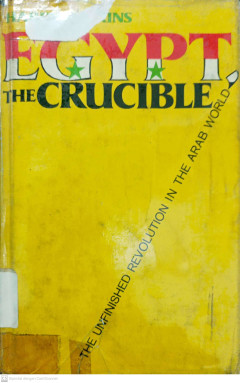
Egypt The Crucible the unfinished revolution in the Arab world
Egypt: The Crucible explores the political and social forces that shaped the modern Arab world, focusing on Egypt as the center of these transformations. Harry Hopkins provides a detailed account of Egypt’s unfinished revolution, examining the struggles for power, ideological conflicts, and historical developments that influenced political movements across the Arab region. Through maps, photo…
- Edisi
- -
- ISBN/ISSN
- -
- Deskripsi Fisik
- xxiv, 533 pages : illustration ; 22 cm
- Judul Seri
- -
- No. Panggil
- 962 HOP e
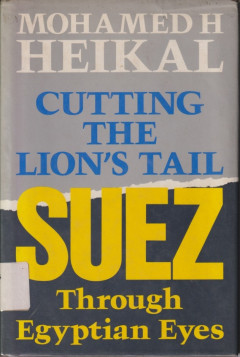
Cutting the lion’s tail: Suez through Egyptian eyes
Cutting the Lion’s Tail: Suez Through Egyptian Eyes presents an authoritative Egyptian perspective on the 1956 Suez Crisis, one of the pivotal conflicts of the modern Middle East. Mohamed Heikal, a leading journalist and close observer of Egyptian politics, provides a detailed account of the political tensions, diplomatic maneuvers, and military actions that culminated in the tripartite attac…
- Edisi
- -
- ISBN/ISSN
- 0-233-97967-0
- Deskripsi Fisik
- xiv, 238 pages : illustration ; 24 cm
- Judul Seri
- -
- No. Panggil
- 956.044 HEI c
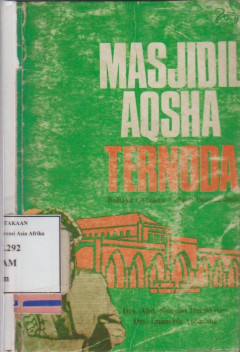
Masjidil Aqsha ternoda: Bahaya gerakan Yahudi internasional
Buku ini membahas isu-isu politik dan sejarah yang berkaitan dengan Masjid Al-Aqsa serta dinamika konflik di kawasan Timur Tengah pada abad ke-20. Penulis menyoroti berbagai peristiwa yang dianggap mengancam keberadaan dan kesucian Masjid Al-Aqsa, serta mengulas perkembangan gerakan politik internasional yang berpengaruh terhadap situasi di Palestina dan Yerusalem. Berisi analisis dari sudut pa…
- Edisi
- -
- ISBN/ISSN
- -
- Deskripsi Fisik
- 131 pages ; 18 cm
- Judul Seri
- -
- No. Panggil
- 956.94 HAM m
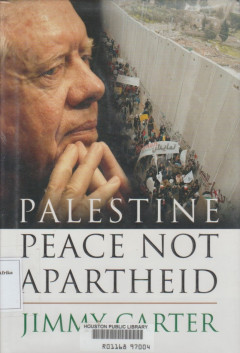
Palestine: Peace not apartheid
Written by Jimmy Carter, former President of the United States, this book offers an in-depth analysis of the Palestinian–Israeli conflict and the path to a just and sustainable peace. Carter outlines the diplomatic challenges, Israel's policies in the West Bank and Gaza, the United States' role in the peace process, and the political obstacles that make a two-state solution difficult to achie…
- Edisi
- -
- ISBN/ISSN
- 978-0-7432-8502-5
- Deskripsi Fisik
- xiv, 264 pages : illustration ; 24,5 cm
- Judul Seri
- -
- No. Panggil
- 956.9405 CAR p
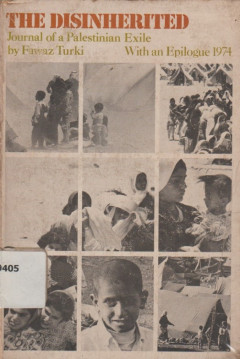
The Disinherited: Journal of a Palestinian exile
This book is the personal account of Fawaz Turki, a Palestinian intellectual living in exile. Through a reflective and powerful writing style, Turki describes his refugee experience, his search for identity, and the emotional and political struggles faced by the Palestinian people. This account presents not only a biography but also a social critique and analysis of the Palestinian–Israeli co…
- Edisi
- -
- ISBN/ISSN
- -
- Deskripsi Fisik
- 188 pages ; 20,5 cm
- Judul Seri
- -
- No. Panggil
- 956.953 TUR d
 Karya Umum
  Filsafat
  Agama
Agama  Ilmu-ilmu Sosial
  Bahasa
  Ilmu-ilmu Murni
  Ilmu-ilmu Terapan
  Kesenian, Hiburan, dan Olahraga
  Kesusastraan
  Geografi dan Sejarah