Ditapis dengan

Non-alignment: Origins, growth and potential for world peace
This work provides a comprehensive study of the origins, evolution, and ideological foundations of the Non-Aligned Movement (NAM). Rikhi Jaipal examines the political environment that led developing nations to adopt non-alignment during the Cold War, highlighting the movement’s principles, leadership, and contributions to international peace efforts. The book discusses the growing influence o…
- Edisi
- -
- ISBN/ISSN
- -
- Deskripsi Fisik
- xii, 214 pages ; 22,5 cm
- Judul Seri
- -
- No. Panggil
- 327.17 JAI n
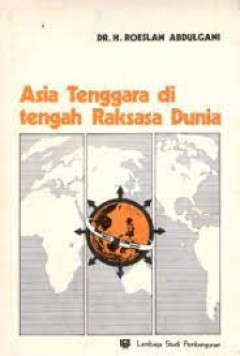
Asia Tenggara di tengah raksasa dunia
Sejak pecah Perang Dunia kedua, Asia Tenggara menjadi kancah perebutan negara-negara raksasa — Amerika, Uni Soviet, RRC dan Jepang — setelah sebelumnya Perancis beberapa tahun bercokol di sub-kawasan Indocina. Jejak sejarah itu dapat dilihat sejak: berdirinya front — Viet Minh (1941), ekspansi sampai takluknya Jepang (1945), beberapa modus vivendi kolonialis Perancis yang melahirkan kemer…
- Edisi
- Cetakan pertama
- ISBN/ISSN
- -
- Deskripsi Fisik
- xxiii, 73 halaman; 24 cm.
- Judul Seri
- -
- No. Panggil
- 327.959 ABD a
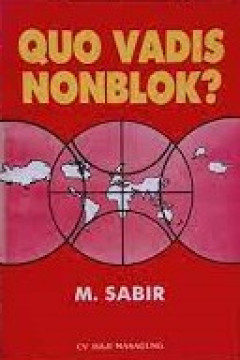
Quo vadis nonblok?
Buku Quo Vadis Nonblok mengupas semua aspek Nonblok sejak dari mulanya hingga sekarang ini, dan merupakan lanjutan bukunya Politik Bebas Aktif
- Edisi
- Cet.1
- ISBN/ISSN
- 979-412-162-2
- Deskripsi Fisik
- xiv, 235 halaman : ilustrasi : index ; 21 cm
- Judul Seri
- -
- No. Panggil
- 327.11 SAB q
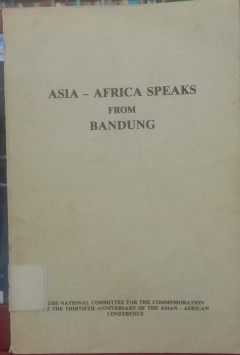
Asia-Africa speaks from Bandung
This commemorative volume presents reflections, statements, and perspectives on the historical significance of the 1955 Asian–African Conference held in Bandung. Published for the thirtieth anniversary of the event, the book highlights the voices and aspirations of Asian and African nations during a pivotal moment in postcolonial international relations. It documents themes of solidarity, ant…
- Edisi
- -
- ISBN/ISSN
- -
- Deskripsi Fisik
- 204 pages; 23 cm
- Judul Seri
- -
- No. Panggil
- 959.8 TIM a

The People’s Republic of China Foreign Affairs archives compilation (Volume…
This volume presents a curated selection of diplomatic archives from the Ministry of Foreign Affairs of the People’s Republic of China, focusing on the Chinese delegation’s participation in the 1955 Asian-African Conference in Bandung. The documents provide insights into China’s foreign policy strategies, diplomatic interactions, preparatory communications, and the geopolitical context su…
- Edisi
- -
- ISBN/ISSN
- -
- Deskripsi Fisik
- 260 pages : illustrations ; 24,5 cm
- Judul Seri
- -
- No. Panggil
- 327.51 MIN p

The Elephants and the grass: A Study of nonalignment
This book provides an in-depth analysis of the Nonaligned Movement during the Cold War, exploring how emerging nations sought to maintain independence from the influence of major global powers. Cecil V. Crabb, Jr. examines the political dynamics between the superpowers (“the elephants”) and the smaller, developing nations (“the grass”), highlighting the movement’s origins, strategies,…
- Edisi
- -
- ISBN/ISSN
- -
- Deskripsi Fisik
- xiii pages ; 20,5 cm
- Judul Seri
- -
- No. Panggil
- 327.17 CRA e
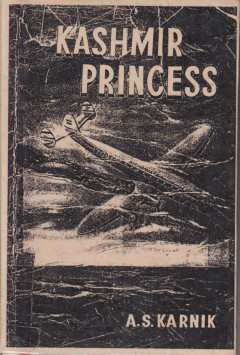
Kashmir Princess
This book provides an investigative account of the 1955 Kashmir Princess incident, in which an Air India chartered aircraft carrying delegates to the Asian-African Conference was destroyed by sabotage. Written shortly after the event, A. S. Karnik analyzes the political context, possible motives, and international implications surrounding the bombing. The work offers insight into Cold War tensi…
- Edisi
- -
- ISBN/ISSN
- -
- Deskripsi Fisik
- xv, 168 pages : illustrations ; 21,5 cm
- Judul Seri
- -
- No. Panggil
- 363.124 KAR k
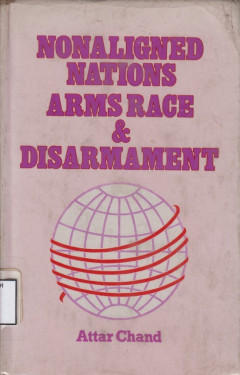
Nonaligned nations: Arms race and disarmament
This book presents a comprehensive study of the arms race, nuclear weapons, and global disarmament from the perspective of the Non-Aligned Nations. It analyzes the strategic importance of the Indian Ocean, the dynamics of détente, and the political role played by nonaligned countries within the United Nations. Through discussions on peace initiatives and global security issues, the author high…
- Edisi
- -
- ISBN/ISSN
- -
- Deskripsi Fisik
- xliv, 373 pages ; 22 cm
- Judul Seri
- -
- No. Panggil
- 327.17 CHA n
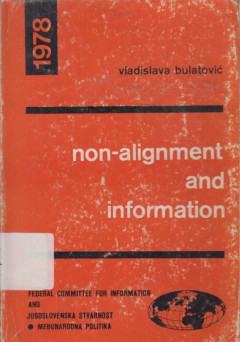
Non-alignment and information
This book analyzes the role of information policy within the Non-Aligned Movement, focusing on how communication, media, and state information systems influence political positioning among developing countries. Vladislava Bulatović discusses Yugoslavia’s informational strategy and the broader effort of Non-Aligned nations to establish an independent and balanced global information order. The…
- Edisi
- -
- ISBN/ISSN
- -
- Deskripsi Fisik
- 119 pages ; 20 cm
- Judul Seri
- -
- No. Panggil
- 327.17 BUL n
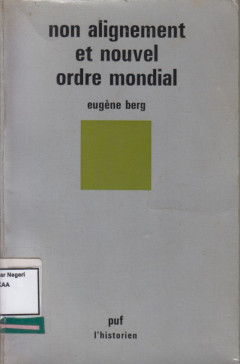
Non Alignement et nouvel Ordre Mondial
This work by Eugène Berg offers a scholarly analysis of the Non-Aligned Movement and its relationship to the emerging global political and economic order at the end of the 20th century. The book examines the ideological foundations of nonalignment, the diplomatic strategies of developing nations, and their attempts to reshape international structures in favor of a more just and equitable world…
- Edisi
- -
- ISBN/ISSN
- 2-13-037768-8
- Deskripsi Fisik
- 181 pages ; 21 cm
- Judul Seri
- -
- No. Panggil
- 327 BER n
 Karya Umum
  Filsafat
  Agama
Agama  Ilmu-ilmu Sosial
  Bahasa
  Ilmu-ilmu Murni
  Ilmu-ilmu Terapan
  Kesenian, Hiburan, dan Olahraga
  Kesusastraan
  Geografi dan Sejarah