Ditapis dengan
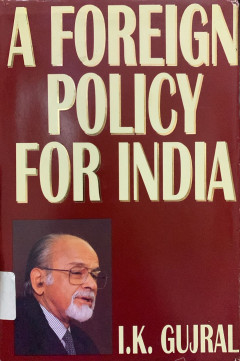
A Foreign policy for India
IK Gujral's "A Foreign Policy for India" outlines the vision and principles behind India's international diplomacy, as articulated by a senior statesman with deep experience in foreign relations. In the book, Gujral outlines his ideas on how India should conduct its foreign policy—emphasizing moral leadership, regional cooperation, and a commitment to peaceful coexistence with its neighbors. …
- Edisi
- -
- ISBN/ISSN
- -
- Deskripsi Fisik
- 337 pages : illustrations ; 24 cm
- Judul Seri
- -
- No. Panggil
- 954 GUJ f
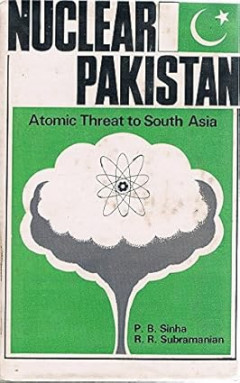
Nuclear Pakistan: Atomic threat to South Asia
Nuclear Pakistan: Atomic Threat to South Asia comprehensively examines the development of Pakistan's nuclear program and its implications for South Asian regional security. P. B. Sinha and R. R. Subramanian explore the political, strategic, and security motivations that drove Pakistan to develop nuclear capabilities following prolonged tensions and rivalry with India. The book's analysis encomp…
- Edisi
- -
- ISBN/ISSN
- -
- Deskripsi Fisik
- vii, 163 pages: illustration; 22 cm
- Judul Seri
- -
- No. Panggil
- 327.5491 SIN n
India and disarmament
Provides an analytical study of India’s disarmament policy and its role in global efforts to reduce and eliminate weapons of mass destruction. The book examines India’s historical commitment to universal disarmament, its diplomatic initiatives, and its proposals at international fora. It also discusses the constraints India faces — including national security considerations, geopolitical …
- Edisi
- -
- ISBN/ISSN
- -
- Deskripsi Fisik
- 294 pages ; 22,5 cm
- Judul Seri
- -
- No. Panggil
- 954.3271 IND i

Divided Korea: The politics of development 1945-1972
This book offers a comparative political analysis of North and South Korea from the end of Japanese colonial rule in 1945 up to 1972, focusing on how two antagonistic regimes—backed by the Soviet Union and the United States sought to consolidate power and direct national development. Kim argues that political leadership, institutional design, and externally driven pressures shaped divergent t…
- Edisi
- -
- ISBN/ISSN
- 674-21287-8
- Deskripsi Fisik
- ix, 471 pages : illustrations ; 23,5 cm
- Judul Seri
- -
- No. Panggil
- 951.904 KIM d

The history of Korea
The History of Korea provides a comprehensive overview of Korea’s historical development from ancient times to the modern era. The authors trace the origins of the Korean people, the formation of early kingdoms, and the cultural, political, and social evolution that shaped the peninsula. The book highlights key dynasties, major historical events, foreign influences, and Korea’s struggles an…
- Edisi
- -
- ISBN/ISSN
- -
- Deskripsi Fisik
- 363 pages ; 23 cm
- Judul Seri
- -
- No. Panggil
- 915.9 POW h
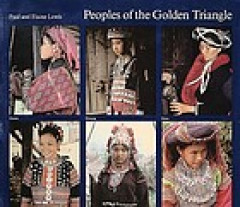
Peoples of the golden triangle
Peoples of the Golden Triangle offers an in-depth exploration of the diverse ethnic communities inhabiting the borderlands of Thailand, Myanmar, and Laos. Drawing on extensive fieldwork, Paul and Elaine Lewis document the history, cultural traditions, social structures, and belief systems of the major hill tribes, including the Akha, Lahu, Hmong, Yao, Karen, and Lisu. The book combines detailed…
- Edisi
- -
- ISBN/ISSN
- 0-500-97314-8
- Deskripsi Fisik
- 300 pages : illustrations (some color) ; 23 cm
- Judul Seri
- -
- No. Panggil
- 951.2 PAU p

Thailand and the struggle for Southeast Asia
Thailand and the Struggle for Southeast Asia examines Thailand’s strategic role in the geopolitical competition that shaped Southeast Asia during the mid-twentieth century. Donald E. Nuechterlein analyzes Thailand’s political landscape, internal security challenges, and foreign policy decisions at a time when regional tensions were heightened by the Cold War and conflicts in neighboring cou…
- Edisi
- -
- ISBN/ISSN
- -
- Deskripsi Fisik
- xvi, 297 pages ; 24 cm
- Judul Seri
- -
- No. Panggil
- 327.593 NUE t
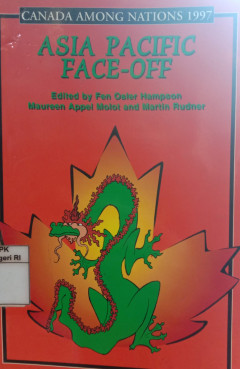
Asia Pacific face-off
Asia Pacific Face-Off is the thirteenth in the Canada Among Nations series published by The Norman Paterson School of International Affairs. In recognition of the government's designation of 1997 as Canada's Year of Asia Pacific, the volume focuses on aspects of Canada's relations with the countries in this region. During 1997 Canada will host the annual Leaders Meeting of the Asia Pacific Econ…
- Edisi
- -
- ISBN/ISSN
- 0-88629-327-8
- Deskripsi Fisik
- x, 352 pages ; 23 cm
- Judul Seri
- -
- No. Panggil
- 327.71 Ham c
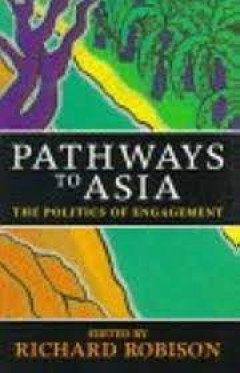
Pathways to Asia : the politics of engagement
After a decade of 'looking north' it's time for a rigorous appraisal of both the visions of Asia and the strategies of engagement underlying Australia's recent dramatic shifts in consciousness and policy direction
- Edisi
- first published
- ISBN/ISSN
- 1-86448-102-1
- Deskripsi Fisik
- xvii, 270 pages : illustrations : index ; 22 cm
- Judul Seri
- -
- No. Panggil
- 327.9405 Rob p

The United States and Asia: Regional dynamics and twenty-first-century relations
Offers a cogent overview of the historical context and enduring patterns of U.S. relations with Asia ... Robert G. Sutter provides a balanced analysis of post-Cold War dynamics in Asia, which involve interrelated questions of security, economics, national identity, and regional institution building. He demonstrates how these critical concerns manifest a complex mix of realist, liberal, and cons…
- Edisi
- -
- ISBN/ISSN
- 9781442226333
- Deskripsi Fisik
- x, 327 pages ; 23 cm
- Judul Seri
- -
- No. Panggil
- 327.7305 Sut u
 Karya Umum
  Filsafat
  Agama
Agama  Ilmu-ilmu Sosial
  Bahasa
  Ilmu-ilmu Murni
  Ilmu-ilmu Terapan
  Kesenian, Hiburan, dan Olahraga
  Kesusastraan
  Geografi dan Sejarah