Ditapis dengan
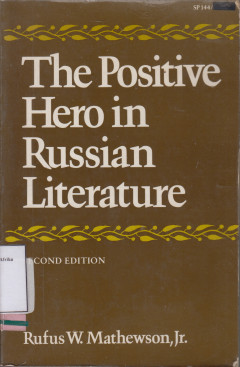
The Positive hero in Russian literature
The Positive Hero in Russian Literature is a seminal study by Rufus W. Mathewson, Jr., examining the evolution of the “positive hero” as an ideological and literary construct in Russian and Soviet literature. Through an analysis of major writers and canonical texts, the book traces how the concept of the idealized heroic figure developed from pre-revolutionary traditions to its central role…
- Edisi
- -
- ISBN/ISSN
- 0-8047-0836-3
- Deskripsi Fisik
- xix, 369 pages ; 21,5 cm
- Judul Seri
- -
- No. Panggil
- 891.709 MAT p

Sterling–dollar diplomacy: Anglo-American collaboration in the reconstructi…
This seminal study by Richard N. Gardner examines the economic diplomacy between the United States and the United Kingdom in the years following World War II. The book analyzes how both nations collaborated to rebuild a stable and cooperative system of multilateral trade. Gardner explores key negotiations, policy debates, and institutional developments that shaped the postwar economic order, in…
- Edisi
- -
- ISBN/ISSN
- -
- Deskripsi Fisik
- xxii, 423 pages : illustrations ; 22 cm
- Judul Seri
- -
- No. Panggil
- 382.9 GAR s

The Realities behind diplomacy: Background influences on British external pol…
This book examines the fundamental factors that influenced British foreign policy from the mid-19th century to 1980. Paul Kennedy examines the various aspects—economic strength, geographic location, social structure, strategic interests, and global power dynamics—that shaped how Britain responded to international change. Using historical approaches and political analysis, the book explains …
- Edisi
- -
- ISBN/ISSN
- -
- Deskripsi Fisik
- 416 pages ; 19,5 cm
- Judul Seri
- -
- No. Panggil
- 327.41009 KEN r
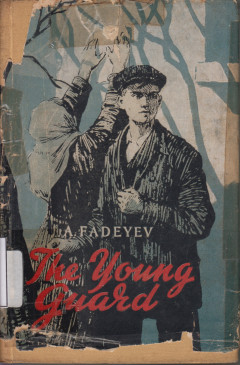
The Young guard : A Novel
The Young Guard is a classic Soviet novel by A. Fadeev depicting the heroic activities of the Young Guard, an underground Komsomol resistance organization operating in Krasnodon during the Nazi occupation in World War II. The novel follows a group of young patriots who organize sabotage, spread anti-fascist materials, and resist German forces despite the extreme dangers they face. Blending hist…
- Edisi
- -
- ISBN/ISSN
- -
- Deskripsi Fisik
- 715 pages ; 20,5 cm
- Judul Seri
- -
- No. Panggil
- 891.73 FAD y
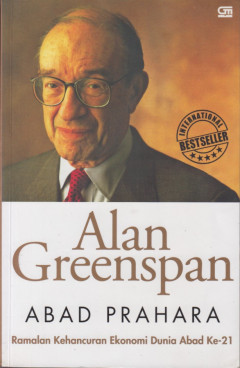
Abad prahara: Ramalan kehancuran ekonomi dunia abad ke-21
Abad Prahara merupakan sebuah kisah tak tertandingi Alan Greenspan tentang sifat dari dunia baru ini, yang disampaikan melalui pengalamannya sendiri selama bekerja di ruang komando ekonomi global dengan pengaruh yang lebih lama dan lebih besar daripada manusia lain mana pun. Ia mulai dengan cerita tentang peristiwa pagi hari tanggal 11 September itu, tapi kemudian melompat ke belakang ke masa k…
- Edisi
- -
- ISBN/ISSN
- 978-979-22-3880-8
- Deskripsi Fisik
- xxviii, 555 halaman : ilustrasi ; 23 cm
- Judul Seri
- -
- No. Panggil
- 330.0112 GRE a
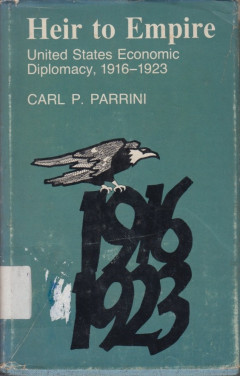
Heir to empire: United States economic diplomacy, 1916–1923
This scholarly work by Carl P. Parrini analyzes the emergence and evolution of United States economic diplomacy during the years 1916 to 1923, a period marked by World War I and the early postwar international order. Parrini examines how American policymakers, bankers, and business leaders shaped global financial structures and sought to expand U.S. influence through loans, trade policy, and ec…
- Edisi
- -
- ISBN/ISSN
- 0-8229-3178-8
- Deskripsi Fisik
- x, 303 pages ; 22,5 cm
- Judul Seri
- -
- No. Panggil
- 337.73 PAR h
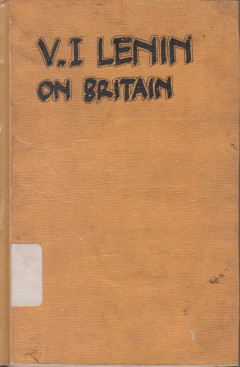
V. I. Lenin on Britain
V. I. Lenin on Britain is a curated collection of Lenin’s writings focused on British politics, labor movements, and international relations. Through speeches, articles, and correspondence, Lenin analyzes the development of capitalism in Britain, the character of the British working class, and the role of the Labour Party within the broader socialist struggle. The volume provides insight into…
- Edisi
- -
- ISBN/ISSN
- -
- Deskripsi Fisik
- 628 pages : ; 19 cm
- Judul Seri
- -
- No. Panggil
- 335.43 LEN v
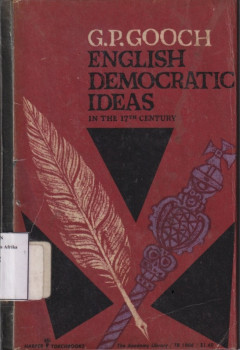
English Democratic Ideas in the Seventeenth Century
This book examines the development of democratic ideas in 17th-century England, including the thinking of figures such as the Levellers, Milton, Harrington, and other political groups during the English Revolution. G. P. Gooch traces the origins of modern democratic ideas through the political conflicts, religious upheavals, and constitutional changes that occurred during this period. This edit…
- Edisi
- -
- ISBN/ISSN
- -
- Deskripsi Fisik
- x, 309 pages ; 20,5 cm
- Judul Seri
- -
- No. Panggil
- 320.42 GOO e
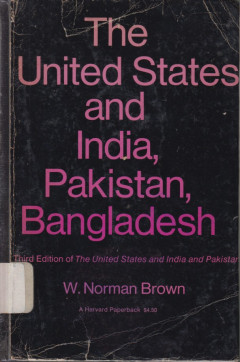
The United States and India, Pakistan, Bangladesh
This third edition by W. Norman Brown provides a comprehensive overview of the political, historical, and diplomatic relations between the United States and the major nations of South Asia—India, Pakistan, and the newly formed Bangladesh. Brown analyzes the evolution of American policy in the region, the influence of geopolitical tensions, and the differing national priorities that shaped int…
- Edisi
- -
- ISBN/ISSN
- -
- Deskripsi Fisik
- ix, 462 pages ; 23,5 cm
- Judul Seri
- -
- No. Panggil
- 327.73054 BRO u
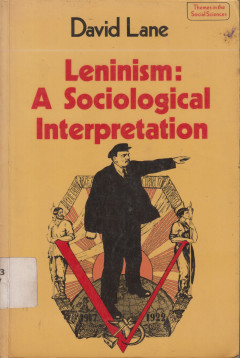
Leninism: A Sociological interpretation
Leninism: A Sociological Interpretation by David Lane offers a comprehensive analysis of Leninist ideology as both a political doctrine and a social system. Lane examines how Leninism diverges from classical Marxism and explores its institutionalization within the Soviet Union. Through a sociological perspective, the book discusses the structures of power, class relations, and political control…
- Edisi
- -
- ISBN/ISSN
- 0-521-23855-2
- Deskripsi Fisik
- x, 150 pages ; 23 cm
- Judul Seri
- -
- No. Panggil
- 335.43 LAN l
 Karya Umum
  Filsafat
  Agama
Agama  Ilmu-ilmu Sosial
  Bahasa
  Ilmu-ilmu Murni
  Ilmu-ilmu Terapan
  Kesenian, Hiburan, dan Olahraga
  Kesusastraan
  Geografi dan Sejarah