Ditapis dengan
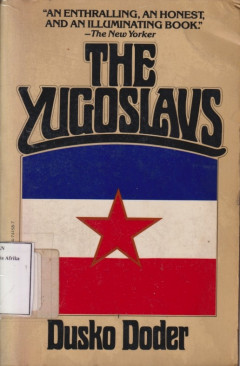
The Yugoslavs
This book provides an in-depth analysis of the society, politics, and social conditions of Yugoslavia after World War II. Journalist and Balkan observer Dusko Doder describes the internal dynamics of the federation, including the ethnic tensions, political structures, and social transformations that shaped the modern Yugoslav identity. With a comprehensive bibliography and index, this book is a…
- Edisi
- -
- ISBN/ISSN
- 0–394–74158–7
- Deskripsi Fisik
- xiv, 256 pages ; 20,5 cm
- Judul Seri
- -
- No. Panggil
- 949.703 DOD y
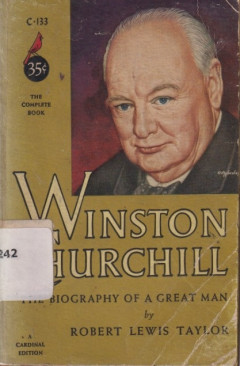
Winston Churchill; The Biography of a great man
This book is a popular biography of Winston Churchill written by Robert Lewis Taylor, a Pulitzer Prize-winning author. Through a lively narrative style, Taylor describes Churchill's life journey from his youth, military career, political career, to his role as the leader of Britain during World War II. This book presents a balanced portrait of Churchill's personal and professional life, highlig…
- Edisi
- -
- ISBN/ISSN
- -
- Deskripsi Fisik
- 405 pages ; 16 cm
- Judul Seri
- -
- No. Panggil
- 923.1 TAY w
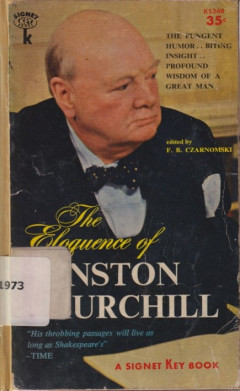
The Eloquence of Winston Churchill
This book is a collection of selected speeches by Winston Churchill, compiled and edited by F. B. Czarnomski. Through this compilation, readers can explore Churchill's rhetorical power and leadership in various political situations, especially during World War II and the period that followed. This collection showcases the language style, political vision, and decisiveness of a statesman known a…
- Edisi
- -
- ISBN/ISSN
- -
- Deskripsi Fisik
- xii, 200 pages ; 18 cm
- Judul Seri
- -
- No. Panggil
- 352.23092 CZA e
Talleyrand
This book is a comprehensive biography of Charles Maurice de Talleyrand-Périgord, one of the most influential diplomats in French and European history. Duff Cooper describes Talleyrand's life journey from the French Revolution, through the Napoleonic era, to the Restoration of the monarchy. With a strong narrative style, this book highlights Talleyrand's political acumen, diplomatic strategy, …
- Edisi
- -
- ISBN/ISSN
- -
- Deskripsi Fisik
- 399 pages : illustration ; 22,5 cm
- Judul Seri
- -
- No. Panggil
- 920.71 COO t

The USSR in 1989: A Record of events
This volume provides a detailed chronological record of political, social, and economic developments in the Soviet Union during the pivotal year of 1989. Compiled from a wide range of official documents, news reports, and archival materials, the book traces major reforms, internal conflicts, institutional changes, and public movements that accelerated the disintegration of the Soviet system. It…
- Edisi
- -
- ISBN/ISSN
- 0-8133-8016-2
- Deskripsi Fisik
- x, 740 pages ; 23,5 cm
- Judul Seri
- -
- No. Panggil
- 947.085 TOL u
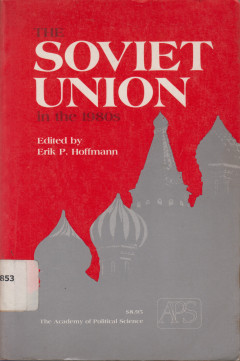
The Soviet Union in the 1980s
The Soviet Union in the 1980s is a scholarly volume featuring articles presented in the Proceedings of the Academy of Political Science. This issue analyzes the political, economic, and social dynamics of the USSR during a transformative decade marked by stagnation, leadership transitions, and the early stages of reform. Contributors examine Soviet domestic and foreign policy, ideological devel…
- Edisi
- -
- ISBN/ISSN
- 0065-0684
- Deskripsi Fisik
- xii, 244 pages ; 23 cm
- Judul Seri
- -
- No. Panggil
- 947.085 HOF s
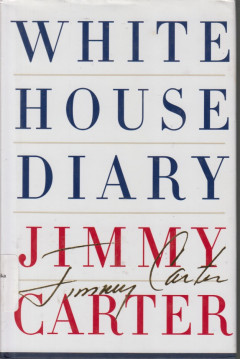
White house diary
White House Diary presents President Jimmy Carter’s detailed, day-to-day reflections during his years in the White House from 1977 to 1981. Drawn from his personal diary entries, the book provides an intimate look at major political decisions, diplomatic challenges, and domestic issues faced during his presidency. Carter offers insights into global events, key policy debates, and his interact…
- Edisi
- -
- ISBN/ISSN
- 978-0-374-28099-4
- Deskripsi Fisik
- xv, 370 pages : illustrations ; 23,5 cm
- Judul Seri
- -
- No. Panggil
- 973.926092 CAR w
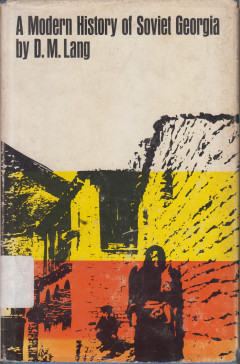
A Modern history of Soviet Georgia
A Modern History of Soviet Georgia by David Marshall Lang provides a comprehensive examination of Georgia’s political, social, and cultural development under Soviet rule. Drawing upon historical records, archival materials, and scholarly analysis, Lang traces the transformation of Georgia from its incorporation into the Soviet Union to its emergence as a distinct republic within the Soviet sy…
- Edisi
- -
- ISBN/ISSN
- -
- Deskripsi Fisik
- xiv, 298 pages : illustrations ; 22 cm
- Judul Seri
- -
- No. Panggil
- 947.5809 MAR m

The Road to terror: Stalin and the self-destruction of the Bolsheviks, 1932 
The Road to Terror presents a comprehensive documentary record of Stalin’s Great Purges, revealing how the Bolshevik leadership descended into political paranoia and internal destruction between 1932 and 1939. Drawn from previously inaccessible Soviet archives, the book exposes the mechanisms of repression, the psychological climate of fear, and the bureaucratic processes that facilitated mas…
- Edisi
- -
- ISBN/ISSN
- 978-0-300-10407-3
- Deskripsi Fisik
- xv, 287 pages ; 23,5 cm
- Judul Seri
- -
- No. Panggil
- 947.0842 GET r
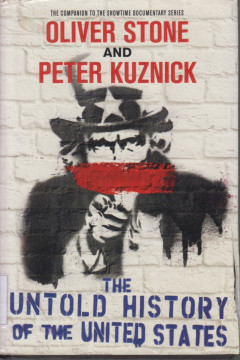
The Untold history of the United States
This book offers a revisionist account of United States history as presented by filmmaker Oliver Stone and historian Peter Kuznick. Serving as a companion to the acclaimed documentary series, it reexamines key political, military, and ideological developments of the 20th and early 21st centuries. The authors challenge conventional narratives by highlighting overlooked events, suppressed documen…
- Edisi
- -
- ISBN/ISSN
- 978-1-4516-1351-3
- Deskripsi Fisik
- xxxiii, 750 pages : illustrations ; 24 cm
- Judul Seri
- -
- No. Panggil
- 973.91 STO u
 Karya Umum
  Filsafat
  Agama
Agama  Ilmu-ilmu Sosial
  Bahasa
  Ilmu-ilmu Murni
  Ilmu-ilmu Terapan
  Kesenian, Hiburan, dan Olahraga
  Kesusastraan
  Geografi dan Sejarah