Ditapis dengan

The Westernization of Asia: A Comparative political analysis
This book provides a comparative political analysis of the Westernization process in Asia. Frank C. Darling examines how Asian societies responded politically, culturally, and institutionally to Western influence from the nineteenth to the twentieth century. The study explores major themes including political modernization, social transformation, colonial legacies, and the development of contem…
- Edisi
- -
- ISBN/ISSN
- 0-8161-9005-4
- Deskripsi Fisik
- xxii, 503 pages : illustrations ; 24 cm
- Judul Seri
- -
- No. Panggil
- 320.95 DAR w

The Westernization of Asia: A Comparative political analysis
This book offers a comparative political analysis of the Westernization process in Asia. Frank C. Darling examines the historical, political, and social forces that have shaped the region’s responses to Western influence. The study explores how Asian countries adapted or resisted Western political models, and evaluates the impact of Westernization on governance, social structures, and nationa…
- Edisi
- -
- ISBN/ISSN
- 0-8161-9005-4
- Deskripsi Fisik
- xxii, 503 pages ; 21 cm
- Judul Seri
- -
- No. Panggil
- 320.95 DAR w
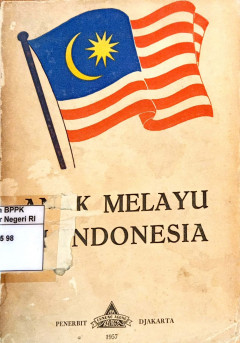
Anak Melayu di Indonesia
Buku ini merupakan naskah perjuangan putra/putri Malaya dibumi Indonesia, sebagai suatu kenang-kenangan untuk rakyat Malaya dan rakyat Indonesia yang seketurunan dan serumpun.
- Edisi
- -
- ISBN/ISSN
- -
- Deskripsi Fisik
- 243 halaman ; ilustrasi ; 19 cm
- Judul Seri
- -
- No. Panggil
- 320.54909598 AIR a

Southeast Asia in international politics, 1941-1956
This book provides a comprehensive analysis of Southeast Asia’s position in international politics from 1941 to 1956, a period marked by World War II, Japanese occupation, postwar reconstruction, and the emergence of nationalist movements throughout the region. Evelyn Colbert examines how global power rivalries—particularly between the United States, the United Kingdom, and emerging Asian s…
- Edisi
- -
- ISBN/ISSN
- 0-8014-0971-3
- Deskripsi Fisik
- 372 pages ; 23,5 cm
- Judul Seri
- -
- No. Panggil
- 327.0959 COL s

Southeast Asia in international politics, 1941-1956
This book explains about international relations of Southeast Asia during the critical period from World War II to the years immediatelly following the first Indochina settlement. Set against a global background, it explores the policies not only of the countries of the region (including Australia and New Zealand), but also of outside countries with interest in Southeast Asia-the European power…
- Edisi
- -
- ISBN/ISSN
- 0-8014-0971-3
- Deskripsi Fisik
- 372 pages : index ; 24 cm
- Judul Seri
- -
- No. Panggil
- 327.0959 COL s
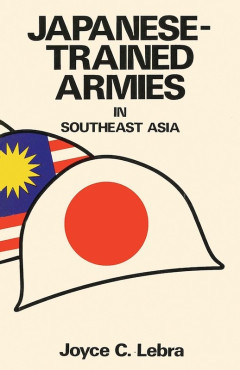
Japanese-trained Armies in Southeast Asia
At the time, the Japanese did not see that their military imprinting would affect a whole generation of political/ Imilitary leadership of nations of post-Second World War Southeast Asia. Leaders like Suharto, Ne Win and Park are all products of Japanese military training.
- Edisi
- -
- ISBN/ISSN
- 9789814279444
- Deskripsi Fisik
- ix, 226 pages : ilustrations (black and white) ; 22 cm
- Judul Seri
- -
- No. Panggil
- 355.309 LEB j
The East after the collapse of the colonial system
This book presents an analysis of political, social, and economic developments in Asian and Middle Eastern countries following the collapse of the colonial system. Written from a Soviet perspective, Ye. M. Primakov examines the transformation of newly independent states, the emergence of national liberation movements, and the geopolitical realignments that shaped the post-colonial world. The st…
- Edisi
- -
- ISBN/ISSN
- -
- Deskripsi Fisik
- 175 pages ; 20,5 cm
- Judul Seri
- -
- No. Panggil
- 325.3 PRI e

Revolutionary diplomacy: Chinese foreign policy and the united front doctrine
This study analyzes the development of China’s foreign policy through the framework of the United Front doctrine, a strategy that combines ideological, political, and diplomatic tools to advance national and revolutionary interests. Armstrong examines China’s international behavior from the early years of the Communist movement through the post-1949 period, highlighting the interplay betwee…
- Edisi
- -
- ISBN/ISSN
- 0-520-04273-5
- Deskripsi Fisik
- 251 pages ; 21,5 cm
- Judul Seri
- -
- No. Panggil
- 327.51 ARM r

Membangun ingatan Bandung: Kota konferensi Asia Afrika
Buku “Membangun Ingatan Bandung: Kota Konferensi Asia Afrika” disusun oleh Museum Konferensi Asia Afrika sebagai upaya mendokumentasikan peran Kota Bandung dalam penyelenggaraan Konferensi Asia Afrika 1955. Buku ini menyajikan narasi sejarah, foto arsip, dokumentasi bangunan bersejarah, serta aktivitas diplomasi yang menjadikan Bandung sebagai pusat solidaritas bangsa-bangsa Asia dan Afrika…
- Edisi
- -
- ISBN/ISSN
- 978-602-7877-40-5
- Deskripsi Fisik
- viii, 114 halaman : ilustrasi ; 20,5 cm
- Judul Seri
- -
- No. Panggil
- 327.095 MUS m
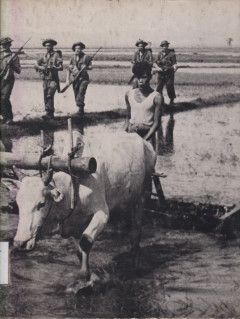
China–Burma–India
China–Burma–India recounts the complex and often overlooked campaigns fought in the Asian theater during World War II. Written by Don Moser with the editors of Time-Life Books, this volume explores the Allied struggle to keep China supplied, the grueling combat in the jungles of Burma, and the challenges of multinational cooperation. The narrative includes the efforts of General Joseph Stil…
- Edisi
- -
- ISBN/ISSN
- 0-8094-2407-0
- Deskripsi Fisik
- 208 pages : illustration ; 29 cm
- Judul Seri
- -
- No. Panggil
- 940.542 MOS c
 Karya Umum
  Filsafat
  Agama
Agama  Ilmu-ilmu Sosial
  Bahasa
  Ilmu-ilmu Murni
  Ilmu-ilmu Terapan
  Kesenian, Hiburan, dan Olahraga
  Kesusastraan
  Geografi dan Sejarah