Ditapis dengan
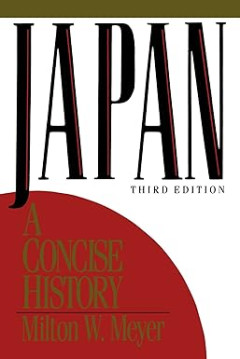
Japan: A concise history
This popular introduction to Japan offers readers an authoritative and up-to-date overview of 2,000 years of Japanese history. Milton W. Meyer's concise explanations of Japanese traditions, religion, history, economics, politics, and relations with the West provide an invaluable aid for understanding contemporary Japanese society and values. Contents: 1. Traditional Japan 2. Feudal Japan 3.…
- Edisi
- -
- ISBN/ISSN
- 0-8226-3018-4
- Deskripsi Fisik
- xi, 330 pages ; 23 cm
- Judul Seri
- -
- No. Panggil
- 952 Mey j
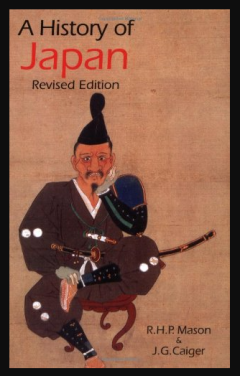
A history of Japan: Revised edition
A History of Japan is a single-volume, complete history of the nation of Japan. Starting in ancient Japan during its early pre-history period A History of Japan covers every important aspect of history and culture through feudal Japan to the post-cold War period and collapse of the Bubble Economy in the early 1990's. Recent findings shed additional light on the origins of Japanese civilization …
- Edisi
- -
- ISBN/ISSN
- 0-8048-2097-X
- Deskripsi Fisik
- 407 pages ; 20 cm
- Judul Seri
- -
- No. Panggil
- 952 Mas h
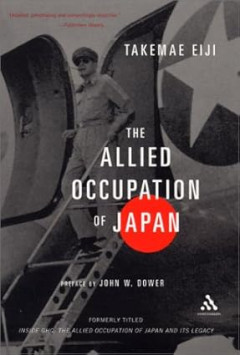
The allied occupation of Japan
Japan's success in charting a new course in the years following World War II stems from the reforming impetus of GHQ/SCAP, Headquarters of the American-led allied occupation that indirectly governed the nation for nearly seven years. This is the story of the reforms of the Occupation period and of the remarkable men and women, Japanese and American, who implemented them. Professor Takemae intro…
- Edisi
- -
- ISBN/ISSN
- 0-8264-6247-2
- Deskripsi Fisik
- xIv, 751 pages : illustrations (black and white) ; 23 cm
- Judul Seri
- -
- No. Panggil
- 952 Eij a
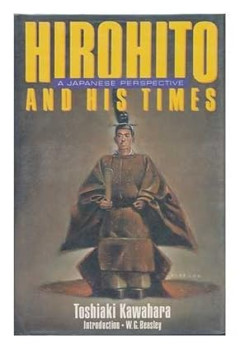
Hirohito and his times: A Japanese perspective
Traces the life of the Japanese Emperor, discusses his changing role in Japanese politics, and includes reminiscences from close associates. Contents: Part one : Early years - New century, old ways - Imperial studies Part two : The emperor at war - The limits of power - Patriots and soldiers Part Three : The emperor peace - Another emporer outside the mot - Friends and enemies.
- Edisi
- -
- ISBN/ISSN
- 4-7700-1479-1
- Deskripsi Fisik
- xiv, 216 pages ; 22 cm
- Judul Seri
- -
- No. Panggil
- 952 Kaw h
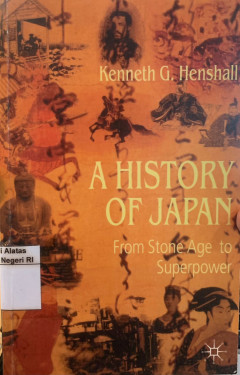
A history of Japan: From stone age to superpower
In a rare combination of comprehensive coverage and sustained critical focus, this book examines Japanese history in its entirety to identify the factors underlying the nation's progression to superpower status. Japan's achievement is explained not merely in economic terms, but at a more fundamental level, as a product of historical patterns of response to circumstance. Japan is shown to be a n…
- Edisi
- Ed. 1
- ISBN/ISSN
- 0-312-21986-5
- Deskripsi Fisik
- xvi, 242 pages ; 22 cm
- Judul Seri
- -
- No. Panggil
- 952 Hen h
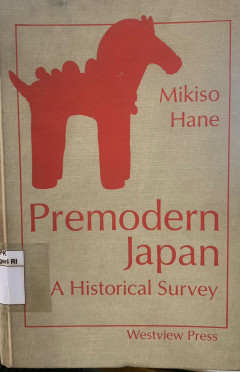
Premodern Japan: A historical survey
This newly revised volume drawn from Professor Hane’s classic text, Japan: A Historical Survey, presents a rich account of early Japanese history for students. Important elements of early Japanese history persist in present-day Japan more tenaciously than is sometimes realized. Hane traces the key developments of Japanese history in the premodern period, including the establishment of the imp…
- Edisi
- -
- ISBN/ISSN
- 0-8133-8066-9
- Deskripsi Fisik
- xii, 258 pages ; 24 cm
- Judul Seri
- -
- No. Panggil
- 952 Han p
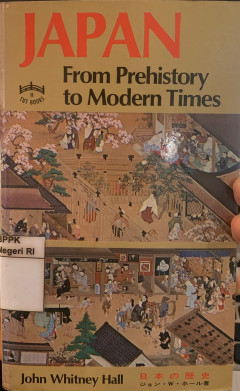
Japan: From prehistory to modern times
Japan: From Prehistory to Modern Times traces the principal threads of Japan's political and cultural life from early times through the mid-twentieth century. In an informative and engaging narrative, the author presents a carefully balanced and authoritative picture of Japan's transformation from a secluded, little known and backward country, with a fundamentally "Eastern" culture, to one of t…
- Edisi
- -
- ISBN/ISSN
- 4-8053-0276-3
- Deskripsi Fisik
- xii, 397 pages ; 19 cm
- Judul Seri
- -
- No. Panggil
- 952 Hal j
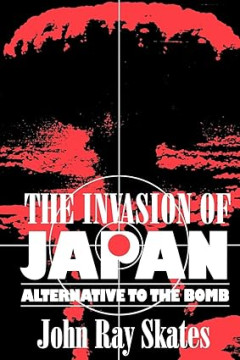
The invasion of Japan: Alternative to the bomb
For more than a half century scholars and nonscholars alike have debated the ethics of dropping the atomic bomb, but rarely have they studied the American plan to invade Japan, the alternative to using the bomb to end the Second World War. Widely held beliefs about the strength of Japanese forces and the projected loss of American lives have been invoked to justify the decision to drop the bomb…
- Edisi
- -
- ISBN/ISSN
- 1-57003-354-4
- Deskripsi Fisik
- xii, 276 pages : illustrations ; 23 cm
- Judul Seri
- -
- No. Panggil
- 952 Ska i
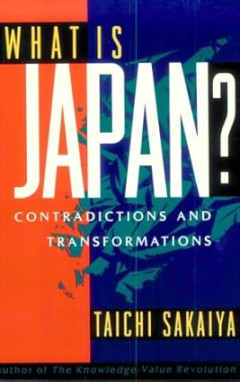
What is Japan? Contradiction and transformations
In a witty, acerbic, and provocative book, the author of the influential futurist synthesis The Knowledge-Value Revolution shows how Japan, borrowing elements from both China and the West, has created a culture unlike any other one that is still changing in a uniquely Japanese way.
- Edisi
- -
- ISBN/ISSN
- 1-56836-087-8
- Deskripsi Fisik
- xxii, 312 pages ;21 cm
- Judul Seri
- -
- No. Panggil
- 952 Sak w

Japan and New Zealand: 150 years
The contents of this book: 1. Encounters, 1860s to 1940s 2. Friend to Foe? New Zealand and Japan, 1900-1937 3. New Zealand, Japan, and the Twenty-year Last Contest of Empire, 1931-1951 4. New Zealand Perceptions of Japan, 1945-1965, etc.
- Edisi
- -
- ISBN/ISSN
- 0-9583505-7-4
- Deskripsi Fisik
- 255 pages : illustrations (black and white) ; 24 cm
- Judul Seri
- -
- No. Panggil
- 952 Per j
 Karya Umum
  Filsafat
  Agama
Agama  Ilmu-ilmu Sosial
  Bahasa
  Ilmu-ilmu Murni
  Ilmu-ilmu Terapan
  Kesenian, Hiburan, dan Olahraga
  Kesusastraan
  Geografi dan Sejarah