Ditapis dengan
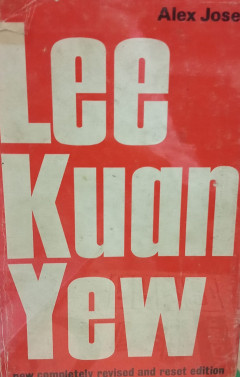
Lee Kuan Yew
This book by Alex Josey presents an insightful biography of Lee Kuan Yew, the founding father of modern Singapore. It traces his early life, education, and rise to political leadership during a critical period in Southeast Asian history. The author highlights Lee’s strategic vision, firm governance, and transformative policies that shaped Singapore into a stable and prosperous nation. Through…
- Edisi
- -
- ISBN/ISSN
- -
- Deskripsi Fisik
- vii, 647 pages ; 22,5 cm
- Judul Seri
- -
- No. Panggil
- 923.25957 JOS l
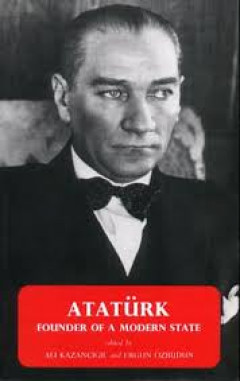
Ataturk: Founder of a modern state
Atatürk: Founder of a Modern State by Ali Kazancigil offers an analytical and insightful exploration of the leadership, political philosophy, and transformative vision of Mustafa Kemal Atatürk. The book examines Atatürk’s pivotal role in leading the Turkish War of Independence and dismantling the remnants of the Ottoman Empire to establish a secular, republican, and modern nation-state. Ka…
- Edisi
- -
- ISBN/ISSN
- 0-905838-67-x
- Deskripsi Fisik
- vi, 243 pages ; 22,3 cm
- Judul Seri
- -
- No. Panggil
- 923.2 KAZ a
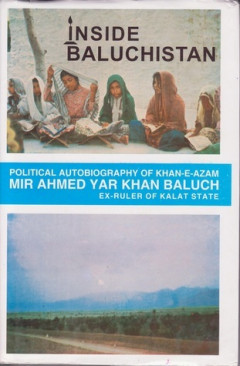
Inside Baluchistan: Political autobiography of Khan-E-Azam
Inside Baluchistan: Political Autobiography of Khan-e-Azam is a political account and personal experience of Mir Ahmad Yar Khan Baluch, a prominent figure and the last ruler of the state of Kalat before its integration into Pakistan. In this autobiography, the author reveals the political dynamics of Baluchistan during the transitional period leading up to and following Pakistan's independence …
- Edisi
- -
- ISBN/ISSN
- -
- Deskripsi Fisik
- xx, 352 pages: illustration; 24 cm
- Judul Seri
- -
- No. Panggil
- 923.254 BAL i
Ataturk
Atatürk, published by the Turkish Historical Society (Türk Tarih Kurumu), presents a detailed and authoritative account of the life and legacy of Mustafa Kemal Atatürk, the founder of the modern Turkish Republic. The book explores Atatürk’s early career as a military officer, his decisive leadership in the Turkish War of Independence, and his role in abolishing the Ottoman Sultanate to es…
- Edisi
- -
- ISBN/ISSN
- -
- Deskripsi Fisik
- 232 pages : Ilustration ; 23,8 cm
- Judul Seri
- -
- No. Panggil
- 956.1024 TIM a
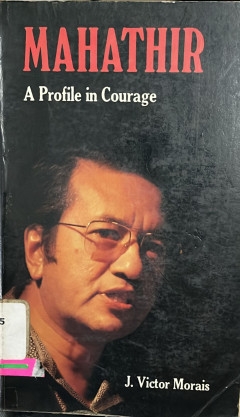
Mahathir: A Profile in courage
Dr Mahathir Mohamad represents a new generation of self-made and self-confident Malaysians. Oncelabeled an 'ultra" and expelled from UMNO. Dr Mahathir emerged from the political wilderness to become the fourth Prime Minister of Malaysia. The setbacks and moments of glory are narrated in this book. More importantly, the text also gives insight to Mahathir's background and philosophy as well as …
- Edisi
- -
- ISBN/ISSN
- -
- Deskripsi Fisik
- viii, 293 pages : ilustrations ; 23 cm
- Judul Seri
- -
- No. Panggil
- 923.2595 MOR m

Special guest: The Detention in Malaysia of an ex-cabinet minister
For many reasons autobiographical writing has not, in times past, been prominent in Asian society, but more recently increasing numbers of politicians and statesmen, writers and artists, administrators and ordinary men 'of excellence' have turned to describing their own lives, for the enlightenment of others. The titles in this series come initially from South-East Asia. Many are translations. …
- Edisi
- -
- ISBN/ISSN
- -
- Deskripsi Fisik
- viii, 210 pages : ilustrations ; 23 cm
- Judul Seri
- -
- No. Panggil
- 923.2595 ISH s
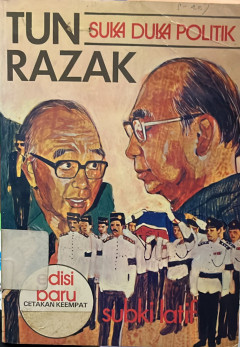
Suka duka politik: Tun Razak
This book provides an in-depth look at the political life of Tun Abdul Razak Hussein, from his experiences as a national figure to his policies as Malaysia's second Prime Minister. Subky Latif highlights the major challenges Razak faced in managing ethnic conflicts, economic crises, and national security, particularly in the period after May 13, 1969. In a critical narrative, Latif analyzes how…
- Edisi
- -
- ISBN/ISSN
- -
- Deskripsi Fisik
- xii, 165 pages : ilustrations ; 18 cm
- Judul Seri
- -
- No. Panggil
- 923.2 LAT s
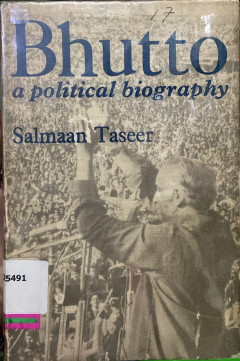
Bhutto: A Political biography
Salmaan Taseer's Bhutto: A Political Biography presents the life and political journey of Zulfikar Ali Bhutto, one of the most influential figures in modern Pakistani history. The book examines his childhood, education, the formation of his political views, and his role in government and national politics. Through an analysis of key events and Bhutto's role in shaping the nation's direction, th…
- Edisi
- -
- ISBN/ISSN
- 0-903729-48-2
- Deskripsi Fisik
- 208 pages: illusttation; 22 cm
- Judul Seri
- -
- No. Panggil
- 923.254 TAS b
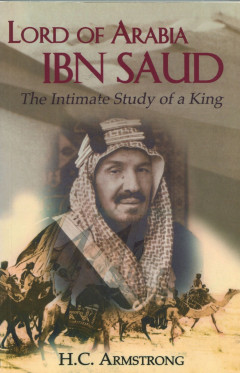
Lord of Arabia Ibn Saud: The Intimate study of a king
Lord of Arabia is a detailed biography of Ibn Saud, the founding father and first monarch of Saudi Arabia. Armstrong explores his rise from tribal leader to king, portraying both his charisma and political skill. Through historical narrative, the book examines how Ibn Saud combined traditional religious values with modern statecraft, unifying disparate Arabian territories. It also delves into h…
- Edisi
- -
- ISBN/ISSN
- 0-7103-1184-2
- Deskripsi Fisik
- 296 pages : illustrations ; 22 cm
- Judul Seri
- -
- No. Panggil
- 923.1 ARM l
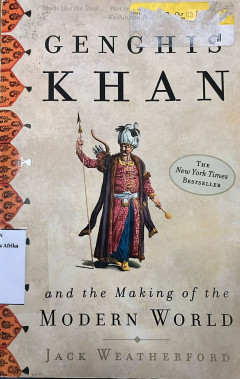
Genghis Khan and the making of the modern world
The Mongol army led by Genghis Khan subjugated more lands and people in twenty-five years than the Romans did in four hundred. In nearly every country the Mongols conquered, they brought an unprecedented rise in cultural communication, expanded trade, and a blossoming of civilization. Vastly more progressive than his European or Asian counterparts, Genghis Khan abolished torture, granted unive…
- Edisi
- -
- ISBN/ISSN
- 0-609-80964-4
- Deskripsi Fisik
- viii, 312 pages ; 20 cm
- Judul Seri
- -
- No. Panggil
- 950.1 WEA g
 Karya Umum
  Filsafat
  Agama
Agama  Ilmu-ilmu Sosial
  Bahasa
  Ilmu-ilmu Murni
  Ilmu-ilmu Terapan
  Kesenian, Hiburan, dan Olahraga
  Kesusastraan
  Geografi dan Sejarah