Ditapis dengan
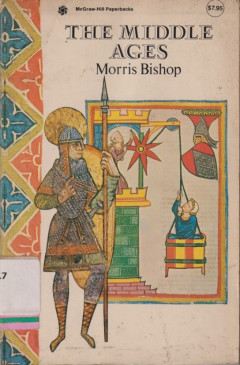
The Middle ages
This book by Morris Bishop provides an engaging and comprehensive overview of the Middle Ages in Europe. Written in a narrative style, it explores political events, social structures, cultural developments, daily life, and major figures that shaped medieval civilization. Bishop presents the era with vivid detail and clarity, offering both scholarly insights and accessible storytelling. The book…
- Edisi
- -
- ISBN/ISSN
- 07-005466-5
- Deskripsi Fisik
- 386 pages : illustration ; 21 cm
- Judul Seri
- -
- No. Panggil
- 940.1 BIS m
Transisi menuju demokrasi: Kasus Eropa Selatan
Buku ini membahas runtuhnya pemerintahan-pemerintahan otoritarian di Eropa Selatan dan proses penegakan demokrasi politik yang menggantikannya. Kendatipun lima kasus negara yang dibicarakan di sini - Italia, Portugal, Spanyol, Yunani, dan Turki.
- Edisi
- -
- ISBN/ISSN
- 979-8391-00-4
- Deskripsi Fisik
- vi, 304 halaman ; 23 cm
- Judul Seri
- -
- No. Panggil
- 940 DON t

Eropa sebagai kekuatan dunia: Lintasan sejarah dan tantangan masa depan
Memasuki dasawarsa 1990-an, Masyarakat Eropa (ME) berusaha untuk menghapus semua rintangan menuju perwujudan lalu lintas barang, manusia, jasa, dan modal yang bebas guna membentuk pasar tunggal dan blok perdagangan terbesar didunia.
- Edisi
- cet. 1
- ISBN/ISSN
- 979-511-427-1
- Deskripsi Fisik
- ix, 336 halaman ; 21 cm
- Judul Seri
- -
- No. Panggil
- 940 LUH e

A History of Europe from 911 to 1198
This book by Z. N. Brooke provides a detailed account of European history from 911 to 1198, a formative period in the development of medieval Europe. It examines political, social, and religious transformations, including the rise of monarchies, the influence of the Church, the growth of feudal institutions, and the shaping of medieval society. The narrative offers insight into major events and…
- Edisi
- -
- ISBN/ISSN
- -
- Deskripsi Fisik
- xx, 553 pages : illustration ; 22 cm
- Judul Seri
- -
- No. Panggil
- 940.12 BRO h
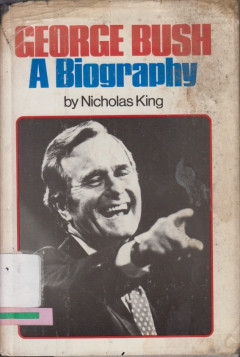
George Bush: A Biography
This biography by Nicholas King provides an overview of the early life, military service, political career, and personal background of George H. W. Bush, who later became the 41st President of the United States. The book examines Bush’s rise through public service, including his roles in Congress, diplomacy, intelligence leadership, and the vice presidency. It presents a clear and accessible …
- Edisi
- -
- ISBN/ISSN
- 0-396-07919-9
- Deskripsi Fisik
- xii, 146 pages : illustrations ; 21,5 cm
- Judul Seri
- -
- No. Panggil
- 973.927092 KIN g
History in a changing world
This work by Geoffrey Barraclough explores the evolving nature of historical study in the modern world. Addressing changes in historical interpretation, methodology, and perspective, the book argues that history must adapt to shifting global conditions and new intellectual challenges. Barraclough discusses the historian’s role, the limitations of traditional approaches, and the need for broad…
- Edisi
- -
- ISBN/ISSN
- -
- Deskripsi Fisik
- viii, 246 pages ; 22 cm
- Judul Seri
- -
- No. Panggil
- 907.2 BAR h

Dilahirkan untuk memimpin: Riwayat hidup George Washington
Buku Dilahirkan untuk Memimpin: Riwayat Hidup George Washington menyajikan kisah kehidupan George Washington, presiden pertama Amerika Serikat sekaligus tokoh utama dalam Revolusi Amerika. Buku ini menguraikan perjalanan hidup Washington sejak masa muda, keterlibatannya dalam dunia militer, perannya dalam perjuangan kemerdekaan Amerika, hingga masa kepemimpinannya sebagai presiden. Melalui baha…
- Edisi
- -
- ISBN/ISSN
- -
- Deskripsi Fisik
- 139 halaman ; 20,5 cm
- Judul Seri
- -
- No. Panggil
- 973.41092 TIM d
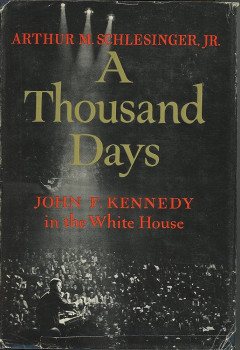
A thousand days: John F. Kennedy in the white house
As special assistant to the president, Arthur Schlesinger witnessed firsthand the politics and personalities that influenced the now legendary Kennedy administration. Schlesinger’s close relationship with JFK, as a politician and as a friend, has resulted in this authoritative yet intimate account in which the president “walks through the pages, from first to last, alert, alive, amused and …
- Edisi
- -
- ISBN/ISSN
- 0-395-08158-0
- Deskripsi Fisik
- xiv, 1087 pages : index ; 22 cm
- Judul Seri
- -
- No. Panggil
- 920.92 SCH t

The Western heritage
This textbook by Stewart C. Easton provides a broad survey of the development of Western civilization from its ancient origins to the modern era. The work examines major political, social, cultural, and intellectual movements that shaped Western history. Emphasizing continuity and change across centuries, the book offers an accessible narrative supported by illustrations and historical examples…
- Edisi
- -
- ISBN/ISSN
- -
- Deskripsi Fisik
- x, 916 pages : illustration ; 26 cm
- Judul Seri
- -
- No. Panggil
- 909.09821 EAS w
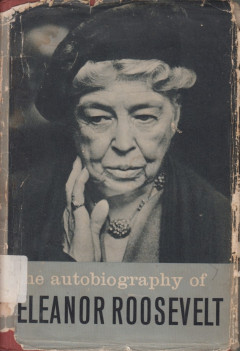
The Autobiography of Eleanor Roosevelt
This autobiography presents the life story of Eleanor Roosevelt, one of the most influential First Ladies and human rights advocates of the twentieth century. Written in her own voice, the book recounts her childhood, personal struggles, public role during Franklin D. Roosevelt’s presidency, and her later work with the United Nations. It offers an intimate look into her development as a polit…
- Edisi
- -
- ISBN/ISSN
- -
- Deskripsi Fisik
- 368 pages : illustrations ; 23,5 cm
- Judul Seri
- -
- No. Panggil
- 973.917092 ROO a
 Karya Umum
  Filsafat
  Agama
Agama  Ilmu-ilmu Sosial
  Bahasa
  Ilmu-ilmu Murni
  Ilmu-ilmu Terapan
  Kesenian, Hiburan, dan Olahraga
  Kesusastraan
  Geografi dan Sejarah