Ditapis dengan

The Transformation of political culture in Cuba
This book examines the profound transformation of political culture in Cuba following the 1959 Revolution. Richard R. Fagen analyzes how revolutionary ideology, social mobilization, institutional changes, and mass participation reshaped Cuban political behavior and citizen-state relations. Combining political science and sociology, the book provides an in-depth study of how a socialist revoluti…
- Edisi
- -
- ISBN/ISSN
- 0-8047-0702-2
- Deskripsi Fisik
- xi, 271 pages : illustration ; 21,5 cm
- Judul Seri
- -
- No. Panggil
- 320.97291 FAG t
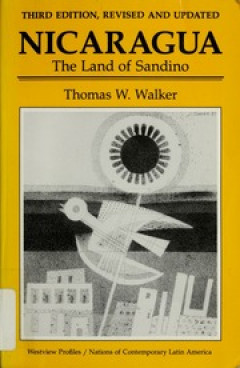
Nicaragua: The Land of Sandino
This revised and updated third edition provides a comprehensive overview of Nicaragua’s historical and political development, focusing particularly on the legacy of Augusto César Sandino and the transformations brought by the Sandinista revolution. Thomas W. Walker analyzes the country’s social, economic, and political challenges, including U.S. involvement, the Contra war, and the shiftin…
- Edisi
- -
- ISBN/ISSN
- 0-8133-1089-X
- Deskripsi Fisik
- 202 pages; 23 cm
- Judul Seri
- -
- No. Panggil
- 972.85 WAL n

Governing The American Republic: Economic, law, and policies
This textbook examines the foundations of the American political system, focusing on the interaction between economics, law, and public policy. Written by Alan Stone and Richard P. Barke, the book provides an analytical overview of U.S. governmental structures, constitutional principles, policymaking processes, and the economic forces shaping political decisions. It serves as a comprehensive in…
- Edisi
- -
- ISBN/ISSN
- 0-312-34108-3
- Deskripsi Fisik
- 526 pages; 24 cm
- Judul Seri
- -
- No. Panggil
- 970 STO g
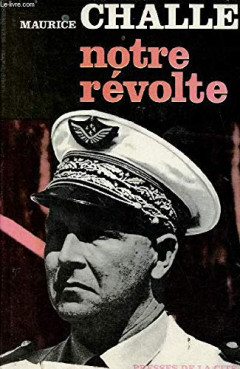
Notre revolte
This book is the memoir of Maurice Challe, a senior French Air Force general, which describes his role in the political and military crisis surrounding the Algerian War of Independence and his involvement in the 1961 “Putsch des Généraux” (generals' coup). Challe outlines the moral, political, and strategic reasons that led his group to oppose the French government's policy on Algeria. Th…
- Edisi
- cet 1
- ISBN/ISSN
- -
- Deskripsi Fisik
- 444 pages; 21 cm
- Judul Seri
- -
- No. Panggil
- 965.04 CHA n

Brazil on the rise
This book charts Brazil's dramatic transformation from a challenging developing nation to an increasingly influential economic and political power in the 21st century. Larry Rohter, former Brazil correspondent for The New York Times, explores the political, economic, social, and cultural changes that shaped Brazil's new face. Through in-depth analysis and interviews with key figures, the book e…
- Edisi
- -
- ISBN/ISSN
- 978-0-230-61887-9
- Deskripsi Fisik
- 292 pages ; 24 cm
- Judul Seri
- -
- No. Panggil
- 981 ROH b
Berlin between two worlds
This book is a collection of academic essays discussing Berlin's unique position as a city divided between two political systems during the Cold War era. The authors analyze the political, social, economic, and international relations developments that shaped the dynamics of West Berlin and East Berlin after 1945. Through a multidisciplinary approach, this book highlights Berlin's role as a sym…
- Edisi
- -
- ISBN/ISSN
- 0-8133-7131-7
- Deskripsi Fisik
- xiii, 184 pages ; 22,5 cm
- Judul Seri
- -
- No. Panggil
- 943.1555 FRA b
Contemporary Germany: Politics and culture
This book is a collection of essays discussing aspects of contemporary German politics, economics, society, culture, and literature, particularly in West Germany from the postwar era to the end of the 20th century. Edited by Charles Burdick, Hans-Adolf Jacobsen, and Winfried Kudszus, this book presents a multidisciplinary analysis of the dynamics of German democracy, changes in social structure…
- Edisi
- -
- ISBN/ISSN
- 0-86531-443-8
- Deskripsi Fisik
- xii, 436 pages : illustration ; 23 cm
- Judul Seri
- -
- No. Panggil
- 943.087 BUR c

The truth about Chile
This book is a classic work on Chilean history, written by a group of leading historians: Sergio Villalobos, Osvaldo Silva, Fernando Silva, and Patricio Estelle. It examines the development of Chilean history from pre-Columbian times to the modern era, encompassing political, social, economic, and cultural aspects. Its narrative structure emphasizes the evolution of Chilean society and the hist…
- Edisi
- First Edition
- ISBN/ISSN
- -
- Deskripsi Fisik
- 192 pages, 22 cm x 14 cm
- Judul Seri
- -
- No. Panggil
- 983 CHO t
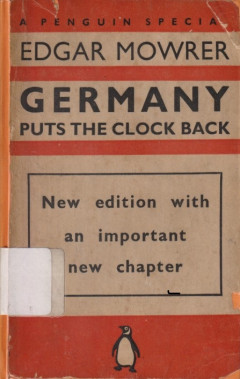
Germany puts the clock back
This book contains Edgar Ansel Mowrer's sharp analysis of German political developments after the Nazi Party rose to power. Written by a renowned international journalist, this book describes how the policies of Adolf Hitler and Nazi leaders changed the course of German history in the early 1930s. Using an investigative style, Mowrer highlights political oppression, propaganda, social change, a…
- Edisi
- -
- ISBN/ISSN
- -
- Deskripsi Fisik
- v, 284 pages ; 18 cm
- Judul Seri
- -
- No. Panggil
- 943.086 MOW g
Hindenburg und die Sage von der Deutschen Republik
This book is a critical biography of Paul von Hindenburg, a military figure and President of Germany during the Weimar Republic era. Emil Ludwig describes Hindenburg's life journey, from his military career and his role in World War I to his involvement in post-war German politics. In addition, this book examines the myths and legends that developed around the Weimar Republic and describes the …
- Edisi
- -
- ISBN/ISSN
- -
- Deskripsi Fisik
- 378 pages ; 20,5 cm
- Judul Seri
- -
- No. Panggil
- 943.085092 LUD h
 Karya Umum
  Filsafat
  Agama
Agama  Ilmu-ilmu Sosial
  Bahasa
  Ilmu-ilmu Murni
  Ilmu-ilmu Terapan
  Kesenian, Hiburan, dan Olahraga
  Kesusastraan
  Geografi dan Sejarah