Ditapis dengan

Collected documents of the Asian-African conference April 18-24, 1955
The Asian - African conference succeeded in formulating the principles of international relations for developing countries in general and the non-aligned in particular. This collection will become the record of history of politics and international relations of the Republic of Indonesia and will be re-read by anyone interested in the problems.
- Edisi
- -
- ISBN/ISSN
- -
- Deskripsi Fisik
- vi, 207 pages : 25 cm
- Judul Seri
- -
- No. Panggil
- 327.959 AGE c

Himpunan dokumen Konperensi Asia-Afrika 18-24 April 1955
Buku ini merupakan salah satu usaha untuk preservasi bahan-bahan konperensi, dengan harapan dapat menjadi rekaman sejarah politik dan hubungan internasional RI yang bisa di baca ulang oleh setiap peminat masalah politik dan hubungan internasional.
- Edisi
- -
- ISBN/ISSN
- -
- Deskripsi Fisik
- vi, 226 Halaman : 24 cm
- Judul Seri
- -
- No. Panggil
- 327.95460 BAD h

South Asia: A Short history of the subcontinent
South Asia: A Short History of the Subcontinent provides a concise yet comprehensive overview of the historical development of the Indian subcontinent. Covering major regions including India, Pakistan, Bangladesh, Sri Lanka, and Nepal, the book traces political, cultural, and social transformations from ancient civilizations to the twentieth century. Meyer highlights the interaction of diverse …
- Edisi
- -
- ISBN/ISSN
- 0-8226-0034-X
- Deskripsi Fisik
- vi, 265 pages : illustrations ; 20,5 cm
- Judul Seri
- -
- No. Panggil
- 954 MEY s

Southeast Asia: Problems of United States policy
This book examines the major issues faced by the United States in formulating its policy toward Southeast Asia during the early Cold War period. Edited by William Henderson, it analyzes political, economic, and security considerations that shaped American involvement in the region. Through contributions by subject-matter experts, the volume explores regional dynamics, nationalist movements, the…
- Edisi
- -
- ISBN/ISSN
- -
- Deskripsi Fisik
- xiv, 273 pages ; 21 cm
- Judul Seri
- -
- No. Panggil
- 327.59 HEN s

Congratulatory messages on the occasion of the commemoration of the fortieth …
This volume compiles congratulatory messages delivered on the occasion of the fortieth anniversary of the 1955 Asian-African Conference. Published by the Department of Foreign Affairs of the Republic of Indonesia in cooperation with Gramedia Widiasarana Indonesia, the book highlights reflections, tributes, and diplomatic statements from leaders and representatives of various nations. The collec…
- Edisi
- -
- ISBN/ISSN
- 979-553-853-5
- Deskripsi Fisik
- v, 195 pages ; 29 cm
- Judul Seri
- -
- No. Panggil
- 327.170.6 DEP c
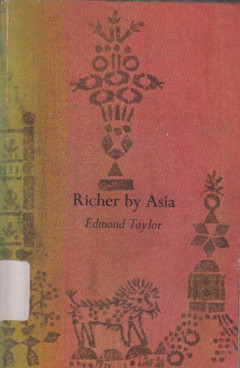
Richer by Asia
Richer by Asia presents Edmond Taylor’s insightful reflections on the political, cultural, and social transformations shaping Asia in the mid-twentieth century. Written for the Time Reading Program, the book analyzes major historical events, shifting power dynamics, and the rise of new Asian identities after World War II. Through vivid reportage and historical interpretation, Taylor illustrat…
- Edisi
- -
- ISBN/ISSN
- -
- Deskripsi Fisik
- xxiv, 446 pages : illustrations ; 20,5 cm
- Judul Seri
- -
- No. Panggil
- 950.04 TAY r

The Role of middle powers in the Pacific: Indonesia–Canada relations toward…
This book presents a collection of papers from the First Indonesia–Canada Conference, held in Sanur, Bali, in February 1985. It explores the evolving roles of middle powers in the Pacific region, focusing particularly on Indonesia–Canada relations and their strategic outlook towards the year 2000. The discussions address political cooperation, economic engagement, regional security, and the…
- Edisi
- -
- ISBN/ISSN
- 979-8026-00-4
- Deskripsi Fisik
- vi, 193 pages ; 21,5 cm
- Judul Seri
- -
- No. Panggil
- 327.598 CEN r
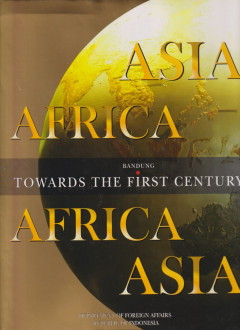
Asia Africa: Bandung towards the first century
This commemorative volume presents a collection of essays, reflections, and policy perspectives on the enduring legacy of the 1955 Bandung Asian-African Conference. Edited under the coordination of Joop Avé and published by the Department of Foreign Affairs of the Republic of Indonesia, the book explores the historical significance of Asia–Africa cooperation and its relevance in the twenty-f…
- Edisi
- -
- ISBN/ISSN
- -
- Deskripsi Fisik
- 225 pages : illustrations ; 31 cm
- Judul Seri
- -
- No. Panggil
- 327.172 AVE a
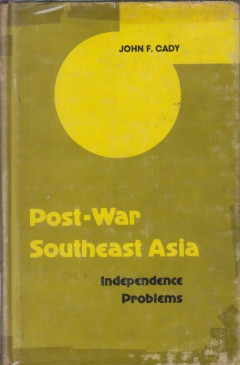
The History of post-war Southeast Asia
The History of Post-War Southeast Asia offers a comprehensive analysis of the political, social, and economic developments that shaped Southeast Asia after World War II. John F. Cady examines the region's transition from colonial rule to independence, the rise of nationalist movements, Cold War influences, and the formation of modern state identities. The book provides detailed country-by-count…
- Edisi
- -
- ISBN/ISSN
- 8214-0175-0
- Deskripsi Fisik
- xxii, 720 pages : illustrations ; 22,5 cm
- Judul Seri
- -
- No. Panggil
- 959.05 CAD h
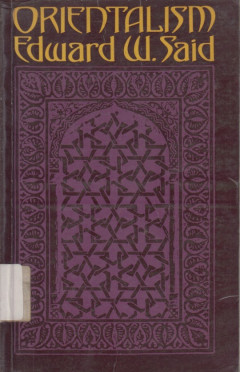
Orientalism
Orientalism is Edward W. Said’s groundbreaking study on how the West has historically constructed and represented the cultures, peoples, and histories of the East. Drawing from literature, art, politics, and academic scholarship, Said argues that Western portrayals of the “Orient” were shaped by imperial interests and power relations, resulting in stereotypes that justified colonial domin…
- Edisi
- -
- ISBN/ISSN
- 0-7100-0555-5
- Deskripsi Fisik
- xi, 368 pages ; 21,5 cm
- Judul Seri
- -
- No. Panggil
- 950.072 SAI o
 Karya Umum
  Filsafat
  Agama
Agama  Ilmu-ilmu Sosial
  Bahasa
  Ilmu-ilmu Murni
  Ilmu-ilmu Terapan
  Kesenian, Hiburan, dan Olahraga
  Kesusastraan
  Geografi dan Sejarah