Ditapis dengan
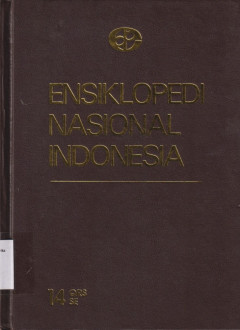
Ensiklopedi nasional Indonesia : Jilid 14
Ensiklopedi Nasional Indonesia Jilid 14 merupakan bagian dari seri ensiklopedia komprehensif yang memuat artikel-artikel rujukan mengenai berbagai aspek pengetahuan, mulai dari ilmu pengetahuan, sejarah, kebudayaan, tokoh-tokoh penting, hingga konsep ilmiah dan sosial yang relevan di Indonesia maupun dunia. Buku ini disusun oleh tim redaksi dan diterbitkan oleh PT Cipta Adi Pustaka. Sebagai ref…
- Edisi
- 14
- ISBN/ISSN
- 979-8265-25-4
- Deskripsi Fisik
- 576 halaman : ilustrasi ; 25,5 cm
- Judul Seri
- -
- No. Panggil
- 031 CIP e
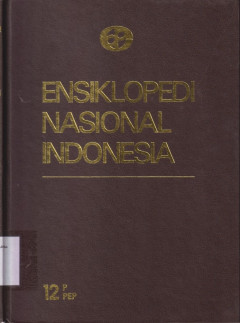
Ensiklopedi nasional Indonesia: Jilid 12
Ensiklopedi Nasional Indonesia Jilid 12 merupakan bagian dari ensiklopedia umum yang menyajikan beragam entri pengetahuan mencakup berbagai bidang seperti sejarah, geografi, ilmu pengetahuan, kebudayaan, tokoh, dan terminologi penting terkait Indonesia maupun dunia. Disusun sebagai sumber rujukan yang komprehensif, jilid ini berfungsi untuk memberikan informasi ringkas, akurat, dan mudah diakse…
- Edisi
- 12
- ISBN/ISSN
- 979-8265-23-8
- Deskripsi Fisik
- 432 halaman : ilustrasi ; 25,5 cm
- Judul Seri
- -
- No. Panggil
- 031 CIP e
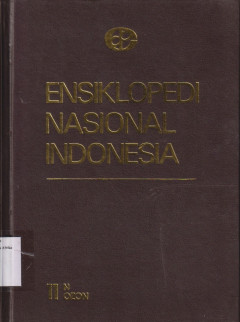
Ensiklopedi nasional Indonesia: Jilid 11
Ensiklopedi Nasional Indonesia Jilid 11 merupakan bagian dari rangkaian ensiklopedia umum yang disusun sebagai sumber rujukan komprehensif bagi pembaca. Jilid ini memuat berbagai artikel dan informasi penting mengenai istilah, tokoh, peristiwa, konsep ilmiah, kebudayaan, serta pengetahuan umum lainnya yang relevan dengan Indonesia maupun dunia. Diterbitkan oleh PT Cipta Adi Pustaka pada tahun 1…
- Edisi
- 11
- ISBN/ISSN
- 979-8265-22-X
- Deskripsi Fisik
- 340 halaman : ilustrasi ; 25,5 cm
- Judul Seri
- -
- No. Panggil
- 031 CIP e
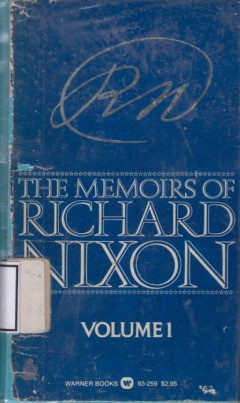
The Memoirs of Richard Nixon
The Memoirs of Richard Nixon, Volume I presents the former U.S. President’s personal account of his life, political career, and the major events that shaped his administration. In this volume, Nixon reflects on his early years, his rise in American politics, his experiences as Vice President, and his path to the White House in 1969. He provides detailed insights into domestic policy challenge…
- Edisi
- cet.1
- ISBN/ISSN
- 0-446-93259-0
- Deskripsi Fisik
- 688 pages, 18 x 11 cm
- Judul Seri
- -
- No. Panggil
- 973.92 NIX m
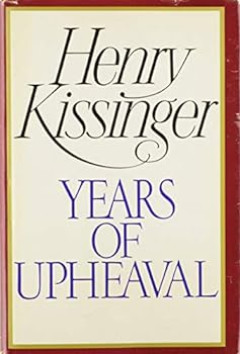
Years of upheaval
Henry Kissinger is a comprehensive biography exploring the life, career, and influence of one of the most significant American diplomats of the twentieth century. The book examines Kissinger’s early years, his rise as an academic and foreign policy strategist, and his role as National Security Advisor and Secretary of State under Presidents Nixon and Ford. It analyzes his contributions to maj…
- Edisi
- cet 1
- ISBN/ISSN
- 0-31-628-5919
- Deskripsi Fisik
- xxi, 1281 pages : illustrations ; 24 cm
- Judul Seri
- -
- No. Panggil
- 973.924 KIS y
The End of a Presidency
The End of a Presidency presents a detailed journalistic account of the events leading to the resignation of President Richard M. Nixon in 1974. Written by the staff of The New York Times, the book documents the unfolding of the Watergate scandal, the Congressional investigations, and the release of presidential conversations that shaped the final months of Nixon’s administration. With analys…
- Edisi
- -
- ISBN/ISSN
- -
- Deskripsi Fisik
- vii, 877 pages; 19 cm
- Judul Seri
- -
- No. Panggil
- 973.924 STA e

The End of a Presidency: A Time unparalleled in American history documented b…
The End of a Presidency provides a detailed and chronological account of the events that led to the resignation of President Richard M. Nixon in 1974. Written by the staff of The New York Times, the book compiles investigative reports, analyses, and official government documents related to the Watergate scandal. It examines the unfolding political crisis, the release of presidential tapes, cong…
- Edisi
- -
- ISBN/ISSN
- -
- Deskripsi Fisik
- ix, 353 pages; 19 cm
- Judul Seri
- -
- No. Panggil
- 973.924 STA e

Coming to terms: Indochina, the United States, and the war
Coming to Terms: Indochina, the United States, and the War is a collection of analytical essays exploring the political, social, and historical dimensions of the Indochina conflicts, particularly the Vietnam War and its long-term consequences. Edited by Douglas Allen and Ngô Vĩnh Long, the volume brings together scholars who examine U.S. involvement, revolutionary movements, regional dynamics…
- Edisi
- -
- ISBN/ISSN
- 0-8133-1249-3
- Deskripsi Fisik
- x, 350 pages : illustrations ; 23 cm
- Judul Seri
- -
- No. Panggil
- 973.924 ALL c
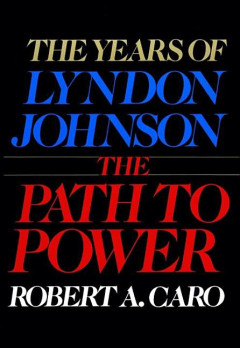
The Years of Lyndon Johnson: The Path to power
The Path to Power, the first volume in Robert A. Caro’s monumental series The Years of Lyndon Johnson, traces the early life, ambition, and political rise of Lyndon Baines Johnson. Through extensive archival research and vivid narrative detail, Caro explores Johnson’s family background, his formative years in Texas, his relentless pursuit of influence, and his strategic mastery of political…
- Edisi
- -
- ISBN/ISSN
- 0-394-49973-5
- Deskripsi Fisik
- xxiii, 882 pages : illustrations ; 21 cm
- Judul Seri
- -
- No. Panggil
- 973.923 CAR y

Landslide: The Unmaking of the president, 1984–1988
Landslide: The Unmaking of the President, 1984–1988 offers an investigative and detailed account of the political decline of President Ronald Reagan during his second term in office. Written by journalists Jane Mayer and Doyle McManus, the book examines the internal dynamics of the Reagan administration, major policy failures, and the crises that reshaped public perception of the presidency. …
- Edisi
- -
- ISBN/ISSN
- 0-395-45185-X
- Deskripsi Fisik
- xi, 468 pages : illustrations ; 23,5 cm
- Judul Seri
- -
- No. Panggil
- 973.927 MAY l
 Karya Umum
  Filsafat
  Agama
Agama  Ilmu-ilmu Sosial
  Bahasa
  Ilmu-ilmu Murni
  Ilmu-ilmu Terapan
  Kesenian, Hiburan, dan Olahraga
  Kesusastraan
  Geografi dan Sejarah