Ditapis dengan
Encyclopedia international. Volume 4: Canada – Colbert
Encyclopedia International, Volume 4 (Canada – Colbert), is part of a comprehensive multi-volume reference series published by Grolier Incorporated. This volume contains alphabetically arranged entries covering topics, historical events, cultural subjects, biographies, and scientific concepts beginning with the letters C through early C. Articles are written by expert contributors and include…
- Edisi
- 4
- ISBN/ISSN
- 0-7172-0706-4
- Deskripsi Fisik
- 552 pages : illustration ; 26 cm
- Judul Seri
- -
- No. Panggil
- 031 GRO e
Encyclopedia International. Volume 15: Prague – Rowley
Encyclopedia International, Volume 15 (Prague – Rowley), is part of a multi-volume reference set published by Grolier Incorporated. This volume contains alphabetically arranged articles covering significant topics, biographies, cities, scientific concepts, cultural subjects, and historical information within the P–R alphabetical range. Each entry is written by subject specialists and includ…
- Edisi
- 15
- ISBN/ISSN
- 0-7172-0706-4
- Deskripsi Fisik
- 584 pages : illustration ; 26 cm
- Judul Seri
- -
- No. Panggil
- 031 GRO e

History of the Song Dynasty
The History of the Song Dynasty (Song Shi) is the official chronicle of the Song dynasty, compiled during the Yuan dynasty under the supervision of Tuotuo and other court historians. It documents political events, imperial biographies, institutional records, and cultural developments from 960 to 1279. This simplified-character edition by Zhonghua Book Company provides a clear and authoritative …
- Edisi
- -
- ISBN/ISSN
- -
- Deskripsi Fisik
- 845 pages ; 21,5 cm
- Judul Seri
- -
- No. Panggil
- 951.12 TUO h
Encyclopedia international. Volume 2: Arizona – Bickell
Encyclopedia International, Volume 2 (Arizona – Bickell), is part of a comprehensive multi-volume reference series published by Grolier Incorporated. This volume contains alphabetically arranged articles covering significant geographic, historical, scientific, cultural, and biographical subjects beginning with the letters A through B. Each entry is written by specialized contributors and incl…
- Edisi
- 2
- ISBN/ISSN
- 0-7172-0705-6
- Deskripsi Fisik
- 576 pages : illustration ; 26 cm
- Judul Seri
- -
- No. Panggil
- 031 GRO e
Encyclopedia international. Volume 18: Tense – Valery
Encyclopedia International, Volume 18 (Tense – Valery), is part of the comprehensive multi-volume reference series published by Grolier Incorporated. This volume contains alphabetically arranged articles covering a wide range of topics, including literature, language, science, humanities, historical events, and notable figures whose names fall within the T–V alphabetical range. Each entry p…
- Edisi
- 18
- ISBN/ISSN
- 0-7172-0706-4
- Deskripsi Fisik
- 576 pages : illustration ; 26 cm
- Judul Seri
- -
- No. Panggil
- 031 GRO e

History of the Song Dynasty – Volume 4
“Song Shi” (History of the Song Dynasty) is one of the official dynastic histories included in the “Twenty-Four Histories,” compiled during the Yuan Dynasty under the direction of Tuotuo and a team of scholars. Volume 4 continues the extensive historical narrative of the Song Dynasty, documenting imperial biographies, political structures, significant events, and notable individuals who…
- Edisi
- -
- ISBN/ISSN
- -
- Deskripsi Fisik
- 3909 pages ; 21,5 cm
- Judul Seri
- -
- No. Panggil
- 951.11 TUO h
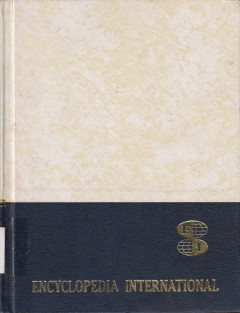
Encyclopedia International. Volume 12: Metropolis – Nevelson
Encyclopedia International, Volume 12 (Metropolis – Nevelson), is part of a multi-volume reference series published by Grolier Incorporated. This volume contains alphabetically arranged articles covering a wide spectrum of subjects, including history, science, culture, biography, geography, and major world concepts. Each entry is written by expert contributors and supported with cross-referen…
- Edisi
- 12
- ISBN/ISSN
- -
- Deskripsi Fisik
- 568 pages : illustration ; 26 cm
- Judul Seri
- -
- No. Panggil
- 031 GRO e
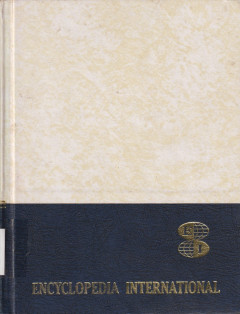
Encyclopedia international. Volume 13: Nevers – Pakistan
Encyclopedia International, Volume 13 (Nevers – Pakistan), is part of a comprehensive 20-volume reference set published by Grolier Incorporated. The encyclopedia provides authoritative, alphabetically arranged articles covering a broad range of subjects from geography, history, science, culture, and notable world topics. This volume includes entries beginning with “Nevers” through “Paki…
- Edisi
- 13
- ISBN/ISSN
- 0-7172-0706-4
- Deskripsi Fisik
- 576 pages : illustration ; 26 cm
- Judul Seri
- -
- No. Panggil
- 031 GRO e

International encyclopedia of the social sciences. Volume 15
Volume 15 of the International Encyclopedia of the Social Sciences continues the extensive scholarly exploration of major concepts, research traditions, and methodological developments across the social sciences. Edited by David L. Sills, this volume features authoritative articles contributed by leading scholars in sociology, anthropology, economics, political science, psychology, and related …
- Edisi
- 15
- ISBN/ISSN
- -
- Deskripsi Fisik
- 447 pages ; 26 cm
- Judul Seri
- -
- No. Panggil
- 303.03 SIL i

International encyclopedia of the social sciences: Biographical supplement (V…
Volume 18 of the International Encyclopedia of the Social Sciences is a biographical supplement providing detailed accounts of major figures whose work has significantly shaped the development of the social sciences. Edited by David L. Sills, the volume contains authoritative biographies written by specialists across sociology, anthropology, political science, economics, psychology, and related…
- Edisi
- 18
- ISBN/ISSN
- 0-02-895690-7
- Deskripsi Fisik
- xxxviii, 820 pages ; 26 cm
- Judul Seri
- -
- No. Panggil
- 303.092 SIL i
 Karya Umum
  Filsafat
  Agama
Agama  Ilmu-ilmu Sosial
  Bahasa
  Ilmu-ilmu Murni
  Ilmu-ilmu Terapan
  Kesenian, Hiburan, dan Olahraga
  Kesusastraan
  Geografi dan Sejarah