Ditapis dengan
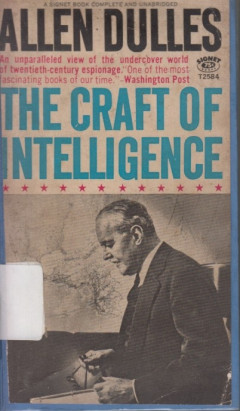
The Craft of intelligence
The Craft of Intelligence by Allen W. Dulles, former Director of the CIA, offers an authoritative overview of the development, methods, and importance of modern intelligence work. The book explains the principles of espionage, counterintelligence, intelligence analysis, and covert operations. Dulles also discusses historical intelligence cases, the role of intelligence in national security, and…
- Edisi
- -
- ISBN/ISSN
- -
- Deskripsi Fisik
- x, 256 pages : illustrations ; 18 cm
- Judul Seri
- -
- No. Panggil
- 355.343 DUL c
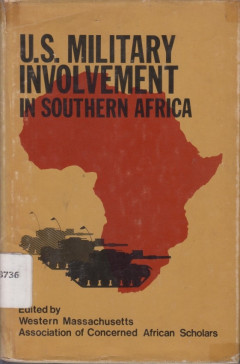
U.S. Military involvement in Southern Africa
U.S. Military Involvement in Southern Africa examines the political, strategic, and military dimensions of the United States' engagement in Southern Africa during the late 20th century. Compiled by the Western Massachusetts Association of Concerned African Scholars, the book analyzes Washington’s support for regional regimes, its Cold War motivations, and the broader geopolitical implications…
- Edisi
- -
- ISBN/ISSN
- -
- Deskripsi Fisik
- xii, 276 pages : illustrations ; 22 cm
- Judul Seri
- -
- No. Panggil
- 355.00968 WES u

U.S. Strategic interests in Southwest Asia
This book analyzes the strategic, geopolitical, and military interests of the United States in Southwest Asia during the early 1980s. Edited by Shirin Tahir-Kheli, it brings together expert essays and strategic assessments regarding U.S. security concerns, regional military balances, and the geopolitical significance of the Near East. The volume explores American foreign policy objectives, defe…
- Edisi
- -
- ISBN/ISSN
- 0-03-062043-0
- Deskripsi Fisik
- x, 230 pages ; 24 cm
- Judul Seri
- -
- No. Panggil
- 355.033056 KHE u
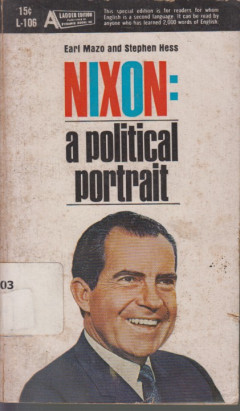
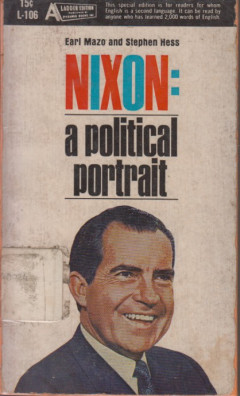
Nixon: A Political portrait
“Nixon: A Political Portrait” provides an accessible and concise account of the political rise of Richard Nixon. Written by journalists Earl Mazo and Stephen Hess, this abridged edition traces Nixon’s early career, his development as a national political figure, and the strategies that shaped his public image. Adapted for readers at a 2,000-word level, the book offers insights into Nixonâ…
- Edisi
- -
- ISBN/ISSN
- -
- Deskripsi Fisik
- 126 pages : illustrations ; 18 cm
- Judul Seri
- -
- No. Panggil
- 973.92 MAZ n
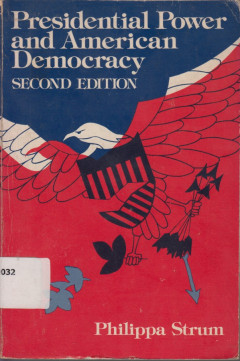
Presidential power and American cemocracy
This book examines the nature, limits, and evolution of presidential power within the framework of American democracy. Philippa Strum analyzes the constitutional foundations of executive authority, the historical development of presidential leadership, and the political dynamics that shape the balance of power between the president, Congress, and the judiciary. Through detailed discussion and c…
- Edisi
- -
- ISBN/ISSN
- 0-87620-719-0
- Deskripsi Fisik
- xiv, 184 pages ; 23 cm
- Judul Seri
- -
- No. Panggil
- 353.032 STR p
The Challenges we face
This book presents a collection of political speeches delivered by Richard M. Nixon, offering insights into the major domestic and international challenges faced by the United States during the early stages of the Cold War. Nixon discusses issues of national security, foreign policy, economic stability, and American leadership in global affairs. The volume reflects his perspectives on the respo…
- Edisi
- -
- ISBN/ISSN
- -
- Deskripsi Fisik
- 222 pages ; 17,5 cm
- Judul Seri
- -
- No. Panggil
- 973.92092 NIX c
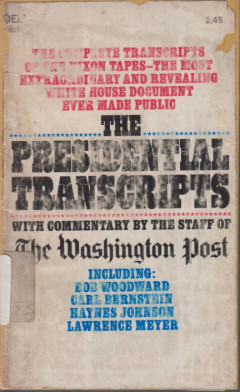
The Presidential transcripts
“The Presidential Transcripts” presents the complete published transcripts of conversations recorded in the White House during the Watergate scandal. Compiled and annotated by the staff of The Washington Post, the book provides essential insight into the political crisis that led to President Richard Nixon’s resignation. The transcripts reveal discussions on political strategy, attempts t…
- Edisi
- -
- ISBN/ISSN
- -
- Deskripsi Fisik
- xl, 693 pages ; 18 cm
- Judul Seri
- -
- No. Panggil
- 973.924 THE p
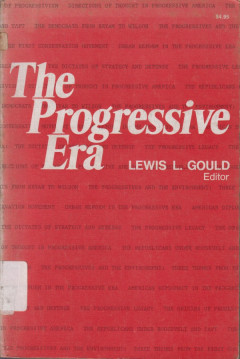
The Progressive era
This volume presents a comprehensive examination of the Progressive Era in the United States, a period marked by widespread political, social, and economic reform from the late nineteenth to early twentieth century. Edited by Lewis L. Gould, the collection brings together influential essays and analyses exploring the diverse motivations, leaders, and movements that shaped Progressive thought. I…
- Edisi
- -
- ISBN/ISSN
- 0-8156-2164-70-8156-2164-7
- Deskripsi Fisik
- x, 238 pages : illustrations ; 23 cm
- Judul Seri
- -
- No. Panggil
- 320.973 GOU p
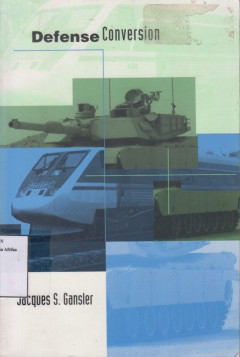
Defense conversion: Transforming the arsenal of democracy
Defense Conversion: Transforming the Arsenal of Democracy examines how the United States can shift its vast military-industrial infrastructure toward productive civilian uses after the Cold War. Jacques S. Gansler analyzes the challenges of converting defense-dependent industries, the economic impacts of reduced military spending, and the policy strategies needed to modernize America’s indust…
- Edisi
- -
- ISBN/ISSN
- 0-262-57116-1
- Deskripsi Fisik
- xiv, 277 pages : illustrations ; 23 cm
- Judul Seri
- -
- No. Panggil
- 338.476233 GAN d
Talleyrand
This book is a comprehensive biography of Charles Maurice de Talleyrand-Périgord, one of the most influential diplomats in French and European history. Duff Cooper describes Talleyrand's life journey from the French Revolution, through the Napoleonic era, to the Restoration of the monarchy. With a strong narrative style, this book highlights Talleyrand's political acumen, diplomatic strategy, …
- Edisi
- -
- ISBN/ISSN
- -
- Deskripsi Fisik
- 399 pages : illustration ; 22,5 cm
- Judul Seri
- -
- No. Panggil
- 920.71 COO t
 Karya Umum
  Filsafat
  Agama
Agama  Ilmu-ilmu Sosial
  Bahasa
  Ilmu-ilmu Murni
  Ilmu-ilmu Terapan
  Kesenian, Hiburan, dan Olahraga
  Kesusastraan
  Geografi dan Sejarah