Ditapis dengan

The Illustrated encyclopedia of mankind : Volume 13
The Illustrated Encyclopedia of Mankind, Volume 13, presents a comprehensive reference on world cultures, human societies, and anthropological studies. This volume contains detailed entries compiled and edited by leading scholars, offering insights into the diversity of human life across regions and historical periods. Designed as an accessible resource for students, researchers, and general re…
- Edisi
- 13
- ISBN/ISSN
- 0-86307-244-5
- Deskripsi Fisik
- 1741 pages : illustration ; 28 cm
- Judul Seri
- -
- No. Panggil
- 306.03 CAR i

The Illustrated encyclopedia of mankind: Volume 16
Volume 16 of The Illustrated Encyclopedia of Mankind offers comprehensive coverage of cultural, social, and anthropological studies from around the world. This volume presents expert-authored articles, visual illustrations, and thematic analyses dedicated to exploring human societies, cultural evolution, and social structures. Intended as an authoritative reference work, it provides valuable in…
- Edisi
- -
- ISBN/ISSN
- 0-86307-247-X
- Deskripsi Fisik
- v, 2137 pages : illustration ; 28 cm
- Judul Seri
- -
- No. Panggil
- 306.03 CRA i
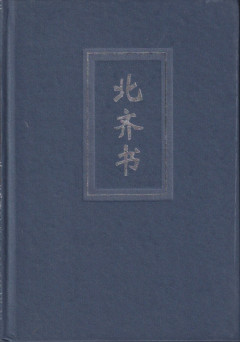
Bei Qi Shu
The Book of Northern Qi (Bei Qi Shu) is the official dynastic history of the Northern Qi dynasty, compiled by the Tang dynasty historian Li Baiyao. As one of the esteemed Twenty-Four Histories, the text preserves detailed accounts of political events, imperial biographies, institutional structures, and cultural developments of the short-lived yet influential Northern Qi state. This simplified-c…
- Edisi
- -
- ISBN/ISSN
- -
- Deskripsi Fisik
- 488 pages ; 21,5 cm
- Judul Seri
- -
- No. Panggil
- 931.02 BAI b

The Illustrated encyclopedia of mankind: Volume 15
Volume 15 of The Illustrated Encyclopedia of Mankind offers an in-depth survey of world cultures, human behavior, and anthropological research. This volume includes expert contributions, detailed illustrations, and thematic discussions that explore cultural diversity, social systems, and human adaptations across civilizations. Designed as a comprehensive reference work, it serves students, rese…
- Edisi
- 15
- ISBN/ISSN
- 0-86307-246-1
- Deskripsi Fisik
- vi, 1995 pages : illustration ; 28 cm
- Judul Seri
- -
- No. Panggil
- 306.03 CAR i

The Illustrated encyclopedia of mankind: Volume 14
Volume 14 of The Illustrated Encyclopedia of Mankind provides an extensive overview of human cultures, social structures, and anthropological knowledge. This reference work compiles scholarly contributions, thematic articles, and detailed illustrations that explore the diversity of human life across various regions of the world. Designed for students, researchers, and general readers, the encyc…
- Edisi
- -
- ISBN/ISSN
- 0-86307-245-3
- Deskripsi Fisik
- 1874 pages : illustration ; 28 cm
- Judul Seri
- -
- No. Panggil
- 306.03 CAR i
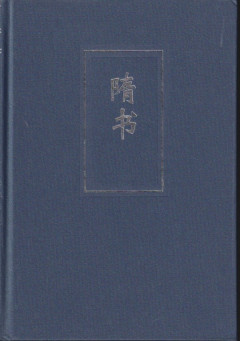
Sui Shu
The Book of Sui (Sui Shu) is the official dynastic history of the Sui dynasty, compiled by Wei Zheng during the early Tang dynasty. As one of the Twenty-Four Histories, it contains detailed accounts of imperial biographies, administrative structures, legal codes, culture, and foreign relations during the Sui period. The work also includes an extensive treatise section that greatly influenced la…
- Edisi
- -
- ISBN/ISSN
- -
- Deskripsi Fisik
- 612 pages ; 21,5 cm
- Judul Seri
- -
- No. Panggil
- 931.04 ZHE s

The Illustrated encyclopedia of mankind: Volume 10
The Illustrated Encyclopedia of Mankind, Volume 10, continues the comprehensive and authoritative survey of human cultures, societies, and anthropological research presented throughout the series. Edited by Richard Carlisle and Yvonne Deutch, this volume features in-depth articles, illustrations, and reference materials addressing ethnology, cultural development, social structures, and the dive…
- Edisi
- -
- ISBN/ISSN
- 0-86307-241-0
- Deskripsi Fisik
- 1330 pages : illustration ; 28 cm
- Judul Seri
- -
- No. Panggil
- 305.8003 CAR i

The Illustrated encyclopedia of mankind: Volume 12
The Illustrated Encyclopedia of Mankind, Volume 12, continues the series’ extensive and authoritative coverage of world cultures, human societies, and anthropological scholarship. Edited by Richard Carlisle and Yvonne Deutch, this volume presents comprehensive articles, illustrations, and reference materials that address ethnology, cultural development, social structure, and human diversity. …
- Edisi
- 12
- ISBN/ISSN
- 0-86307-243-7
- Deskripsi Fisik
- 1601 pages : illustration ; 28 cm
- Judul Seri
- -
- No. Panggil
- 305.8003 CAR i
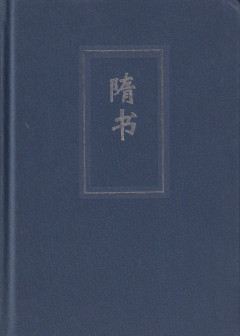
Sui Shu: Volume 3
The Book of Sui (Sui Shu) is the official historical record of the Sui dynasty (581–618), compiled during the early Tang dynasty by Wei Zheng and other court historians. As part of the Twenty-Four Histories, it provides essential accounts of emperors, government institutions, economy, law, culture, and foreign relations of the Sui empire. Volume 3 continues the historical narrative and biogra…
- Edisi
- -
- ISBN/ISSN
- -
- Deskripsi Fisik
- 1275 pages ; 21,5 cm
- Judul Seri
- -
- No. Panggil
- 931.04 ZHE s

The Illustrated encyclopedia of mankind: Volume 11
The Illustrated Encyclopedia of Mankind, Volume 11, continues the series’ comprehensive exploration of human societies, cultures, and anthropological studies. Edited by Richard Carlisle and Yvonne Deutch, this volume includes detailed articles, illustrations, and reference materials covering ethnology, cultural history, social structures, and global human diversity. With contributions from le…
- Edisi
- -
- ISBN/ISSN
- 0-86307-242-9
- Deskripsi Fisik
- 1466 pages : illustration ; 28 cm
- Judul Seri
- -
- No. Panggil
- 305.8003 CAR i
 Karya Umum
  Filsafat
  Agama
Agama  Ilmu-ilmu Sosial
  Bahasa
  Ilmu-ilmu Murni
  Ilmu-ilmu Terapan
  Kesenian, Hiburan, dan Olahraga
  Kesusastraan
  Geografi dan Sejarah