Ditapis dengan
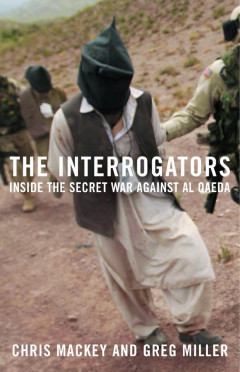
The Interrogators : Inside the secret war agains Al-Qaeda
More than 3,000 prisoners in the war on terrorism have been captured, held, and interrogated in Afghanistan alone. But no one knows what transpired in those interactions between prisoner and interrogator -- until now. In The Interrogators, Chris Mackey, the senior interrogator at Bagram Air Base and in Kandahar, where al-Qaeda and Taliban prisoners were first detained and questioned, lifts the…
- Edisi
- 1
- ISBN/ISSN
- 0-316-87112-5
- Deskripsi Fisik
- xxvii, 484 pages : ilustrations ; 25 cm
- Judul Seri
- -
- No. Panggil
- 958.1 MAC i
Korea and the fall of macarthur
“Korea and the Fall of MacArthur” explores the complex military, political, and diplomatic factors that led to General Douglas MacArthur’s removal from command during the Korean War. The book examines MacArthur’s bold strategies, his disagreements with the Truman administration, and his insistence on expanding the conflict beyond the Korean Peninsula. Higgins provides an analytical narr…
- Edisi
- -
- ISBN/ISSN
- -
- Deskripsi Fisik
- vii, 229 pages ; 20,5 cm
- Judul Seri
- -
- No. Panggil
- 951.9042 HIG k
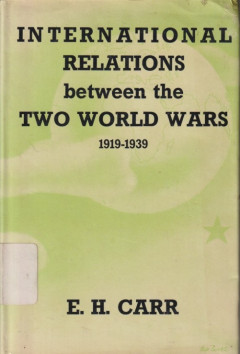
International relations between the two world wars 1919–1939
This book provides a comprehensive analysis of international relations during the interwar period from 1919 to 1939. E. H. Carr examines the political, economic, and diplomatic developments that shaped the fragile international order after World War I. The work discusses the consequences of the peace treaties, the rise of new power dynamics, and the failures of collective security leading to Wo…
- Edisi
- -
- ISBN/ISSN
- 0 333 08318 0
- Deskripsi Fisik
- viii, 302 pages : illustration ; 19 cm
- Judul Seri
- -
- No. Panggil
- 327.090 CAR i
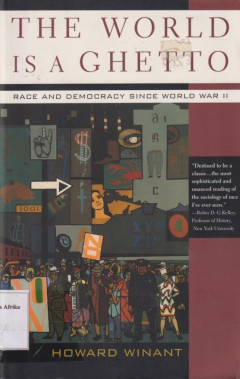
The World is a Ghetto: Race and democracy since World War II
This book examines the evolution of race and democracy in the global context since World War II. Howard Winant explores the transformation of racial politics, the rise of social movements, and the challenges posed by racial inequality in modern democratic societies. Through historical and comparative analysis, the author argues that race has become a central issue in contemporary global politic…
- Edisi
- -
- ISBN/ISSN
- 0-465-04340-2
- Deskripsi Fisik
- xvi, 428 pages ; 23 cm
- Judul Seri
- -
- No. Panggil
- 305.8 WIN w
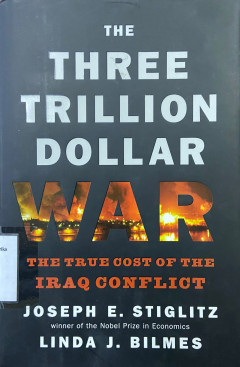
The Three Trillion Dollar War: The True Cost of the Iraq Conflict
The book analyzes the economic cost of the Iraq war, detailing the financial burden of the war on the United States, including military spending, future obligations, and the broader economic effects of the conflict.
- Edisi
- -
- ISBN/ISSN
- 978-0-393-06701-9
- Deskripsi Fisik
- xxiii, 311 pages ; 22 cm
- Judul Seri
- -
- No. Panggil
- 330.9567 STI j

The Soviet empire: Expansion & détente
The book The Soviet Empire: Expansion & Détente is one volume in the Critical Choices for Americans series, which discusses the development of Soviet foreign policy from the beginning of the Cold War to the mid-1970s. This work describes the dynamics of Soviet geopolitical expansion, whether through military influence, ideology, or intervention in various regions of the world. In addition, th…
- Edisi
- -
- ISBN/ISSN
- 0-669-00421-9
- Deskripsi Fisik
- xix, 417 pages ; 23,5 cm
- Judul Seri
- -
- No. Panggil
- 327.47 GRI s
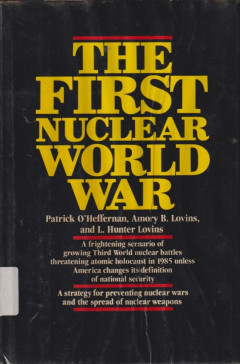
The First nuclear world war
The First Nuclear World War presents a strategic analysis aimed at preventing future nuclear conflicts and limiting the spread of nuclear weapons. Written by Patrick O’Heffernan, Amory B. Lovins, and L. Hunter Lovins, the book explores the political, military, and technological factors that shape global nuclear policy. It examines the dangers posed by nuclear proliferation, the risks of misca…
- Edisi
- -
- ISBN/ISSN
- 0-688-01589-1
- Deskripsi Fisik
- 444 pages ; 24 cm
- Judul Seri
- -
- No. Panggil
- 355.0217 OHE t
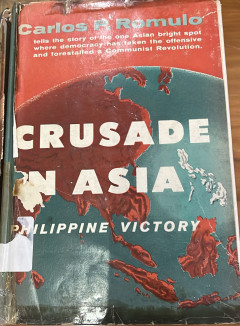
Crusade in Asia: Philippine victory
This book presents a firsthand political and historical account of the Philippines’ struggle and role in Asia during and after the Second World War. Written by Carlos P. Romulo, a prominent Filipino diplomat, soldier, and statesman, the work reflects on the broader Asian conflict against imperialism and totalitarianism, highlighting the Philippine experience as a symbol of democratic resistan…
- Edisi
- -
- ISBN/ISSN
- -
- Deskripsi Fisik
- 309 pages ; 21 cm
- Judul Seri
- -
- No. Panggil
- 959.904 ROM c
The Korean war
The Korean War by Kim Chum-kon provides a comprehensive overview of the political, military, and social dimensions of the 1950–1953 conflict that divided the Korean Peninsula. The book examines the origins of the war, the key battles between North and South Korean forces along with international involvement—particularly from the United States, China, and the United Nations Command. Kim high…
- Edisi
- -
- ISBN/ISSN
- -
- Deskripsi Fisik
- 831 pages : illustrations ; 21 cm
- Judul Seri
- -
- No. Panggil
- 951.9042 KIM k
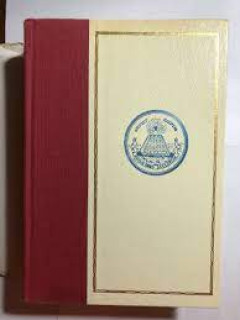
America enters the world: A people's history of the Progressive Era and Worl…
America Enters the World is Volume Seven of Page Smith’s multi-volume narrative history of the American people. This volume explores the United States during the Progressive Era and its entry into World War I. Smith examines political reforms, social movements, changing national identity, and the rise of American influence abroad. Through a detailed, story-driven approach, the book traces how…
- Edisi
- Volume 7
- ISBN/ISSN
- 0070585733
- Deskripsi Fisik
- xiii, 1089 pages : maps ; 24 cm
- Judul Seri
- -
- No. Panggil
- 973 SMI a
 Karya Umum
  Filsafat
  Agama
Agama  Ilmu-ilmu Sosial
  Bahasa
  Ilmu-ilmu Murni
  Ilmu-ilmu Terapan
  Kesenian, Hiburan, dan Olahraga
  Kesusastraan
  Geografi dan Sejarah