Text
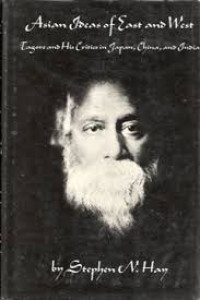
Asian ideas of east and west
After receiving the Nobel Prize for Literature in 1913, the Bengali poet-philosopher Raabindranath Tagore embarked on a series of lecture tours of Japan, China, and his native India. Tagore was convinced that a unique spirituality unified Asia and he attempted, un-successtully, to persuade Chinese and Japanese intellectuals to join India in realizing a common civilization. Although Tagore failed to effect a widespread pan-Asian movement, he stimulated much discussion among Asian thinkers and his ideas evoked responses from such men as Gandhi, Nehru, Iqbal, Sun Yat-sen, and the leaders of the Chinese Communist and Japanese ultranationalist movements.In this extensive comparative history Mr. Hay examines the lives and writings of eighty-four Chinese, Japanese, and Indian intellectuals as they responded to Tagore's message and thereby revealed their own extraordinarily diverse attitudes on indigenous cultural traditions, Asian unity,and Western civilization and imperialism. Using these writings, the author is able to present an unusual synoptic view of the main currents of Asian thought during the first third of the twentieth century, offering insights into some of the basic patterns and processes of intellectual change taking place in Asia, and by implication in other parts of the non-Western world, in modernTagore's role in this comprehensive study is catalytic —he serves as the stimulus for thought and commentary. Mr. Hay has arranged his chapters both chronologically and
Ketersediaan
| PMKAA00940 | 923.5 HAY a | Museum KAA (India) | Tersedia |
Informasi Detail
- Judul Seri
-
-
- No. Panggil
-
923.5 HAY a
- Penerbit
- London : Oxford University Press., 1970
- Deskripsi Fisik
-
480 pages : illustrations ; 24 cm
- Bahasa
-
English
- ISBN/ISSN
-
674-04975-6
- Klasifikasi
-
923.5
- Tipe Isi
-
-
- Tipe Media
-
-
- Tipe Pembawa
-
-
- Edisi
-
-
- Subjek
- Info Detail Spesifik
-
-
- Pernyataan Tanggungjawab
-
Stephen N. Hay
Versi lain/terkait
Tidak tersedia versi lain
Komentar
Anda harus masuk sebelum memberikan komentar
 Karya Umum
  Filsafat
  Agama
Agama  Ilmu-ilmu Sosial
  Bahasa
  Ilmu-ilmu Murni
  Ilmu-ilmu Terapan
  Kesenian, Hiburan, dan Olahraga
  Kesusastraan
  Geografi dan Sejarah