Text
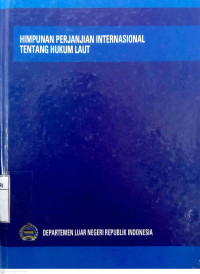
Himpunan perjanjian Internasional tentang hukum laut
Maritime law is an important field in international relations, regulating the use and exploitation of maritime areas and the resources therein. The set of international agreements on the law of the sea, especially the 1982 United Nations Convention on the Law of the Sea (UNCLOS), has broad implications and significance in the context of diplomacy, economics, the environment and global security. This abstract explains the various aspects covered in this set of international agreements. The implications of the law of the sea for diplomacy and international cooperation can be seen through the approach taken in UNCLOS. Principles such as freedom of navigation, the right of harmless passage, as well as exclusive economic zones and continental shelves, provide a framework that helps countries maintain stability and prevent conflict in international waters. This arrangement also facilitates dialogue and negotiation in controversies related to maritime boundaries and territorial claims. The collection of international agreements on the law of the sea, especially UNCLOS, has broad implications and significance in various aspects of international relations. From diplomacy to economics, the environment, and global security, the law of the sea provides a framework governing the interactions of states at sea and provides a basis for cooperation and conflict resolution. Therefore, understanding and applying the law of the sea is important in maintaining peace and sustainability at the global level.
Ketersediaan
| KEMLU 3063-2010 | 341.448 Ind h | Perpustakaan Diplomasi (Laws) | Tersedia |
Informasi Detail
- Judul Seri
-
-
- No. Panggil
-
341.448 Ind h
- Penerbit
- Jakarta : Departemen Luar Negeri., 2009
- Deskripsi Fisik
-
viii, 813 halaman.; 23 cm.
- Bahasa
-
English
- ISBN/ISSN
-
9789798476266
- Klasifikasi
-
341.448
- Tipe Isi
-
-
- Tipe Media
-
-
- Tipe Pembawa
-
-
- Edisi
-
-
- Subjek
- Info Detail Spesifik
-
-
- Pernyataan Tanggungjawab
-
Direktorat Jenderal Hukum dan Perjanjian Internasional
Versi lain/terkait
Tidak tersedia versi lain
Komentar
Anda harus masuk sebelum memberikan komentar
 Karya Umum
  Filsafat
  Agama
Agama  Ilmu-ilmu Sosial
  Bahasa
  Ilmu-ilmu Murni
  Ilmu-ilmu Terapan
  Kesenian, Hiburan, dan Olahraga
  Kesusastraan
  Geografi dan Sejarah