Ditapis dengan
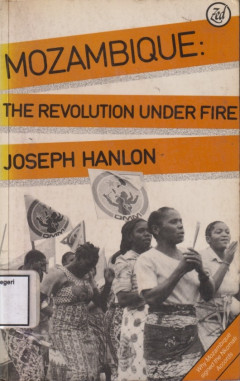
Mozambique: The Revolution under fire
Joseph Hanlon's Mozambique: The Revolution Under Fire is an in-depth analysis of Mozambique's political, social, and economic dynamics after independence from Portugal in 1975. Hanlon explores how the FRELIMO government attempted to build a socialist state amidst the formidable challenges of sabotage warfare, external intervention, and the foreign-backed RENAMO guerrilla conflict. Through field…
- Edisi
- -
- ISBN/ISSN
- 0-86232-245-6
- Deskripsi Fisik
- xii, 292 pages : illustration ; 21,5 cm
- Judul Seri
- -
- No. Panggil
- 967.905 JOS m
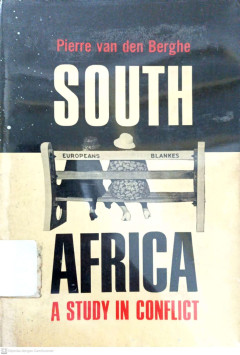
South Africa: A Study in conflict
This book is a scholarly study of the dynamics of social and political conflict in South Africa during the apartheid era. Pierre L. van den Berghe analyzes the historical factors, social structures, racial relations, and political tensions that shaped the conflict in the country. Using a sociological approach, the book explains the roots of division, the apartheid policy, and its impact on Sout…
- Edisi
- -
- ISBN/ISSN
- 520-01294-1
- Deskripsi Fisik
- x, 371 pages ; 20 cm
- Judul Seri
- -
- No. Panggil
- 968 BER s

The African patriots: The story of the African national congress of South Africa
Mary Benson's The African Patriots is a comprehensive history of the African National Congress (ANC), the oldest and most influential political organization in South Africa's liberation struggle. It explores the ANC's development since the early 20th century, its strategies for fighting colonialism and apartheid, and the roles of key figures in shaping the South African nationalist movement. Th…
- Edisi
- cet.2
- ISBN/ISSN
- -
- Deskripsi Fisik
- 310 pages; 22 cm
- Judul Seri
- -
- No. Panggil
- 960 BEN t
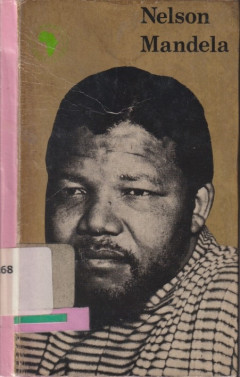
Nelson Mandela
Mary Benson's Nelson Mandela is a concise biography that chronicles Mandela's life from his childhood in the Transkei to his involvement in the struggle against apartheid. Written as part of the Panaf Great Lives series, it provides a clear overview of Mandela's family background, education, political activities, and pivotal role in the African National Congress (ANC). Coupled with the socio-po…
- Edisi
- -
- ISBN/ISSN
- 0-901787-17-5
- Deskripsi Fisik
- 192 pages : illustration ; 18 cm
- Judul Seri
- -
- No. Panggil
- 923.26 BEN n

No easy walk to freedom: Articles, speeches and trial addresses of Nelson Man…
No Easy Walk to Freedom is a collection of articles, speeches, and official statements by Nelson Mandela during his struggle against apartheid. It contains key texts reflecting Mandela's political thought, including his historic inquiry speech, his defense at the Rivonia trial, and a socio-political analysis of South Africa under apartheid. With a new foreword by Ruth First, the book provides a…
- Edisi
- -
- ISBN/ISSN
- 0-435-90123-0
- Deskripsi Fisik
- xiv, 189 pages : illustrations ; 18,5 cm
- Judul Seri
- -
- No. Panggil
- 923.26 MAN n
Le Togo
Le Togo provides a concise, authoritative overview of the Republic of Togo within the well-known French series Que sais-je?. Written by historian and colonial administrator Robert Cornevin, the book presents an introduction to Togo’s geography, ethnic composition, traditional societies, and pre-colonial history, followed by an analysis of German and French colonial rule. The updated 1973 edit…
- Edisi
- -
- ISBN/ISSN
- -
- Deskripsi Fisik
- 128 pages : illustration ; 17,5 cm
- Judul Seri
- -
- No. Panggil
- 966.81 ROB l

The World that made mandela: A Heritage trail
The World That Made Mandela is a visual and historical documentation of the significant places that shaped Nelson Mandela's life. Written by historian Luli Callinicos, the book presents a "heritage trail" that traces the social, cultural, and political environments that influenced Mandela from childhood through the anti-apartheid struggle. Through photographs, maps, and historical narratives, t…
- Edisi
- -
- ISBN/ISSN
- 1-919855-01-7
- Deskripsi Fisik
- 338 pages : illustration ; 29 cm
- Judul Seri
- -
- No. Panggil
- 968.06092 CAL w

Council of the elders: A Tribute to the veterans of the South African liberat…
Council of the Elders is a visual and documentary work that pays tribute to the veterans of South Africa's liberation struggle. Edited by Firdose Bulbulia and Faith Isiakpere, the book presents photographs, short biographies, and narratives documenting the contributions of those involved in the anti-apartheid struggle. Through a pictorial and narrative approach, the work highlights the long his…
- Edisi
- -
- ISBN/ISSN
- 978-3-3665-7-2
- Deskripsi Fisik
- illustration ; 30 cm
- Judul Seri
- -
- No. Panggil
- 968.06 BUL c

The New Zealand wars: A History of the Maori campaigns and the pioneering per…
This second volume continues James Cowan’s comprehensive history of the New Zealand Wars, focusing on the Hauhau movement and the conflicts that occurred between 1864 and 1872. It examines the rise of Pai Mārire religious militancy, major battles, key leaders, and the tensions between Maori communities and colonial forces. Through detailed narratives and firsthand accounts, the book document…
- Edisi
- 2
- ISBN/ISSN
- 0-477-01230-2
- Deskripsi Fisik
- xx, 633 pages : illustration ; 22,5 cm
- Judul Seri
- -
- No. Panggil
- 993.02 COW n

Long walk to freedom: The autobiography of Nelson Mandela
This book is the autobiography of Nelson Mandela, the first black former President of South Africa and also the first president elected through a general election. Written by the character himself, this book contains memories and experiences full of drama that shaped Nelson Mandela's personality. His life story is an epic story, full of continuous obstacles and difficulties until he finally suc…
- Edisi
- -
- ISBN/ISSN
- 0-316-87496-5
- Deskripsi Fisik
- ix, 630 pages : index ; 24 cm
- Judul Seri
- -
- No. Panggil
- 920 MAN l
 Karya Umum
  Filsafat
  Agama
Agama  Ilmu-ilmu Sosial
  Bahasa
  Ilmu-ilmu Murni
  Ilmu-ilmu Terapan
  Kesenian, Hiburan, dan Olahraga
  Kesusastraan
  Geografi dan Sejarah