Ditapis dengan
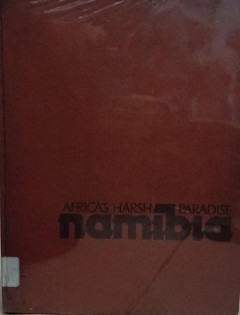
Africa’s harsh paradise: Namibia
Africa's Harsh Paradise: Namibia is a visual and narrative documentation of Namibia's landscape, biodiversity, and ecological conditions. Compiled by nature photographer Anthony Bannister and writer Peter Johnson, the book features high-quality photographs depicting Namibia's wildlife, deserts, coastlines, and protected areas. Supported by scientific literature and expert consultation, the book…
- Edisi
- -
- ISBN/ISSN
- 0-600-30446-9
- Deskripsi Fisik
- 250 pages : illustration ; 32,5 cm
- Judul Seri
- -
- No. Panggil
- 916.88 BAN a

Octobre: Algérie ‘88 un chahut de gamins…?
Octobre: Algérie ‘88 – Un chahut de gamins…? by Abed Charef is a journalistic and analytical account of the October 1988 uprising in Algeria, a pivotal event that marked the beginning of political liberalization and the collapse of the one-party system. The book explores the causes of the protests, the social and economic tensions affecting Algerian youth, and the violent government resp…
- Edisi
- second edition
- ISBN/ISSN
- -
- Deskripsi Fisik
- 270 pages : illustration ; 21,5 cm
- Judul Seri
- -
- No. Panggil
- 965.05 ABE o
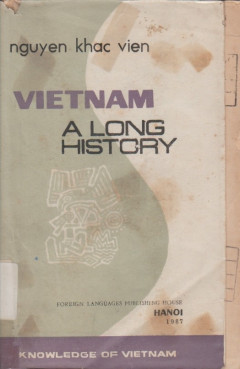
Vietnam: A Long history
Vietnam: A Long History presents a concise yet comprehensive overview of Vietnam’s historical development from its ancient origins to the modern era. Written by Nguyen Khac Vien, the book highlights major political, cultural, and social milestones that shaped the Vietnamese nation, including early kingdoms, Chinese domination, struggles for independence, dynastic periods, colonial rule, and t…
- Edisi
- -
- ISBN/ISSN
- -
- Deskripsi Fisik
- 402 pages : illustration ; 21 cm
- Judul Seri
- -
- No. Panggil
- 959.7 NGU v
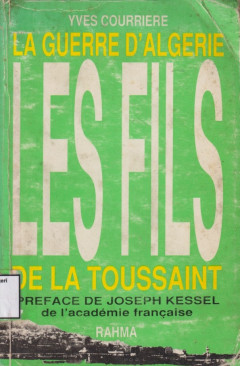
Les Fils de la Toussaint
Les Fils de la Toussaint is the first volume of Yves Courrière’s monumental series on the Algerian War. This book recounts the events surrounding the outbreak of the Algerian Revolution in 1954, beginning with the "Toussaint Rouge" uprising orchestrated by the FLN. Courrière combines investigative journalism, interviews, military accounts, and historical documentation to narrate the politic…
- Edisi
- -
- ISBN/ISSN
- -
- Deskripsi Fisik
- 483 pages : illustration ; 24 cm
- Judul Seri
- -
- No. Panggil
- 965.04 YVE l

An Account of the manners and customs of the modern Egyptians: Written in Egy…
An Account of the Manners and Customs of the Modern Egyptians is a classic ethnographic study by Edward William Lane, based on his direct observations during his stay in Egypt from 1833 to 1835. The book provides a detailed and comprehensive description of Egyptian society in the 19th century, covering social structure, daily life, religious practices, ceremonies, clothing, customs, education, …
- Edisi
- -
- ISBN/ISSN
- 0-85692-010-X
- Deskripsi Fisik
- 583 pages : illustration ; 21,5 cm
- Judul Seri
- -
- No. Panggil
- 962.02 LAN a
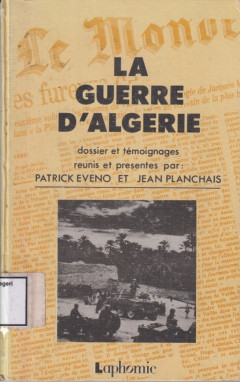
La Guerre d’algérie
This book presents a comprehensive dossier on the Algerian War of Independence, compiled and introduced by Patrick Éveno and Jean Planchais for Le Monde. It includes historical analyses, journalistic reports, and firsthand testimonies that document the political, social, and military dimensions of the conflict between France and the Algerian National Liberation Front (FLN). The volume provides…
- Edisi
- -
- ISBN/ISSN
- 2-7071-1863-X
- Deskripsi Fisik
- 425 pages : illustration ; 22 cm
- Judul Seri
- -
- No. Panggil
- 965.04 PAT l
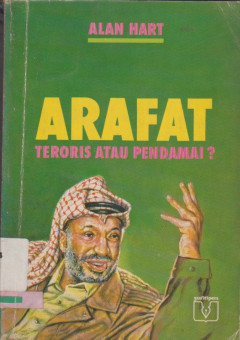
Arafat: Teroris atau pendamai?
Buku ini merupakan edisi terjemahan Indonesia dari karya Alan Hart yang mengulas perjalanan hidup Yasser Arafat, tokoh penting dalam perjuangan Palestina. Melalui riset mendalam dan wawancara langsung, Alan Hart menggambarkan kontroversi mengenai peran Arafat sebagai pemimpin: apakah ia seorang teroris atau seorang pendamai. Buku ini menelusuri latar belakang politik Timur Tengah, dinamika perj…
- Edisi
- -
- ISBN/ISSN
- 979-444-072-8
- Deskripsi Fisik
- xii, 551 pages : illustration ; 21 cm
- Judul Seri
- -
- No. Panggil
- 956.9405 HAR a
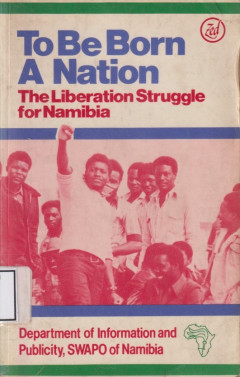
To be born a nation: The Liberation struggle for Namibia
To Be Born a Nation is a comprehensive documentation of Namibia's struggle for liberation from South African colonialism. Compiled by SWAPO's Information and Publicity Department, it details Namibia's political history, the roots of the conflict, the development of the resistance movement, and the diplomatic and military strategies pursued toward independence. Complete with maps, diagrams, and …
- Edisi
- -
- ISBN/ISSN
- 0-905762-73-8
- Deskripsi Fisik
- v, 354 pages : illustration ; 21,5 cm
- Judul Seri
- -
- No. Panggil
- 968.803 DEP b

The 30-Year War 1945–1975 (Volume II: 1954–1975)
The 30-Year War 1945–1975 (Volume II: 1954–1975) presents a detailed account of the political, military, and social developments in Vietnam during the period following the Geneva Agreement of 1954 up to the end of the Vietnam War in 1975. The volume examines the division of Vietnam, the escalation of conflict between North and South, foreign intervention, and the strategies employed by the …
- Edisi
- -
- ISBN/ISSN
- -
- Deskripsi Fisik
- viii, 311 pages : illustration ; 21 cm
- Judul Seri
- -
- No. Panggil
- 959.7042 TIM t
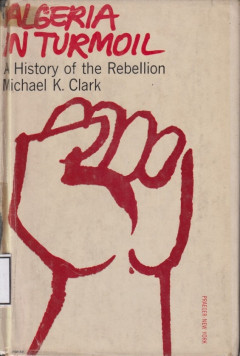
Algeria in turmoil: A History of the rebellion
This book provides an analytical narrative of the Algerian rebellion against French rule during the mid-twentieth century. Michael K. Clark examines the origins of the conflict, the political and social forces involved, and the evolution of the nationalist movement. Through detailed accounts of military actions, political negotiations, and the broader international context, the book presents a …
- Edisi
- First published
- ISBN/ISSN
- -
- Deskripsi Fisik
- xvi, 466 pages ; 21,5 cm
- Judul Seri
- -
- No. Panggil
- 965.04 MIC a
 Karya Umum
  Filsafat
  Agama
Agama  Ilmu-ilmu Sosial
  Bahasa
  Ilmu-ilmu Murni
  Ilmu-ilmu Terapan
  Kesenian, Hiburan, dan Olahraga
  Kesusastraan
  Geografi dan Sejarah