Ditapis dengan
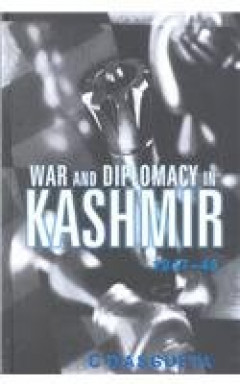
War and diplomacy in Kashmir, 1947-48
Kashmir is arguably one of the most contentious and complex issues in South Asia today. This book focuses on the genesis of the problem and examines the consequences of the often ignored fact that British officers commanded the armed forces of both India and Pakistan at that time.
- Edisi
- -
- ISBN/ISSN
- 0-7619-9589-7
- Deskripsi Fisik
- 219 pages; 21 cm
- Judul Seri
- -
- No. Panggil
- 954.6042 DAS w
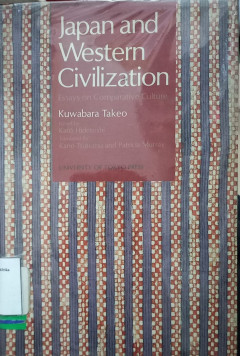
Japan and western civilization: Essays on comparative culture
Explores the historical, cultural, and intellectual interactions between Japan and the West. Through a series of essays, Kuwabara analyzes how Japanese society received, adapted, and reinterpreted Western ideas in fields such as philosophy, education, politics, and social organization. He highlights the contrasts between Japanese cultural traditions and Western rationalism, while emphasizing th…
- Edisi
- -
- ISBN/ISSN
- 0-86008-338-1
- Deskripsi Fisik
- xxviii, 202 pages ; 23,5 cm
- Judul Seri
- -
- No. Panggil
- 952 TAK j

The Siege of Mecca
On November 20, 1979, hundreds of Islamist militants led by Saudi preacher Juhayman al-Otaybi stormed and seized the Grand Mosque in Mecca, Islam’s holiest site, trapping tens of thousands of worshippers inside. The siege lasted two weeks and resulted in hundreds of deaths, in an event that was largely ignored by the global media at the time. Trofimov draws on newly declassified documents and…
- Edisi
- -
- ISBN/ISSN
- 978-0-385-51925-5
- Deskripsi Fisik
- x, 301 pages : iilustrations ; 24 cm
- Judul Seri
- -
- No. Panggil
- 953.053 TRO s
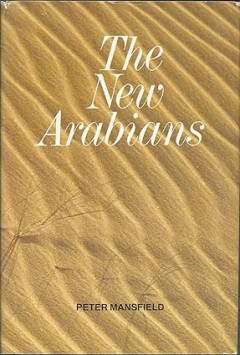
The New Arabians
Peter Mansfield's book, The New Arabians, examines the historical, cultural, religious, and social changes experienced by the people of Saudi Arabia, Kuwait, Bahrain, Qatar, and the United Arab Emirates. Mansfield highlights how the Gulf Arab states were previously overlooked by the West until the discovery of vast oil reserves in the region. The 1973 oil embargo brought global attention to the…
- Edisi
- 1
- ISBN/ISSN
- 0-385-17911-1
- Deskripsi Fisik
- ix, 274 pages : illustration ; 24 cm
- Judul Seri
- -
- No. Panggil
- 953.8 MAN n
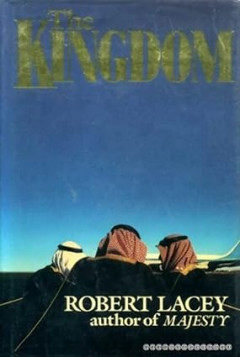
The Kingdom
The Kingdom is a vivid historical and sociopolitical portrait of Saudi Arabia, exploring the extraordinary rise and consolidation of the Al Saud family. Lacey traces how a once-nomadic clan transformed itself into a powerful monarchy, deeply rooted in Islamic tradition yet shaped by modern forces. Through detailed narrative, he examines the country’s religious foundations, tribal structures, …
- Edisi
- 1
- ISBN/ISSN
- 0-09-145790-4
- Deskripsi Fisik
- xi, 630 pages : illustration ; 24 cm
- Judul Seri
- -
- No. Panggil
- 953.805 LAC k

The House of Saud: The Rise and rule of the most powerful dynasty in the Ara…
The book provides a revealing account of the emergence and consolidation of the Saudi royal family as one of the most influential dynasties in the Middle East. It traces the historical roots of the House of Saud, their alliance with Wahhabi religious leaders, and their rise to power in the Arabian Peninsula. Through political analysis and investigative reporting, the book examines how the famil…
- Edisi
- -
- ISBN/ISSN
- 0-03-043731-8
- Deskripsi Fisik
- v, 569 pages ; 24 cm
- Judul Seri
- -
- No. Panggil
- 953.8 HOL h
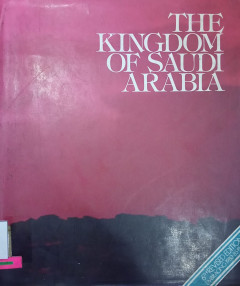
The Kingdom of Saudi Arabia
This book provides a comprehensive historical and cultural portrait of the Kingdom of Saudi Arabia. It explores the geography, cities, and tribal structure of the country, and examines the lives of its people from nomadic Bedouins to modern urban dwellers. The authors trace the rise of the House of Saud, detailing how the kingdom was founded and how key figures like Ibn Saud shaped its identity…
- Edisi
- -
- ISBN/ISSN
- 0-905743-28-8
- Deskripsi Fisik
- 256 pages : iilustrations ; 30 cm
- Judul Seri
- -
- No. Panggil
- 953.8 KLE k
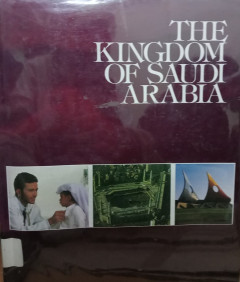
The Kingdom of Saudi Arabia
The Kingdom of Saudi Arabia by William Facey provides a concise and informative overview of the historical, cultural, and geographical foundations of Saudi Arabia. The book traces the development of the Arabian Peninsula from its early tribal society to the rise of the Saudi state, emphasizing the role of Islam, the unification under King Abdulaziz, and the transformative impact of oil discover…
- Edisi
- -
- ISBN/ISSN
- 0-905743-67-9
- Deskripsi Fisik
- 256 pages : iilustrations ; 30 cm
- Judul Seri
- -
- No. Panggil
- 953.8 FAC k

War and diplomacy in the Japanese empire
The development of Japan’s foreign policy and military strategy from the late nineteenth to the early twentieth century. Drawing on official documents and key political decisions, Takeuchi explains how Japan built its military power, expanded its influence in East Asia, and shaped diplomatic strategies closely tied to its imperial ambitions. The book highlights the interaction between the mil…
- Edisi
- -
- ISBN/ISSN
- -
- Deskripsi Fisik
- 503 pages ; 23,5 cm
- Judul Seri
- -
- No. Panggil
- 952 TAK w
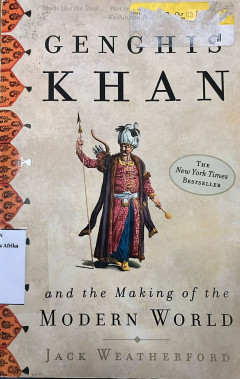
Genghis Khan and the making of the modern world
The Mongol army led by Genghis Khan subjugated more lands and people in twenty-five years than the Romans did in four hundred. In nearly every country the Mongols conquered, they brought an unprecedented rise in cultural communication, expanded trade, and a blossoming of civilization. Vastly more progressive than his European or Asian counterparts, Genghis Khan abolished torture, granted unive…
- Edisi
- -
- ISBN/ISSN
- 0-609-80964-4
- Deskripsi Fisik
- viii, 312 pages ; 20 cm
- Judul Seri
- -
- No. Panggil
- 950.1 WEA g
 Karya Umum
  Filsafat
  Agama
Agama  Ilmu-ilmu Sosial
  Bahasa
  Ilmu-ilmu Murni
  Ilmu-ilmu Terapan
  Kesenian, Hiburan, dan Olahraga
  Kesusastraan
  Geografi dan Sejarah