Ditapis dengan
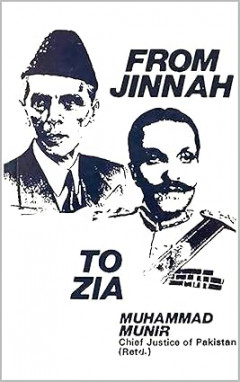
From jinnah to zia
This book concerned with a part of that history, namely, the ideological and geo¬graphical changes in Pakistan. Its aim is to show how from the Secularism of Quaid-i-Azam, Muhammad Ali Jinnah, the State has drafted into the hands of an orthodox element which claims that they will make Pakistan a totally Islamic State, as it was in the days of Nizam-i-Mustafa. There can be no doubt that Jinnah…
- Edisi
- Second Edition
- ISBN/ISSN
- -
- Deskripsi Fisik
- xx, 183 pages; 20 cm
- Judul Seri
- -
- No. Panggil
- 954.9205 MUN f

Kekuatan yang membisu: Kepribadian dan peranan Jepang
Membahas karakter, nilai, dan pola perilaku yang membentuk kepribadian bangsa Jepang serta pengaruhnya terhadap peranan Jepang dalam percaturan internasional. Melalui pengamatan sosial, budaya, dan sejarah, Lubis menyoroti disiplin, etos kerja, rasa tanggung jawab, serta struktur sosial yang mempengaruhi dinamika masyarakat Jepang modern. Buku ini juga menggambarkan bagaimana sifat-sifat terseb…
- Edisi
- -
- ISBN/ISSN
- -
- Deskripsi Fisik
- xiv, 227 pages ; 20 cm
- Judul Seri
- -
- No. Panggil
- 952 LUB k
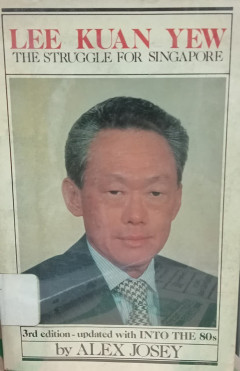
Lee Kuan Yew: The struggle for Singapore
Lee Kuan Yew: The Struggle for Singapore by Alex Josey presents the political journey of Lee Kuan Yew in leading Singapore through its most turbulent years. The book explores his determination to secure independence, build a stable government, and shape the nation’s identity. It highlights the challenges he faced, including political conflicts, foreign pressures, and internal divisions. Overa…
- Edisi
- 3
- ISBN/ISSN
- 0-207-14300-5
- Deskripsi Fisik
- xi, 345 pages : iilustrations ; 21 cm
- Judul Seri
- -
- No. Panggil
- 923.2597 JOS l
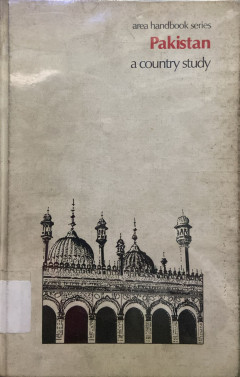
Pakistan: A Country study
Richard F. Nyrop's Pakistan: A Country Study (1983) is a comprehensive study of the geographic, social, political, economic, military, and cultural conditions of Pakistan in the early 1980s. The book is structured as an analytical report that provides a comprehensive overview of Pakistan's historical development from independence to the contemporary era. It examines the diverse social structur…
- Edisi
- -
- ISBN/ISSN
- -
- Deskripsi Fisik
- xvi, 453 pages: illustration; 24 cm
- Judul Seri
- -
- No. Panggil
- 954.910 NYR p

Burmese poltics: The Dilemma of national unity
The book Burma’s Struggle Against British Imperialism, 1885–1895 discusses the early phase of Burmese resistance after the fall of the Konbaung Dynasty and the British occupation of Upper Burma in 1885. This work traces how Burmese society—including the nobility, local leaders, monks, and peasant groups—responded to the drastic political changes that occurred during the early colonial p…
- Edisi
- -
- ISBN/ISSN
- 0-8135-0900-9
- Deskripsi Fisik
- xi, 263 pages ; 23 cm
- Judul Seri
- -
- No. Panggil
- 959.104 SIL b

Burma's struggle against British imperialism (1885-1895)
The book Burma’s Struggle Against British Imperialism, 1885–1895 by Ni Ni Myint presents an in-depth analysis of the early period of resistance to British colonialism in Burma after the annexation of Upper Burma in 1885. The author traces the background of the fall of the Konbaung Dynasty and the consequences of political restructuring, including armed resistance in various regions such as …
- Edisi
- -
- ISBN/ISSN
- -
- Deskripsi Fisik
- xv, 243 pages : illustrations ; 25 cm
- Judul Seri
- -
- No. Panggil
- 959.103 MYI b
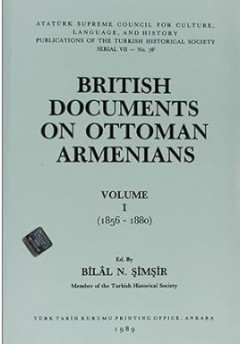
British documents on Ottoman Armenians
British Documents on Ottoman Armenians, Volume I: 1856–1880 by Bilal N. Şimşir presents a comprehensive collection of official British archival documents related to the situation of Armenians within the Ottoman Empire during the mid-19th century. The volume compiles diplomatic correspondence, consular reports, policy analyses, and communications that illuminate Britain’s perspective on th…
- Edisi
- -
- ISBN/ISSN
- -
- Deskripsi Fisik
- lxxiii, 767 pages : Ilustrations ; 24 cm
- Judul Seri
- Volume I
- No. Panggil
- 947 SIM b
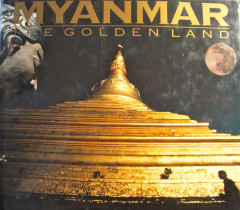
Myanmar : The Golden land
This book provides a comprehensive overview of Myanmar, covering its geography, social diversity, and cultural traditions that shape the country's identity. It begins with an introduction to Myanmar's history and general characteristics, followed by a discussion of its landscape, social life, and preserved traditions. The main section of the book explores important regions such as Mandalay and …
- Edisi
- -
- ISBN/ISSN
- -
- Deskripsi Fisik
- 114 pages : ilustrations ; 25 cm
- Judul Seri
- -
- No. Panggil
- 915.591 OHN m
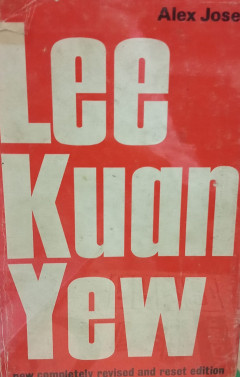
Lee Kuan Yew
This book by Alex Josey presents an insightful biography of Lee Kuan Yew, the founding father of modern Singapore. It traces his early life, education, and rise to political leadership during a critical period in Southeast Asian history. The author highlights Lee’s strategic vision, firm governance, and transformative policies that shaped Singapore into a stable and prosperous nation. Through…
- Edisi
- -
- ISBN/ISSN
- -
- Deskripsi Fisik
- vii, 647 pages ; 22,5 cm
- Judul Seri
- -
- No. Panggil
- 923.25957 JOS l
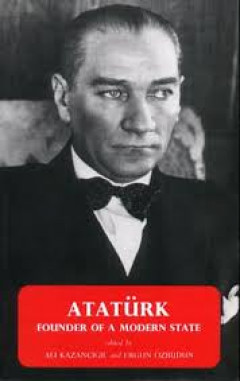
Ataturk: Founder of a modern state
Atatürk: Founder of a Modern State by Ali Kazancigil offers an analytical and insightful exploration of the leadership, political philosophy, and transformative vision of Mustafa Kemal Atatürk. The book examines Atatürk’s pivotal role in leading the Turkish War of Independence and dismantling the remnants of the Ottoman Empire to establish a secular, republican, and modern nation-state. Ka…
- Edisi
- -
- ISBN/ISSN
- 0-905838-67-x
- Deskripsi Fisik
- vi, 243 pages ; 22,3 cm
- Judul Seri
- -
- No. Panggil
- 923.2 KAZ a
 Karya Umum
  Filsafat
  Agama
Agama  Ilmu-ilmu Sosial
  Bahasa
  Ilmu-ilmu Murni
  Ilmu-ilmu Terapan
  Kesenian, Hiburan, dan Olahraga
  Kesusastraan
  Geografi dan Sejarah