Ditapis dengan
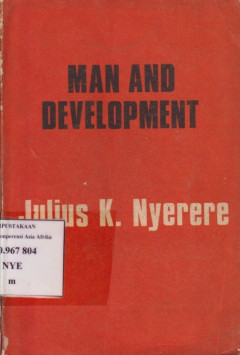
Man and development
Man and Development is a collection of essays by Julius K. Nyerere that examines the concept of human and social development as the foundation of Ujamaa ideology in Tanzania. The book emphasizes that development is not merely economic growth, but also the enhancement of human dignity, equitable distribution of prosperity, and social solidarity. Nyerere critiques the materialistic Western model …
- Edisi
- -
- ISBN/ISSN
- 0-19-644032-7
- Deskripsi Fisik
- vii, 125 pages ; 18,5 cm
- Judul Seri
- -
- No. Panggil
- 303.44 KAM m
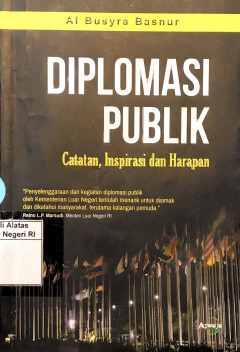
Diplomasi publik: Catatan, inspirasi dan harapan
Diplomasi publik adalah suatu pendekatan diplomasi yang melibatkan interaksi antara pemerintah suatu negara dengan masyarakat internasional secara langsung. Tujuan dari diplomasi publik adalah untuk membangun pemahaman, memperkuat hubungan, dan mempromosikan kepentingan nasional negara tersebut melalui komunikasi terbuka dan berbagai kegiatan budaya, pendidikan, serta kegiatan-kegiatan lain yan…
- Edisi
- -
- ISBN/ISSN
- 978-602-67333-13-9
- Deskripsi Fisik
- vii, 226 halaman : ilustrasi ; 21 cm
- Judul Seri
- -
- No. Panggil
- 327.2 BAS d
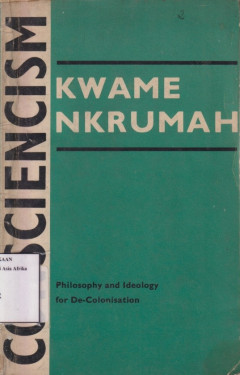
Consciencism: Philosophy and ideology for decolonisation
Consciencism is Kwame Nkrumah’s influential work on the philosophical foundations of African liberation and political transformation. In this book, Nkrumah outlines a comprehensive ideological system intended to guide newly independent African nations toward unity, social justice, and economic independence. He examines the cultural and historical forces that shaped modern Africa and argues fo…
- Edisi
- -
- ISBN/ISSN
- 901787-11-6
- Deskripsi Fisik
- vi, 122 pages ; 21,5 cm
- Judul Seri
- -
- No. Panggil
- 320.9609 KWA c
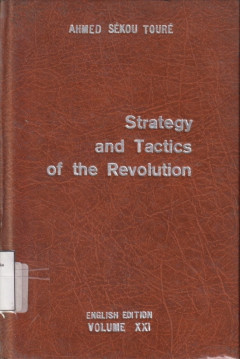
Strategy and tactics of the revolution
Strategy and Tactics of the Revolution is a collection of the political thoughts of Ahmed Sékou Touré, the first president of Guinea and one of the most important African revolutionaries of the 20th century. In this work, Touré outlines the ideological foundations, strategies, and methods of revolutionary struggle that must be implemented in the process of national liberation and postcolonia…
- Edisi
- -
- ISBN/ISSN
- -
- Deskripsi Fisik
- 465 pages ; 24 cm
- Judul Seri
- -
- No. Panggil
- 324.26652 TOU s
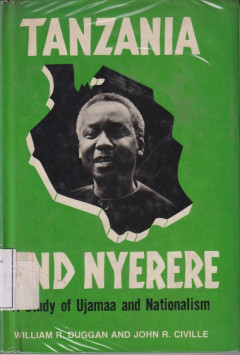
Tanzania and Nyerere: A Study of ujamaa and nationhood
Tanzania and Nyerere: A Study of Ujamaa and Nationhood provides an in-depth analysis of the Ujamaa idea developed by President Julius K. Nyerere as the ideological basis for Tanzanian national development. The authors—William Redman Duggan and John R. Civille—describe how Nyerere's version of African socialism was implemented in Tanzania's political, economic, and social policies. The book …
- Edisi
- -
- ISBN/ISSN
- 0-88344-475-5
- Deskripsi Fisik
- vi, 290 pages : illustration ; 23,5 cm
- Judul Seri
- -
- No. Panggil
- 320.9678 DUG t
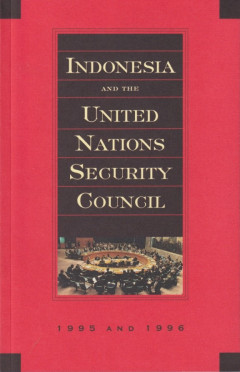
Indonesia and the united nations security council
This book is an official publication of the Permanent Mission of the Republic of Indonesia to the United Nations, documenting Indonesia's activities, roles, and contributions during its tenure as a non-permanent member of the UN Security Council in 1995 and 1996. It includes diplomatic reports, Indonesia's positions on various international security issues, session documentation, and photograph…
- Edisi
- -
- ISBN/ISSN
- -
- Deskripsi Fisik
- x, 198 pages : illustrations ; 22 cm
- Judul Seri
- -
- No. Panggil
- 341.23 WIS i
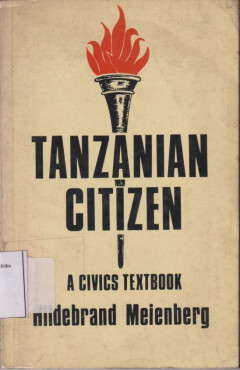
Tanzanian citizen: A Civics textbook
Hildebrand Meienberg's "Tanzanian Citizen: A Civics Textbook" is a civics textbook intended for Tanzanian students. It covers the fundamentals of being a Tanzanian citizen, including the rights and obligations of citizens, government structure, social organization, and the national values that underpin the nation's development. Published by Oxford University Press in 1966, this book becam…
- Edisi
- -
- ISBN/ISSN
- 0-19-6440327
- Deskripsi Fisik
- x, 337 pages : illustration ; 21,5 cm
- Judul Seri
- -
- No. Panggil
- 320.9678 MEI t
Nyerere on socialism
The book "Nyerere on Socialism" compiles the introduction and writings of President Julius K. Nyerere, previously published in two works: Freedom and Unity (1966) and Freedom and Socialism / Uhuru na Ujamaa (1968). This work contains an explanation of the concept of Ujamaa, the principles of African socialism, and Nyerere's political ideas in building postcolonial Tanzanian society. Through the…
- Edisi
- -
- ISBN/ISSN
- -
- Deskripsi Fisik
- vi, 58 pages ; 21 cm
- Judul Seri
- -
- No. Panggil
- 320.531 NYE n
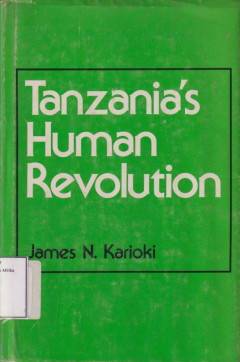
Tanzania's human revolution
This book analyzes the social, political, and economic changes in post-independence Tanzania, particularly through the human development policies initiated during the era of President Julius Nyerere. James N. Karioki evaluates the implementation of Ujamaa socialism, collective village development, and their impact on the country's social structure. In addition to discussing theory and policy, t…
- Edisi
- -
- ISBN/ISSN
- 0-271-00206-9
- Deskripsi Fisik
- 225 pages ; 23,5 cm
- Judul Seri
- -
- No. Panggil
- 309.1678 KAR t

Nation-building in Tanzania: Problems and issues
This book is a collection of articles discussing the challenges and issues of nation-building in Tanzania during the early years of independence. Edited by Anthony H. Rweyemamu, the book presents a multidisciplinary analysis by various experts on the political, economic, social, and administrative issues facing Tanzania. Contributors evaluate development strategies, economic planning, the moder…
- Edisi
- -
- ISBN/ISSN
- -
- Deskripsi Fisik
- 109 pages ; 22 cm
- Judul Seri
- -
- No. Panggil
- 320.9628 RWE n
 Karya Umum
  Filsafat
  Agama
Agama  Ilmu-ilmu Sosial
  Bahasa
  Ilmu-ilmu Murni
  Ilmu-ilmu Terapan
  Kesenian, Hiburan, dan Olahraga
  Kesusastraan
  Geografi dan Sejarah