Ditapis dengan

Bandoung: Tournant de l’Histoire (18 avril 1955)
This book by Arthur Conte provides a French analytical perspective on the Asian-African Conference held in Bandung on April 18, 1955. It examines the political climate of the Cold War, the rise of newly independent nations, and the significance of the Bandung meeting as a turning point in world history. Conte highlights the ideological debates, diplomatic tensions, and aspirations of Asian and …
- Edisi
- -
- ISBN/ISSN
- -
- Deskripsi Fisik
- 322 pages : illustrations ; 24 cm
- Judul Seri
- -
- No. Panggil
- 327.17 CON b

The Third world without superpowers: The Collected documents of the non-align…
This second volume of The Third World Without Superpowers continues the comprehensive compilation of official documents produced by the Non-Aligned Countries. It includes declarations, communiqués, policy statements, and meeting resolutions that reflect the collective diplomatic positions of developing nations during the Cold War. Edited by Odette Jankowitsch and Karl P. Sauvant, the volume pr…
- Edisi
- -
- ISBN/ISSN
- 0-379-00966-8
- Deskripsi Fisik
- xi, 1155 pages ; 26 cm
- Judul Seri
- -
- No. Panggil
- 327.09172 JAN t

Small power politics & international relations in South East Asia
This book provides an in-depth analysis of the political behavior, foreign policy strategies, and international relations of small states in Southeast Asia. Ralph Pettman explores how limited-power nations navigate regional dynamics, negotiate influence, and respond to the pressures of larger global actors. Through case studies and theoretical discussion, the book examines diplomatic patterns, …
- Edisi
- -
- ISBN/ISSN
- 003-900081-8
- Deskripsi Fisik
- 160 pages ; 21 cm
- Judul Seri
- -
- No. Panggil
- 327.159 PET s

Percikan pemikiran: Membangun jembatan emas persahabatan, solidaritas, dan ke…
Konferensi Asia Afrika telah mempercepat proses dekolonisasi kedua benua ini dan mempertebal rasa solidaritas negara bekas jajahan. Bandung Spirit "Semangat Bandung" telah memberi inspirasi dan membakar semangat rakyat di negara-negara benua Asia, Afrika, dan Amerika Latin, untuk membebaskan diri dari belenggu kolonialisme Dalam lima tahun setelah Konferensi Asia Afrika, 18 negara di Afrika, be…
- Edisi
- -
- ISBN/ISSN
- 9793838051
- Deskripsi Fisik
- 252 halaman ; 25 cm
- Judul Seri
- -
- No. Panggil
- 327.17 YUS p

The Third world without superpowers: The Collected documents of the non-align…
This volume is the first in a multi-volume collection presenting the official documents of the Non-Aligned Countries. It compiles declarations, resolutions, speeches, and policy statements that shaped the political identity and diplomatic strategies of the Non-Aligned Movement during the early decades of the Cold War. Edited by Odette Jankowitsch and Karl P. Sauvant, the book provides primary s…
- Edisi
- -
- ISBN/ISSN
- 0-379-00965-X
- Deskripsi Fisik
- ixvii, 521 pages ; 26 cm
- Judul Seri
- -
- No. Panggil
- 327.09172 JAN t

The Asian-African Conference: Bandung, Indonesia, April 1955
This book by George McTurnan Kahin presents a detailed account and analysis of the 1955 Asian-African Conference held in Bandung, Indonesia. It explores the political motivations, negotiations, and diplomatic dynamics among twenty-nine participating countries from Asia and Africa. Kahin provides historical context, evaluates the conference's role during the Cold War, and discusses its long-term…
- Edisi
- -
- ISBN/ISSN
- -
- Deskripsi Fisik
- vii, 88 pages ; 23 cm
- Judul Seri
- -
- No. Panggil
- 327.095 KAH a
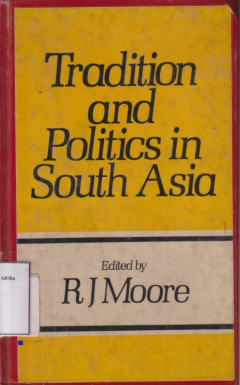
Tradition and politics in South Asia
This volume examines the complex interactions between political structures, traditional institutions, and cultural practices in South Asia. Edited by R. J. Moore, the book brings together scholarly essays that explore how historical traditions have shaped political behavior, governance, and social change across countries such as India, Pakistan, Bangladesh, and Sri Lanka. The work provides insi…
- Edisi
- -
- ISBN/ISSN
- 0-7069-0608-X
- Deskripsi Fisik
- xxii, 266 pages ; 21 cm
- Judul Seri
- -
- No. Panggil
- 320.954 MOO t

Nationalism, regionalism, and security: Problems in South-East Asia
This book presents a comprehensive analysis of nationalism, regionalism, and security issues in Southeast Asia, written by Dr. Roeslan Abdulgani. Based on the Sarojini Naidu Memorial Lectures, it explores the political dynamics of newly independent states, the challenges of regional cooperation, and the evolving security environment in the region. The author discusses the historical roots of So…
- Edisi
- -
- ISBN/ISSN
- -
- Deskripsi Fisik
- viii, 101 pages ; 22 cm
- Judul Seri
- -
- No. Panggil
- 320.954 ABD n
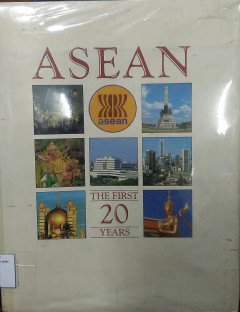
ASEAN: The First 20 years
This book presents a comprehensive overview of the establishment, growth, and achievements of the Association of Southeast Asian Nations (ASEAN) during its first two decades since its founding in 1967. It documents key political, economic, and socio-cultural developments, major agreements, ministerial meetings, and collaborative programs among member states. The publication highlights ASEAN’s…
- Edisi
- -
- ISBN/ISSN
- 9971-4-1053-2
- Deskripsi Fisik
- vii, 219 pages : illustrations ; 33 cm
- Judul Seri
- -
- No. Panggil
- 341.2473 ASE a
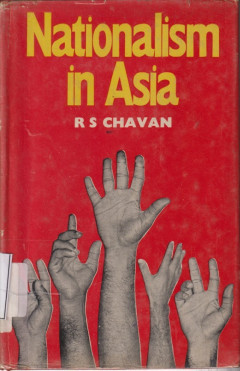
Nationalism in Asia
This book provides an analytical overview of the rise and development of nationalism in various regions of Asia. R. S. Chavan examines the historical roots, political dynamics, and socio-cultural forces that shaped nationalist movements across the continent. The work highlights key events, ideological influences, and regional variations that contributed to the formation of modern Asian nation-s…
- Edisi
- -
- ISBN/ISSN
- 0-7069-0608-X
- Deskripsi Fisik
- xvi, 595 pages ; 22 cm
- Judul Seri
- -
- No. Panggil
- 320.54095 CHA n
 Karya Umum
  Filsafat
  Agama
Agama  Ilmu-ilmu Sosial
  Bahasa
  Ilmu-ilmu Murni
  Ilmu-ilmu Terapan
  Kesenian, Hiburan, dan Olahraga
  Kesusastraan
  Geografi dan Sejarah