Ditapis dengan

Dialogue with Kissinger: The World toward the 21st century
This book presents a dialogue between Japanese journalist Junnosuke Kishida and former U.S. Secretary of State Henry Kissinger on the major political, economic, and strategic challenges facing the world as it approaches the twenty-first century. Through a series of in-depth conversations, the two discuss global power shifts, U.S.–Japan relations, security issues, and the future of internation…
- Edisi
- -
- ISBN/ISSN
- -
- Deskripsi Fisik
- 174 pages : illustrations ; 18 cm
- Judul Seri
- -
- No. Panggil
- 327.73 KIS d
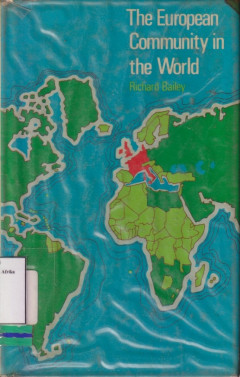
The European community in the world
This book provides an overview of the role of the European Community (EC) in international affairs during the early 1970s. Richard Bailey examines the political, economic, and diplomatic activities of the EC, its relations with major world powers, and its influence on global trade and development. The work discusses how the EC emerged as a new actor in world politics and evaluates its challenge…
- Edisi
- -
- ISBN/ISSN
- 0-09-118721-4
- Deskripsi Fisik
- 200 pages : illustration ; 22 cm
- Judul Seri
- -
- No. Panggil
- 337.14 BAI e
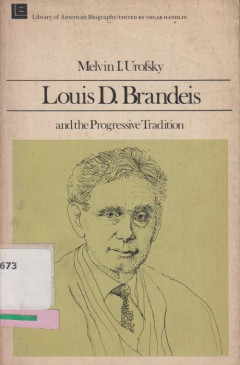
Louis D. Brandeis and the progressive tradition
This biography by Melvin I. Urofsky examines the life and judicial philosophy of Supreme Court Justice Louis D. Brandeis, one of the most influential figures in the American Progressive movement. The book explores Brandeis’s legal career, his advocacy for social and economic reform, and his lasting contributions to civil liberties, privacy rights, and democratic governance. Edited by Oscar Ha…
- Edisi
- -
- ISBN/ISSN
- 0-316-887889
- Deskripsi Fisik
- vi, 183 pages ; 19,5 cm
- Judul Seri
- -
- No. Panggil
- 347.7314092 URO l
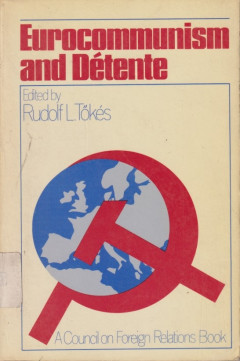
Eurocommunism and détente
Eurocommunism and Détente is a collection of analytical essays examining the rise of Eurocommunist movements in Western Europe and their impact on East–West relations during the 1970s. Edited by Rudolf L. Tőkés, the volume brings together contributions from leading scholars who assess the ideological divergence of Western Communist parties from Soviet orthodoxy, their attempts to redefine …
- Edisi
- -
- ISBN/ISSN
- 0-8147-8162-4
- Deskripsi Fisik
- x, 578 pages ; 21 cm
- Judul Seri
- -
- No. Panggil
- 335.43094 TOK e
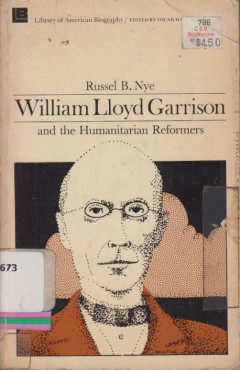
William Lloyd Garrison and the humanitarian reformers
This biography, written by Russel B. Nye and edited by Oscar Handlin, explores the life and influence of William Lloyd Garrison, one of the most prominent leaders of the American abolitionist movement. The book examines Garrison’s humanitarian ideals, his role in the fight against slavery, and his impact on broader social reform efforts in nineteenth-century America. Through detailed historic…
- Edisi
- -
- ISBN/ISSN
- -
- Deskripsi Fisik
- vi, 215 pages ; 20 cm
- Judul Seri
- -
- No. Panggil
- 326.8092 NYE w
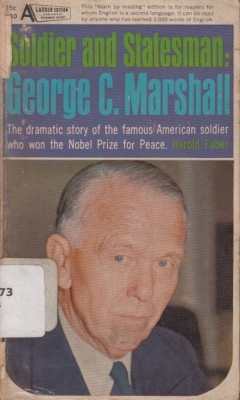
Soldier and statesman: George C. Marshall
This Ladder Edition introduces the life and achievements of George C. Marshall, one of the most influential American military leaders and statesmen of the twentieth century. Written by Harold Faber and adapted by Naomi Kisch, the book presents a simplified narrative highlighting Marshall’s military career, his leadership during World War II, and his pivotal diplomatic role in shaping the post…
- Edisi
- -
- ISBN/ISSN
- -
- Deskripsi Fisik
- 125 pages ; 18 cm
- Judul Seri
- -
- No. Panggil
- 355.0092 FAB s
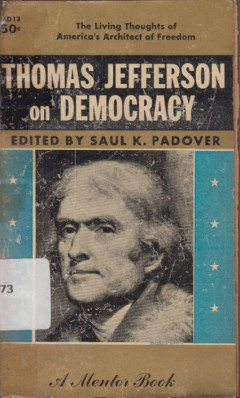
Thomas Jefferson on democracy
This book presents a selected collection of Thomas Jefferson’s writings on democracy, compiled and arranged by Saul K. Padover. It highlights Jefferson’s fundamental ideas on liberty, government, education, and the rights of citizens. The volume provides readers with an accessible overview of Jefferson’s political philosophy and his enduring influence on American democratic thought.
- Edisi
- -
- ISBN/ISSN
- -
- Deskripsi Fisik
- 186 pages ; 18 cm
- Judul Seri
- -
- No. Panggil
- 320.973 JEF t

The Secret conversations of Henry Kissinger: Step-by-step diplomacy in the Mi…
The book provides an inside account of Henry Kissinger’s diplomatic negotiations in the Middle East during the 1970s. Written by Israeli journalist Matti Golan and translated into English, it explores Kissinger’s step-by-step diplomatic strategy following the Yom Kippur War. The narrative reveals behind-the-scenes conversations, political tensions, and the complexity of U.S. involvement in …
- Edisi
- -
- ISBN/ISSN
- 0-553-02929-0
- Deskripsi Fisik
- 280 pages ; 18 cm
- Judul Seri
- -
- No. Panggil
- 327.73056 GOL s
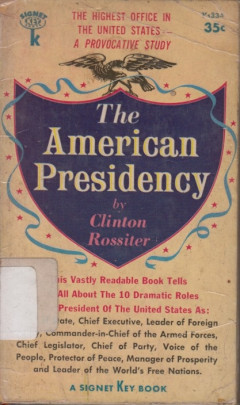
The American presidency
The book provides a readable and provocative study of the American presidency, explaining the ten dramatic roles of the President of the United States. Clinton Rossiter examines the president’s functions as head of state, chief executive, leader of foreign policy, commander-in-chief, chief legislator, party leader, and national voice. The work gives readers a clear understanding of presidenti…
- Edisi
- -
- ISBN/ISSN
- -
- Deskripsi Fisik
- 353 pages : illustrations ; 18 cm
- Judul Seri
- -
- No. Panggil
- 352.23 ROS a
European integration: From community to union
European Integration: From Community to Union by Martin Holland provides a comprehensive analysis of the evolution of European integration from the early European Community toward the formation of the European Union. The book examines institutional development, policy-making processes, major treaties, and political dynamics that shaped modern Europe. Holland discusses the shifting roles of memb…
- Edisi
- -
- ISBN/ISSN
- 1-85567-241-3
- Deskripsi Fisik
- 258 pages ; 23 cm
- Judul Seri
- -
- No. Panggil
- 341.2422 HOL e
 Karya Umum
  Filsafat
  Agama
Agama  Ilmu-ilmu Sosial
  Bahasa
  Ilmu-ilmu Murni
  Ilmu-ilmu Terapan
  Kesenian, Hiburan, dan Olahraga
  Kesusastraan
  Geografi dan Sejarah