Ditapis dengan

The next war zone: Confronting the global threat of cyberterrorism
An acclaimed correspondent and anti-terrorism expert delves into the massive digital realm, which is fraught with superviruses, monster worms, and zombies--all of which can be used for cyberwarfare, revealing the global struggle for control of the Internet and what the United States is doing to prevent this type of attack.
- Edisi
- Cet. 1
- ISBN/ISSN
- 0-8065-2413-8
- Deskripsi Fisik
- xiii, 303 pages : index ; 23 cm
- Judul Seri
- -
- No. Panggil
- 303.625 Dun n

Why terrorism works : Understanding the threat, responding to the challenge
The greatest danger facing the world today, says Alan M. Dershowitz, comes from religiously inspired, state sponsored terrorist groups that seek to develop weapons of mass destruction for use against civilian targets. In his newest book, Dershowitz argues passionately and persuasively that global terrorism is a phenomenon largely of our own making and that we must and can take steps to reduce t…
- Edisi
- -
- ISBN/ISSN
- 0-300-09766-2
- Deskripsi Fisik
- 271 pages : index ; 22 cm
- Judul Seri
- -
- No. Panggil
- 303.625 Der w
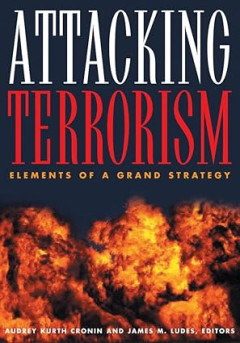
Attacking terrorism : Elements of a grand strategy
Attacking Terrorism brings together some of the world's finest experts, people who have made the study of this rising menace their life's work, to provide a comprehensive picture of the challenges and opportunities of the campaign against international terrorism. Part one, "The Nature of Terrorism," provides an overview and foundation for the current campaign, placing it within the political an…
- Edisi
- -
- ISBN/ISSN
- 0-87840-347-7
- Deskripsi Fisik
- viii, 320 pages : index ; 25 cm
- Judul Seri
- -
- No. Panggil
- 303.625 Cro a
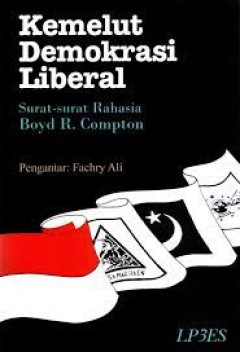
Kemelut demokrasi liberal: Surat-surat rahasia
Buku ini merupakan kompilasi surat-surat rahasia Compton yang ditulisnya selama masa lima puluhan, di mana merupakan masa "optimisme" bagi proses perwu-judan "demokrasi" di negeri ini. Pada masa itulah berbagai konflik internal, selain dalam rangka penyempurnaan konstruksi pemerintahan negara baru ini berlangsung, juga sewajarnya dilihat dalam perspektit rasa tanggung jawab akan nasib perkemban…
- Edisi
- -
- ISBN/ISSN
- 979-8015-81-9
- Deskripsi Fisik
- lxxi, 360 halaman ; 18 cm
- Judul Seri
- -
- No. Panggil
- 320.51 Com k

Enemy aliens: Double standards and constitutional freedoms in the war on terr…
When David Cole was first writing Enemy Aliens, in the immediate aftermath of 9/11, the anti-immigrant brand of American patriotism was at a fever pitch. Now, as the pendulum swings back, and court after court finds the Bush administration's tactics of secrecy and assumption of guilt unconstitutional, Cole's book stands as a prescient and critical indictment of the double standards we have appl…
- Edisi
- -
- ISBN/ISSN
- 1-56584-800-4
- Deskripsi Fisik
- xiii, 315 pages : index ; 21 cm
- Judul Seri
- -
- No. Panggil
- 303.625 Col e

Against all enemies: Inside America's war on terror
On the day of the meeting [September 4, 2001], Clarke sent Rice an impassioned personal note. He criticized U.S. counterterrorism efforts past and present. The 'real question' before the principals, he wrote, was 'are we serious about dealing with the al-Qida threat?...Is al-Qida a big deal?...Decision makers should imagine themselves on a future day when the CSG has not succeeded in stopping a…
- Edisi
- -
- ISBN/ISSN
- 0-7432-6024-4
- Deskripsi Fisik
- xiii, 304 pages : index ; 24 cm
- Judul Seri
- -
- No. Panggil
- 303.625 Cla a

Weapons of terror : Freeing the world of nuclear biological and chemical arms
In this report, the Independent Weapons of Mass Destruction Commission, chaired by Hands Blix, confronts this global challenge and presents 60 recommendations on what the world community-national governments and civil society-an and should do. Contents: 1. Reviving disarmament 2. Weapons of terror : threats and responses 3. Nuclear weapons 4. Biological and toxin weapons, etc.
- Edisi
- -
- ISBN/ISSN
- 91-38-22582-4
- Deskripsi Fisik
- 227 pages : index ; 24 cm
- Judul Seri
- -
- No. Panggil
- 303.625 Bli w

Root causes of terrorism: Myths, reality and ways forward
This team of international experts analyses the possibilities and limitations of preventing or reducing terrorism by addressing the factors that give rise to it and sustain it. The key questions raised include: * what are the main circumstances that provide preconditions for the emergence of various types of terrorism? * what are the typical precipitants that trigger terrorist campaigns? …
- Edisi
- Cet. 1
- ISBN/ISSN
- 0-415-35150-2
- Deskripsi Fisik
- xviii, 269 pages : illustrations (black and white) : index ; 23 cm
- Judul Seri
- -
- No. Panggil
- 303.625 Bjo r
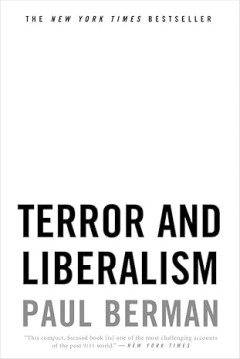
Terror and liberalism
One of our most brilliant public intellectuals, Paul Berman has spent his career writing on revolutionary movements and their totalitarian aspects. Here he argues that, in the terror war, we are not facing a battle of the West against Islam—a clash of civilizations. We are facing, instead, the same battle that tore apart Europe during most of the twentieth century, only in a new version. It i…
- Edisi
- Cet. 1
- ISBN/ISSN
- 0-393-32555-5
- Deskripsi Fisik
- xxi, 220 pages : index ; 21 cm
- Judul Seri
- -
- No. Panggil
- 303.625 Ber t

Before & after : US foreign policy and the war on terrorism
Before & After examines the role of US foreign policy in the terrorism/anti-terrorism crisis that began―publicly―with the attack on the World Trade Center, but which in fact has roots that began long before that September day. It dissects not only the specific Middle East policies long identified with public opposition in the region (for example: support for Israeli occupation of Palestinia…
- Edisi
- -
- ISBN/ISSN
- 1-56656- 462-X
- Deskripsi Fisik
- xvii, 246 pages : index ; 23 cm
- Judul Seri
- -
- No. Panggil
- 303.625 Ben b
 Karya Umum
  Filsafat
  Agama
Agama  Ilmu-ilmu Sosial
  Bahasa
  Ilmu-ilmu Murni
  Ilmu-ilmu Terapan
  Kesenian, Hiburan, dan Olahraga
  Kesusastraan
  Geografi dan Sejarah