Ditapis dengan

Syria: History and civilization – The Homs region and Its countryside
This book examines the historical and cultural development of the Homs region and its surrounding countryside within the broader context of Syrian civilization. It presents an overview of the area’s archaeological sites, architectural heritage, religious monuments, and historical significance from ancient to Islamic periods. Published under the supervision of the Syrian Ministry of Tourism, t…
- Edisi
- -
- ISBN/ISSN
- -
- Deskripsi Fisik
- 253 pages : Ilustrations ; 31 cm
- Judul Seri
- -
- No. Panggil
- 956.91 TIM s
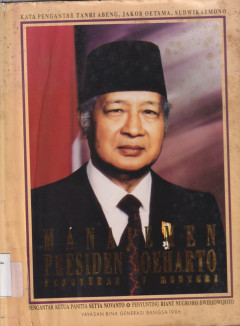
Manajemen Presiden Soeharto: Penuturan 17 menteri
Buku ini berisi penuturan dari 17 menteri yang pernah bekerja di bawah Presiden Soeharto mengenai gaya kepemimpinan, manajemen pemerintahan, dan dinamika pengambilan keputusan di era Orde Baru. Disunting oleh Riant Nugroho Dwidjowijoto, buku ini menyajikan pandangan langsung dari para pejabat tinggi negara mengenai koordinasi kabinet, kebijakan strategis, hubungan antara presiden dan menteri, s…
- Edisi
- -
- ISBN/ISSN
- 979-8629-01-9
- Deskripsi Fisik
- lxxvii, 198 halaman : ilustrasi ; 29,5 cm
- Judul Seri
- -
- No. Panggil
- 923.2598 DWI m
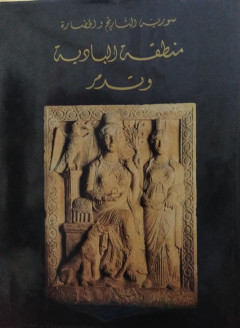
Syria: History and civilization – The Steppe region and palmyra
This book provides a comprehensive overview of Syria’s historical and cultural heritage, with a particular focus on the Steppe region (Badiya) and the ancient city of Palmyra (Tadmur). It explores the development of civilization in Syria from antiquity through various historical periods, highlighting the region’s archaeological significance, artistic achievements, and cultural interactions.…
- Edisi
- -
- ISBN/ISSN
- -
- Deskripsi Fisik
- 135 pages : Ilustrations ;31 cm
- Judul Seri
- -
- No. Panggil
- 956.91 TIM s
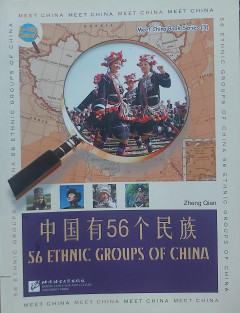
56 Ethnic groups of China
This book provides an overview of the fifty-six officially recognized ethnic groups of China, introducing their histories, cultural traditions, costumes, customs, and ways of life. Written by Zheng Qian, the work presents concise descriptions supported by photographs and maps to illustrate the diversity of China’s population. As part of the Meet China Book Series, this volume aims to enhance …
- Edisi
- 3
- ISBN/ISSN
- 978-7-5619-3449-4
- Deskripsi Fisik
- 67 pages : illustrations ; 24 cm
- Judul Seri
- Meet China Book Series
- No. Panggil
- 305.8951 QIA f
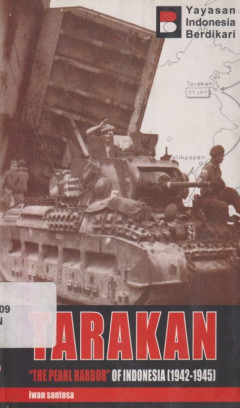
Tarakan: The Pearl harbor of Indonesia
Buku ini mengisahkan pertempuran Tarakan pada masa Perang Dunia II yang sering disebut sebagai “Pearl Harbor-nya Indonesia”. Iwan Santosa menggambarkan serangan Jepang ke Pulau Tarakan pada tahun 1942, konflik sengit yang terjadi, serta pentingnya Tarakan sebagai penghasil minyak yang menjadi target strategis. Melalui data sejarah, dokumen militer, dan kesaksian para saksi, buku ini menelus…
- Edisi
- -
- ISBN/ISSN
- 979-25-4240-X
- Deskripsi Fisik
- 192 halaman : ilustrasi ; 20 cm
- Judul Seri
- -
- No. Panggil
- 959.823 SAN t

Tantangan dan rongrongan terhadap keutuhan dan kesatuan Bangsa: Kasus PRRI
Buku ini membahas secara komprehensif gerakan PRRI (Pemerintahan Revolusioner Republik Indonesia) sebagai salah satu tantangan terbesar terhadap keutuhan dan kesatuan bangsa Indonesia pada akhir 1950-an. Melalui kajian dokumen, arsip, dan sumber sejarah lainnya, tim penulis dari Direktorat Sejarah dan Nilai Tradisional menguraikan latar belakang politik, tokoh-tokoh kunci, dinamika pemberontaka…
- Edisi
- -
- ISBN/ISSN
- -
- Deskripsi Fisik
- xviii, 273 halaman : ilustrasi ; 21 cm
- Judul Seri
- -
- No. Panggil
- 959.803 RAC t
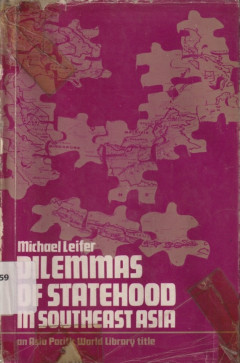
Dilemmas of statehood in Southeast Asia
This book examines the political dynamics and challenges of statehood in Southeast Asia during the post-colonial period. Michael Leifer highlights issues of state legitimacy, internal conflicts, interstate relations, and geopolitical developments in the region. This work provides an in-depth analysis of how Southeast Asian countries built political stability and national identity amidst complex…
- Edisi
- -
- ISBN/ISSN
- -
- Deskripsi Fisik
- xi, 161 halaman : ilustrasi ; 22 cm
- Judul Seri
- -
- No. Panggil
- 320.959 LEI d
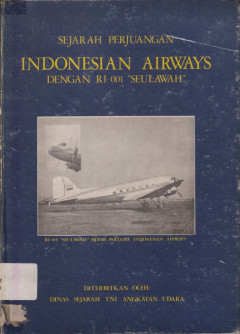
Sejarah perjuangan Indonesian Airways dengan RI-001 “Seulawah”
Buku ini memaparkan sejarah lahirnya Indonesian Airways melalui peran pesawat RI-001 “Seulawah”, pesawat pertama yang menjadi modal awal maskapai penerbangan Indonesia. Disusun oleh Dinas Sejarah TNI Angkatan Udara, buku ini menguraikan perjalanan pesawat Seulawah sejak pengadaannya melalui sumbangan rakyat Aceh, dukungannya terhadap diplomasi pemerintah RI, hingga kontribusinya bagi perjua…
- Edisi
- -
- ISBN/ISSN
- -
- Deskripsi Fisik
- viii, 79 halaman : ilustrasi ; 29 cm
- Judul Seri
- -
- No. Panggil
- 387.73609598 TNI s

Buku peringatan Taman-Siswa 30 tahun: 1922–1952
Buku ini diterbitkan sebagai buku peringatan 30 tahun berdirinya Taman-Siswa (1922–1952). Isinya memuat sejarah perkembangan Taman-Siswa sejak didirikan, asas perjuangan pendidikan nasional, perkembangan cabang-cabangnya di berbagai daerah, serta peranan Taman-Siswa dalam pembentukan pendidikan bangsa Indonesia. Buku ini juga menyajikan dokumentasi penting, tulisan tokoh-tokoh Taman-Siswa, se…
- Edisi
- -
- ISBN/ISSN
- -
- Deskripsi Fisik
- 365 halaman : ilustrasi ; 23,5 cm
- Judul Seri
- -
- No. Panggil
- 370.9598 TAM b
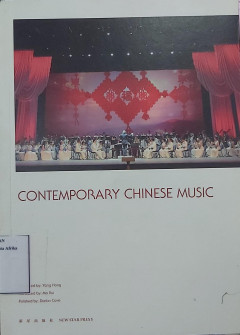
Contemporary music
This book examines the development of contemporary Chinese music, highlighting how traditional musical elements interact with modern composition, performance practices, and global influences. Edited by Yang Hong, the work presents an overview of China’s modern music scene, including orchestral works, contemporary compositions, and evolving musical aesthetics. The book provides insight into th…
- Edisi
- -
- ISBN/ISSN
- 978-7-5133-0687-4
- Deskripsi Fisik
- 279 pages : illustrations ; 23 cm
- Judul Seri
- -
- No. Panggil
- 781.64 HON c
 Karya Umum
  Filsafat
  Agama
Agama  Ilmu-ilmu Sosial
  Bahasa
  Ilmu-ilmu Murni
  Ilmu-ilmu Terapan
  Kesenian, Hiburan, dan Olahraga
  Kesusastraan
  Geografi dan Sejarah