Ditapis dengan
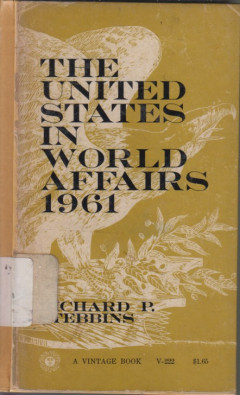
The United States in world affairs: 1961
The United States in World Affairs: 1961 provides an analytical survey of the major developments in American foreign policy during the year 1961. Authored by Richard P. Stebbins under the auspices of the Council on Foreign Relations, the book examines the political, diplomatic, and strategic challenges faced by the United States in the early Cold War era. It highlights key events such as shifti…
- Edisi
- -
- ISBN/ISSN
- -
- Deskripsi Fisik
- xi, 430 pages : illustrations ; 18,5 cm
- Judul Seri
- -
- No. Panggil
- 327.73 STE u
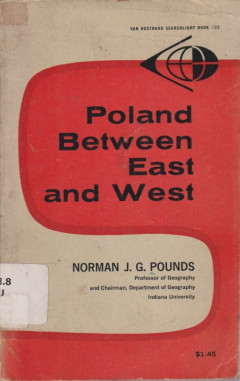
Poland between east and west
This book presents a comprehensive overview of Poland's geographic and geopolitical position as a country situated between the great powers of Eastern and Western Europe. Norman J. G. Pounds examines the history, socio-economic conditions, cultural influences, and political dynamics that shaped modern Polish identity. Part of the Searchlight Books series, this work aims to provide a concise yet…
- Edisi
- -
- ISBN/ISSN
- -
- Deskripsi Fisik
- 132 pages : illustration ; 20,5 cm
- Judul Seri
- -
- No. Panggil
- 943.8 POU p

Documenten betreffende de buitenlandse handelspolitiek van Nederland in de ne…
This book is the sixth volume in a series of official documents covering Dutch foreign trade policy in the 19th century. It contains the Dutch–British negotiations on the 1824 trade and shipping agreement, changes in Dutch shipping policy, and documents relating to the regulation of international trade up to 1870. Published with the assistance of the Dutch Ministry of Foreign Affairs, it is a…
- Edisi
- -
- ISBN/ISSN
- -
- Deskripsi Fisik
- xii, 438 pages ; 25,5 cm
- Judul Seri
- -
- No. Panggil
- 382.09492 POS d
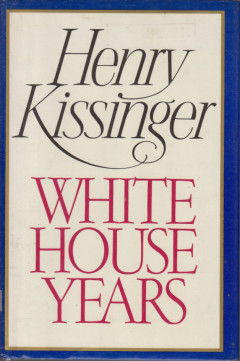
White house years
White House Years is Henry Kissinger’s detailed account of his early service as National Security Advisor during the Nixon administration. The book provides an insider perspective on the formulation of U.S. foreign policy from 1969 to 1974, covering major international events such as the Vietnam War negotiations, the opening to China, relations with the Soviet Union, and significant Middle Ea…
- Edisi
- -
- ISBN/ISSN
- -
- Deskripsi Fisik
- xxiv, 1521 pages : illustrations ; 24 cm
- Judul Seri
- -
- No. Panggil
- 327.73 KIS w
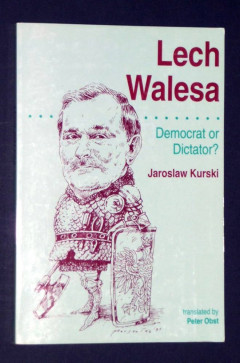
Lech Walesa: Democrat or dictator?
Drawing on his unique insider's perspective as press spokesman for Lech Walesa from October 1989 to July 1990, Jaroslaw Kurski has written the first critical, clear-eyed account of the Polish leader's personal and political style. During his time in Walesa's office, Kurski became acquainted with the many forces and ambitions which were unknown to the general. public that drove the Solidarity he…
- Edisi
- Cet. 1
- ISBN/ISSN
- 0-8133-1789-4
- Deskripsi Fisik
- xx, 178 pages : illustrations (black and white) ; 23 cm
- Judul Seri
- -
- No. Panggil
- 943.8 KUR l
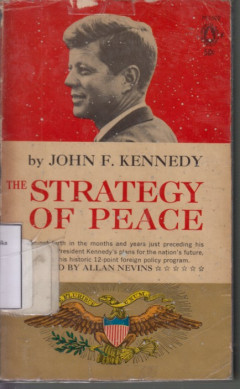
The Strategy of peace
“The Strategy of Peace” is a collection of speeches, statements, and policy essays by John F. Kennedy prior to his presidency, outlining his vision for American foreign policy in the Cold War era. The book emphasizes diplomatic leadership, nuclear responsibility, and the pursuit of global peace through international cooperation. Edited by historian Allan Nevins, the volume provides insight …
- Edisi
- -
- ISBN/ISSN
- -
- Deskripsi Fisik
- xxvi, 272 pages ; 17,5 cm
- Judul Seri
- -
- No. Panggil
- 327.73 KEN s

Ronde Tafel Conferentie te ’s-Gravenhage: Feiten en Documenten
This book contains a collection of facts and official documents related to the Round Table Conference (Ronde Tafel Conferentie) held in The Hague in 1949. The conference was a crucial negotiation between Indonesia and the Netherlands that resulted in the recognition of the sovereignty of the Republic of the United States of Indonesia. This book presents various official statements, reports, pro…
- Edisi
- -
- ISBN/ISSN
- -
- Deskripsi Fisik
- 174 pages : illustration ; 20 cm
- Judul Seri
- -
- No. Panggil
- 327.5982 SEC r
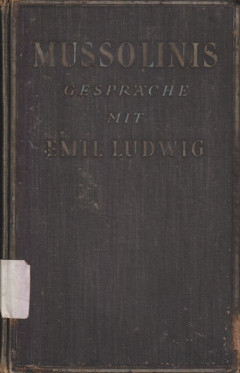
Mussolinis Gespräche mit Emil Ludwig
This book contains a series of conversations and in-depth interviews between renowned German journalist Emil Ludwig and Benito Mussolini, leader of Fascist Italy. Through open and often controversial dialogue, Ludwig reveals Mussolini's personal and political views on power, the state, war, humanity, and his ideological vision for the future of Italy. This book is an important primary source fo…
- Edisi
- -
- ISBN/ISSN
- -
- Deskripsi Fisik
- 231 pages : illustration ; 20,5 cm
- Judul Seri
- -
- No. Panggil
- 945.092 LUD m

The Brutal friendship: Mussolini, Hitler, and the Fall of Italian Fascism
This book is an in-depth study of the complex relationship between Benito Mussolini and Adolf Hitler, and how the alliance between these two totalitarian regimes contributed to the downfall of Italian Fascism. F. W. Deakin traces the development of the personal and political relationship between the two leaders, their failed military strategies, and the internal tensions within Mussolini's regi…
- Edisi
- -
- ISBN/ISSN
- -
- Deskripsi Fisik
- 574 pages ; 18 cm
- Judul Seri
- -
- No. Panggil
- 945.0915 DEA b

Contemporary cases in U.S. foreign policy: From Terrorism to trade
Contemporary Cases in U.S. Foreign Policy (Second Edition) provides an in-depth examination of key policy decisions shaping American foreign relations after the Cold War. Edited by Ralph G. Carter, the book brings together a series of case studies written by leading scholars, addressing issues such as counterterrorism, military intervention, international trade, global security, and diplomatic …
- Edisi
- -
- ISBN/ISSN
- 1-56802-897-0
- Deskripsi Fisik
- xxvii, 471 pages ; 23 cm
- Judul Seri
- -
- No. Panggil
- 327.73 CAR c
 Karya Umum
  Filsafat
  Agama
Agama  Ilmu-ilmu Sosial
  Bahasa
  Ilmu-ilmu Murni
  Ilmu-ilmu Terapan
  Kesenian, Hiburan, dan Olahraga
  Kesusastraan
  Geografi dan Sejarah