Ditapis dengan
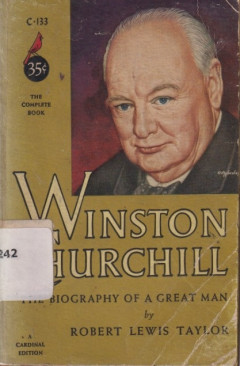
Winston Churchill; The Biography of a great man
This book is a popular biography of Winston Churchill written by Robert Lewis Taylor, a Pulitzer Prize-winning author. Through a lively narrative style, Taylor describes Churchill's life journey from his youth, military career, political career, to his role as the leader of Britain during World War II. This book presents a balanced portrait of Churchill's personal and professional life, highlig…
- Edisi
- -
- ISBN/ISSN
- -
- Deskripsi Fisik
- 405 pages ; 16 cm
- Judul Seri
- -
- No. Panggil
- 923.1 TAY w
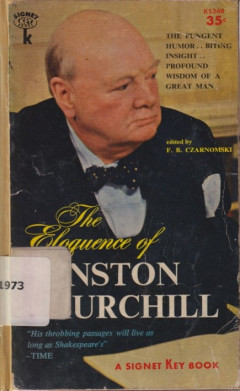
The Eloquence of Winston Churchill
This book is a collection of selected speeches by Winston Churchill, compiled and edited by F. B. Czarnomski. Through this compilation, readers can explore Churchill's rhetorical power and leadership in various political situations, especially during World War II and the period that followed. This collection showcases the language style, political vision, and decisiveness of a statesman known a…
- Edisi
- -
- ISBN/ISSN
- -
- Deskripsi Fisik
- xii, 200 pages ; 18 cm
- Judul Seri
- -
- No. Panggil
- 352.23092 CZA e
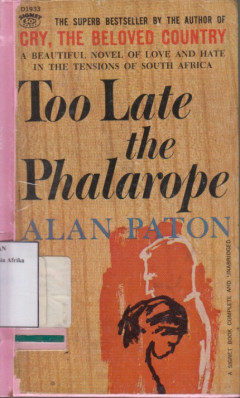
Too Late the phalarope
Too Late the Phalarope is a novel by South African writer Alan Paton that tells the tragic story of Pieter van Vlaanderen, a respected policeman whose life begins to collapse after he commits a forbidden act under apartheid law. Through themes of guilt, moral struggle, family pressure, and racial injustice, the novel portrays the destructive force of apartheid on individuals and society. Narrat…
- Edisi
- -
- ISBN/ISSN
- -
- Deskripsi Fisik
- 190 pages ; 18 cm
- Judul Seri
- -
- No. Panggil
- 823.914 PAT l
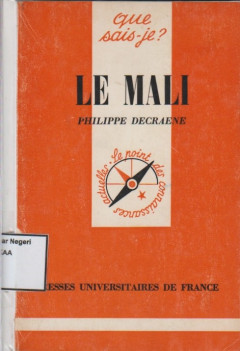
Le Mali
Le Mali by Philippe Decraene is a comprehensive introductory volume on the history, politics, and socio-cultural development of Mali. Published as part of the well-known French series Que sais-je?, the book provides an accessible yet scholarly overview of the country's evolution from pre-colonial times through independence and its early post-colonial trajectory. Decraene outlines Mali’s polit…
- Edisi
- -
- ISBN/ISSN
- 2-13-036432-2
- Deskripsi Fisik
- 127 pages ; 17,5 cm
- Judul Seri
- -
- No. Panggil
- 966.23 PHI l
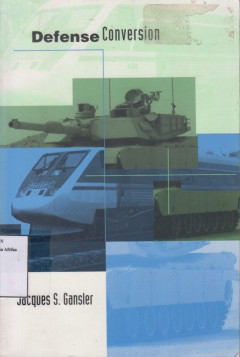
Defense conversion: Transforming the arsenal of democracy
Defense Conversion: Transforming the Arsenal of Democracy examines how the United States can shift its vast military-industrial infrastructure toward productive civilian uses after the Cold War. Jacques S. Gansler analyzes the challenges of converting defense-dependent industries, the economic impacts of reduced military spending, and the policy strategies needed to modernize America’s indust…
- Edisi
- -
- ISBN/ISSN
- 0-262-57116-1
- Deskripsi Fisik
- xiv, 277 pages : illustrations ; 23 cm
- Judul Seri
- -
- No. Panggil
- 338.476233 GAN d
Talleyrand
This book is a comprehensive biography of Charles Maurice de Talleyrand-Périgord, one of the most influential diplomats in French and European history. Duff Cooper describes Talleyrand's life journey from the French Revolution, through the Napoleonic era, to the Restoration of the monarchy. With a strong narrative style, this book highlights Talleyrand's political acumen, diplomatic strategy, …
- Edisi
- -
- ISBN/ISSN
- -
- Deskripsi Fisik
- 399 pages : illustration ; 22,5 cm
- Judul Seri
- -
- No. Panggil
- 920.71 COO t

Kegagalan CIA: Spionase amatiran sebuah negara adidaya
Kegagalan CIA adalah terjemahan dari Legacy of Ashes: The History of the CIA, karya jurnalis investigasi pemenang Pulitzer, Tim Weiner. Buku ini mengungkap sejarah panjang Central Intelligence Agency sejak berdirinya hingga abad ke-21, berdasarkan lebih dari 50.000 dokumen arsip dan ratusan wawancara dengan pejabat intelijen. Weiner menggambarkan bagaimana berbagai operasi CIA—mulai dari Pera…
- Edisi
- -
- ISBN/ISSN
- 978-979-22-3782-5
- Deskripsi Fisik
- xxiv, 832 halaman ; 23 cm
- Judul Seri
- -
- No. Panggil
- 327.1273 WEI k
In de greep van de Dzjoegdyr
This novel by Grigori Fedoseyev tells a dramatic and gripping story set in the harsh wilderness of Siberia. The narrative follows a group of explorers who find themselves trapped in the remote Dzjoegdyr region, where they must confront extreme weather, treacherous terrain, and the limits of human endurance. Fedoseyev draws on real experiences from Soviet expeditions, offering a vivid portrayal …
- Edisi
- -
- ISBN/ISSN
- -
- Deskripsi Fisik
- 461 pages : illustrations ; 20 cm
- Judul Seri
- -
- No. Panggil
- 891.734 FED i

Churchill, Hitler, and “The Unnecessary War”: How Britain lost its empire…
This book presents Patrick J. Buchanan's controversial analysis of how British political decisions in the run-up to World War II contributed to the outbreak of war and the collapse of Western global power. Buchanan highlights the role of Winston Churchill, British policy toward Germany, and a series of diplomatic errors that he believes made the war unnecessary. Using a historical and geopoliti…
- Edisi
- -
- ISBN/ISSN
- 978-0-307-33826-6
- Deskripsi Fisik
- xxi, 518 pages : illustration ; 24 cm
- Judul Seri
- -
- No. Panggil
- 940.531 BUC c
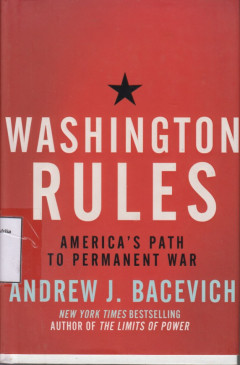
Washington rules: America’s path to permanent war
Washington Rules: America’s Path to Permanent War examines the long-standing foreign policy consensus that has shaped the United States’ global military posture since the mid-20th century. Andrew J. Bacevich argues that a deeply rooted set of strategic assumptions—maintained by political leaders, military institutions, and foreign-policy elites—has guided the nation toward continuous mi…
- Edisi
- -
- ISBN/ISSN
- 978-0-8050-9141-0
- Deskripsi Fisik
- 286 pages ; 22 cm
- Judul Seri
- -
- No. Panggil
- 355.033573 BAC w
 Karya Umum
  Filsafat
  Agama
Agama  Ilmu-ilmu Sosial
  Bahasa
  Ilmu-ilmu Murni
  Ilmu-ilmu Terapan
  Kesenian, Hiburan, dan Olahraga
  Kesusastraan
  Geografi dan Sejarah