Ditapis dengan
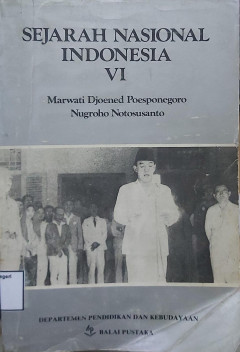
Sejarah nasional Indonesia. Jilid VI
Jilid VI dari Sejarah Nasional Indonesia membahas periode penting kebangkitan nasional pada awal abad ke-20, termasuk munculnya organisasi modern seperti Budi Utomo, Sarekat Islam, Indische Partij, serta perkembangan gerakan politik, pendidikan, dan sosial yang membentuk identitas kebangsaan Indonesia. Buku ini juga menguraikan kebijakan kolonial Belanda, dinamika pergerakan rakyat, hingga situ…
- Edisi
- -
- ISBN/ISSN
- 979–407–412–8
- Deskripsi Fisik
- xxvi, 660 halaman : ilustrasi ; 23 cm
- Judul Seri
- -
- No. Panggil
- 959.804 POE s

Memoires over de tweede wereldoorlog: De Keer der fortuin – Afrika teruggew…
This book is one volume in Winston Churchill's series of memoirs on World War II in Dutch. De Keer der Fortuin – Afrika teruggewonnen (The Turning of the Tide – Africa Regained) discusses the crucial period when Allied forces successfully recaptured North Africa from the Axis powers. Churchill outlines the military strategy, the major battles against Rommel's German Afrika Korps, and the im…
- Edisi
- -
- ISBN/ISSN
- -
- Deskripsi Fisik
- 581 pages : illustration ; 22,5 cm
- Judul Seri
- -
- No. Panggil
- 940.5424 CHU m

Kematian sosialisme di Eropa: Refleksi revolusi tahun 1989
Buku Kematian Sosialisme di Eropa: Refleksi Revolusi Tahun 1989 karya Ralf Dahrendorf membahas runtuhnya sosialisme di Eropa, khususnya melalui peristiwa revolusi tahun 1989 yang mengubah tatanan politik Eropa Timur. Dahrendorf menganalisis faktor-faktor yang menyebabkan kegagalan sosialisme sebagai sistem politik dan sosial, serta bagaimana perubahan besar tersebut membentuk kembali arah polit…
- Edisi
- -
- ISBN/ISSN
- 979-8120-43-4
- Deskripsi Fisik
- vii, 160 pages ; 19 cm
- Judul Seri
- -
- No. Panggil
- 320.53 DAH k
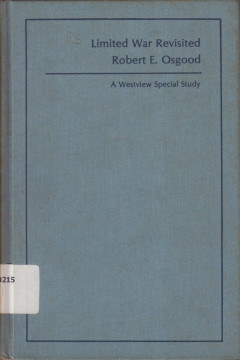
Limited war revisited
Limited War Revisited examines the strategic concept of limited war in the context of U.S. military and foreign policy during the 20th century. Robert E. Osgood analyzes how limited war became a central component of American military doctrine, especially during the Cold War era, when nuclear constraints required policymakers to pursue controlled, non-escalatory conflict strategies. This study p…
- Edisi
- -
- ISBN/ISSN
- 0-89158-465-X
- Deskripsi Fisik
- xiii, 124 pages ; 23,5 cm
- Judul Seri
- -
- No. Panggil
- 355.0215 OSG l

Memoires over de Tweede Wereldoorlog: De Grote Alliantie – Amerika in de oo…
This book is one volume of Winston Churchill's memoir series on World War II, in a Dutch translation. In De Grote Alliantie – Amerika in de oorlog (The Great Alliance – America in the War), Churchill discusses the United States' entry into World War II and its role in forming a grand alliance with Britain and other Allied nations. Through official documents, political analysis, and his pers…
- Edisi
- -
- ISBN/ISSN
- -
- Deskripsi Fisik
- 511 pages : illustration ; 22,5 cm
- Judul Seri
- -
- No. Panggil
- 940.5423 CHU m
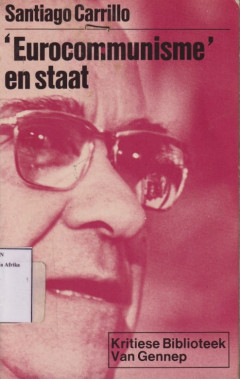
Eurocommunisme en staat
Eurocommunisme en staat is a Dutch translation of Santiago Carrillo's work discussing the development of eurocommunism as a new form of communist movement in Western Europe in the 1970s. This book describes how communist parties in various European countries tried to adapt the principles of communism to the reality of democratic politics, as well as how they viewed the role of the state, power …
- Edisi
- -
- ISBN/ISSN
- 90 6012 363 8
- Deskripsi Fisik
- 197 pages ; 20 cm
- Judul Seri
- -
- No. Panggil
- 335.43 CAR e
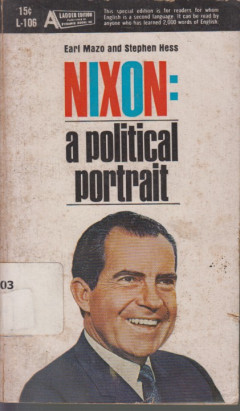
Nixon: A Political portrait
“Nixon: A Political Portrait” provides an accessible and concise account of the political rise of Richard Nixon. Written by journalists Earl Mazo and Stephen Hess, this abridged edition traces Nixon’s early career, his development as a national political figure, and the strategies that shaped his public image. Adapted for readers at a 2,000-word level, the book offers insights into Nixonâ…
- Edisi
- -
- ISBN/ISSN
- -
- Deskripsi Fisik
- 126 pages : illustrations ; 18 cm
- Judul Seri
- -
- No. Panggil
- 973.92 MAZ n

Memoires over de tweede wereldoorlog: De grote alliantie – Duitsland dringt…
This book is one volume of Winston Churchill's memoirs about World War II in Dutch. De Grote Alliantie (The Great Alliance) discusses the crucial phase when Germany launched a major offensive towards the East, initiating one of the most intense campaigns in modern military history. Churchill describes the political and military situation at the time, the movement of German troops towards Soviet…
- Edisi
- -
- ISBN/ISSN
- -
- Deskripsi Fisik
- 515 pages : illustration ; 22,5 cm
- Judul Seri
- -
- No. Panggil
- 940.5421 CHU m
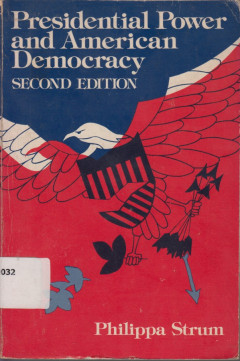
Presidential power and American cemocracy
This book examines the nature, limits, and evolution of presidential power within the framework of American democracy. Philippa Strum analyzes the constitutional foundations of executive authority, the historical development of presidential leadership, and the political dynamics that shape the balance of power between the president, Congress, and the judiciary. Through detailed discussion and c…
- Edisi
- -
- ISBN/ISSN
- 0-87620-719-0
- Deskripsi Fisik
- xiv, 184 pages ; 23 cm
- Judul Seri
- -
- No. Panggil
- 353.032 STR p
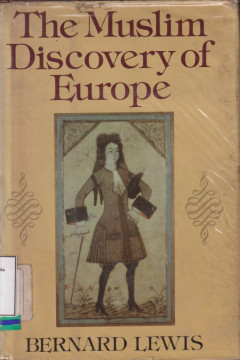
The Muslim discovery of Europe
The Muslim Discovery of Europe by Bernard Lewis explores how the Islamic world perceived, encountered, and interacted with Europe from the Middle Ages to the modern era. Drawing from historical texts, travel accounts, diplomatic records, and cultural writings, Lewis analyzes how Muslims viewed European society, politics, science, and culture. The book highlights the changing dynamics of East–…
- Edisi
- -
- ISBN/ISSN
- 0-393-01529-7
- Deskripsi Fisik
- 350 pages : illustration ; 24 cm
- Judul Seri
- -
- No. Panggil
- 303.482 LEW m
 Karya Umum
  Filsafat
  Agama
Agama  Ilmu-ilmu Sosial
  Bahasa
  Ilmu-ilmu Murni
  Ilmu-ilmu Terapan
  Kesenian, Hiburan, dan Olahraga
  Kesusastraan
  Geografi dan Sejarah